Top Ways Digital Health Helps Deal With Anxiety
Anxiety is exhausting. With a little patience and research we’re sure everyone can find the right digital health tech or method for alleviating this issue. We’re here to help.

7 min |
Saying ‘calm down’ totally calmed me down, thank you so much – said no one ever. Just like in the case of anger- suggesting taking it easy doesn’t help people suffering from anxiety either. It can even make people feel more separated and lonelier than before. They may feel their loved ones don’t understand them and that’s a stress factor for everyone. So, is there a better, modern way to manage anxiety? This would be a short and sad article if there wasn’t – so here is the good news: there sure is…

Let’s see some facts
Anxiety is often seen as the bad guy, but it can come in handy sometimes. Procrastinators wouldn’t be able to finish a project without it and the stress reaction behind it can enhance our physical and intellectual abilities. Facilitative anxiety may still feel bad, but can help us perform better on a test, while debilitative anxiety is the reason why some people freeze up in stressful situations. Words connected to anxiety are tossed around a lot nowadays. It’s normal to feel a bit confused every now and then, so let’s talk about this a bit more.
As we mentioned earlier, anxiety, can be totally normal and ordinary. A date, an important meeting or an exam can make us all feel worried and uncertain. In addition to signaling some kind of danger, it can even help us tackle problems faster. But when it disrupts our daily life and disables us to act and feel as ourselves is when it’s considered to be a disorder. It’s annoying to say the least. And a lot of people experience a few episodes in their lifetime. In fact, statistics say anxiety disorders are the most common mental illnesses affecting 19% of the adult population in the US each year. Around 264 million people worldwide.
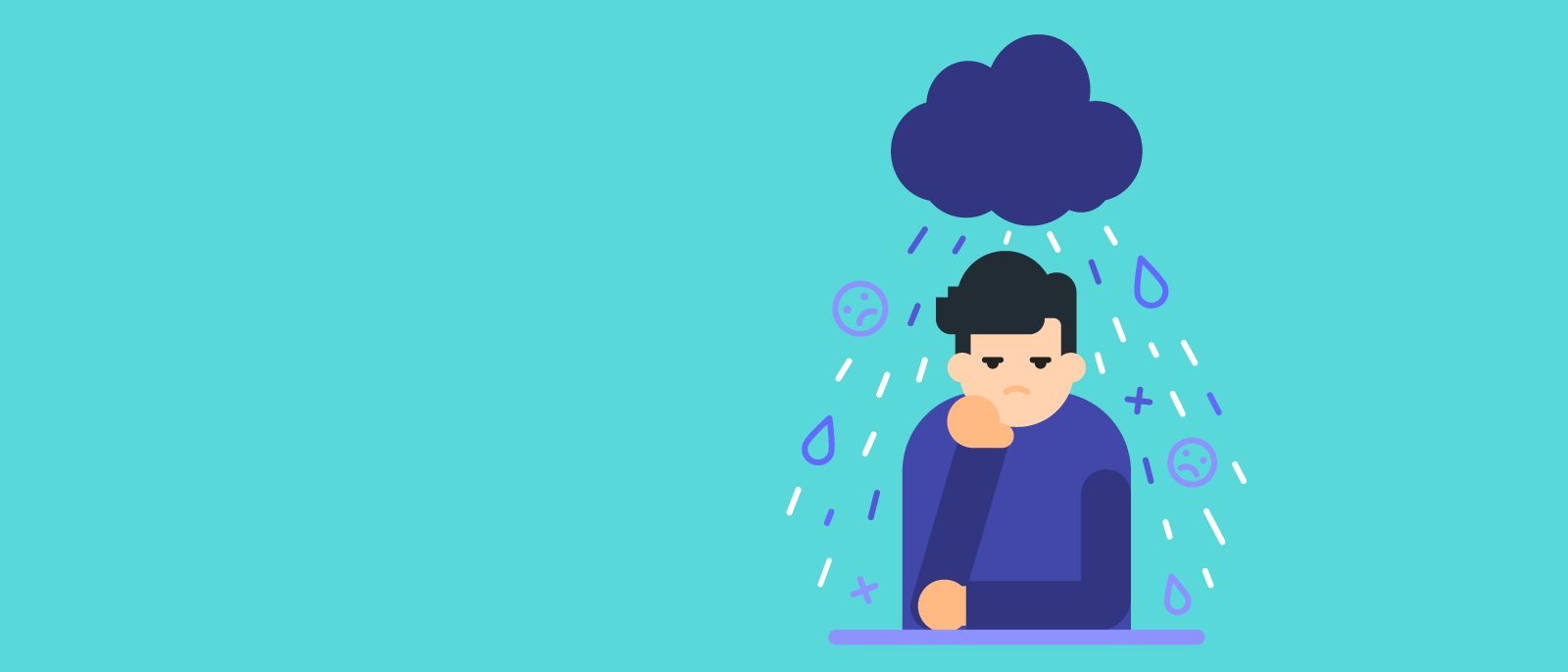
Isn’t it the same as depression? Just as much as an apple is the same as a worm inside. They might be present at the same time, but it’s not a criterion. Depression usually means a feeling of worthlessness, sadness and loss of interest. Stress can play an important part in the development of both of these illnesses, so it’s important to manage it properly.
The cyber-problem
Anxiety disorder is a broad term and it includes multiple conditions, like PTSD, OCD, social phobia, and panic attacks. Cyberchondria is a relatively new form of health anxiety. According to the New York State Psychiatric Institute’s Emily Doherty-Torstrick and colleagues, this term refers to “searching the web excessively for healthcare information.” It’s an exaggeration of what about 90% of Americans do ordinarily, which is “online symptom checking.” As nowadays the diagnosis seems to be only a click away, the danger of becoming constantly anxious about diseases got a lot closer.
We’ve all experienced technology’s dark side. Relying on our phones and smart devices so much can cause anxiety in multiple ways. Some are addicted to the instant fun and constant flow of information, or are afraid they’re missing something out. Some struggle with decreased attention spans, insomnia, always comparing themselves to others thanks to social media, and others can’t seem to snap out of work when at home. It is a “side-effect” of this day and age.
Tech to the rescue
Even digital health tech can cause anxiety- just think of all these new devices. They’re for everyone regardless of previous medical knowledge, data analyzing skills, and mental health training, they can still reduce stress, help with anxiety disorders, everyday anxiety and other mental health issues as well. A 2019 research shows digital mental health interventions can improve psychological well-being.
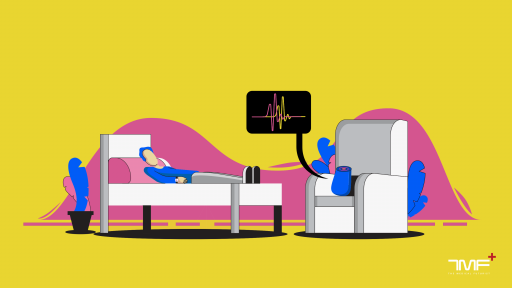
Experts say that hypochondriasis, which is a type of anxiety disorders, causes $20 billion in unnecessary medical examinations and procedures in the United States each year. WHO says investing in treatment of anxiety and depression, on the other hand, can lead to pretty good profit. That’s why it is important to be cautious and conscious when it comes to choosing the right way to face mental health issues with technology.
For example, an app can be developed quite quickly and cheaply compared to inventing a device or developing new drugs – and can bring good money to the developers before you notice it not working effectively. Keep an eye on reviews and test the app before purchasing. Not everything works for everyone to the same extent.
Our favorite options
Something to measure your mental state and decrease stress: the PIP. PIP is a tiny device that was designed to give immediate feedback about your stress levels. You just need to hold it between the thumb and index fingers to measure skin conductivity for a few minutes while the app guides you to relax through an interactive activity.
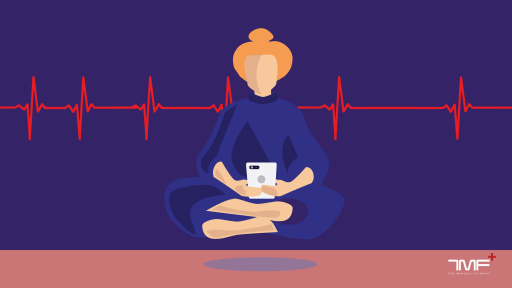
Something to teach you the basics of meditation: Headspace. Mindfulness is the real deal. It’s very effective provided we put in the energy to learn to do it properly and find time every day to practice. This app helps you master the basics with a daily guide which only takes 10 minutes, helps focus and release anxiety, and ultimately master meditation.
Something to give you unique information: Kardia. This slim and tiny device offers medical-grade measurements to detect atrial fibrillation (AFib) and abnormally high/low heart rates. You don’t have to be a cardiologist to interpret the data– and a measurement is done in 30 seconds. Carrying it with you is a great way to give a peace of mind to anyone living with cardiovascular risks or panic attacks.
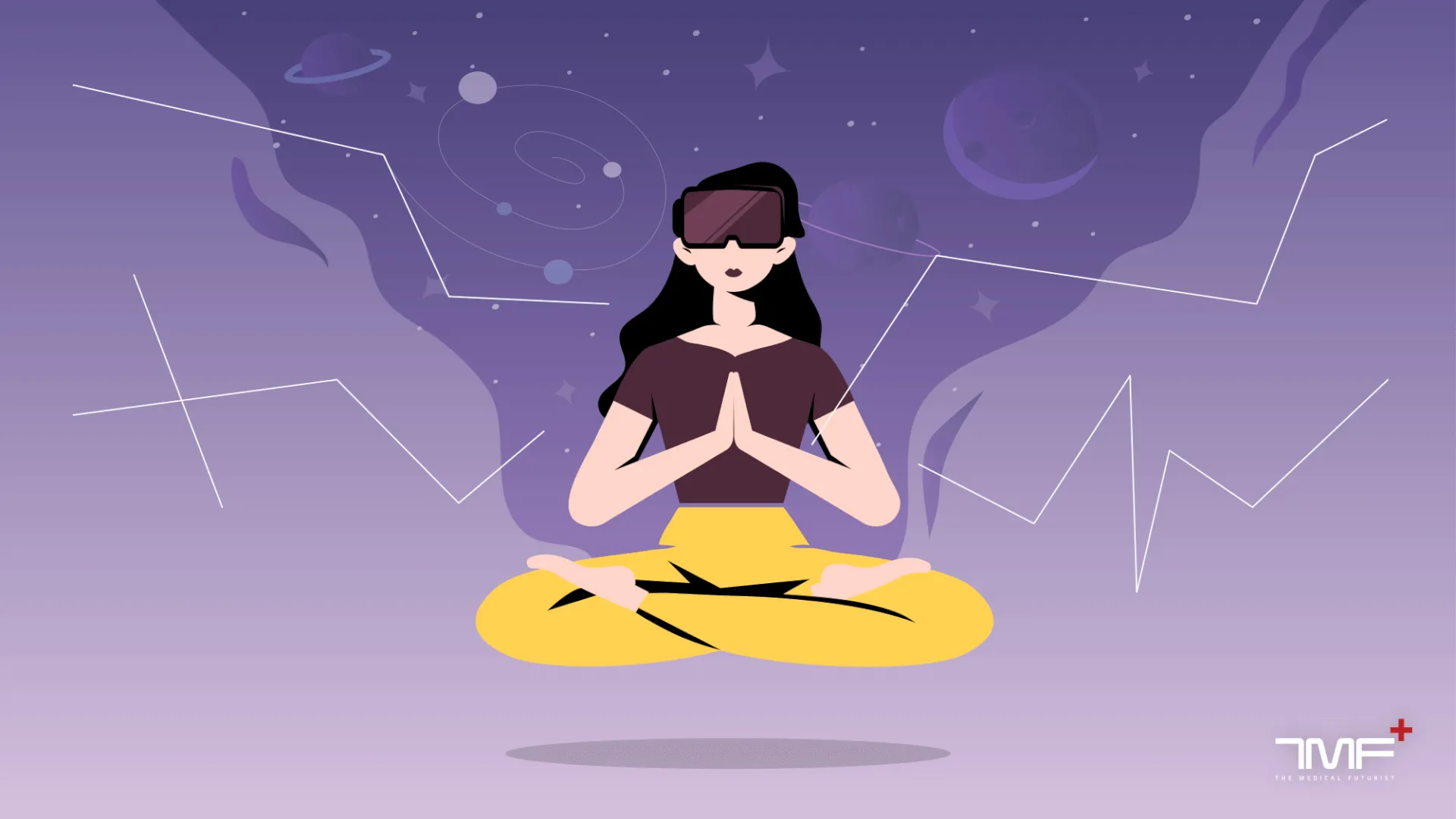
Something for the tech lovers: VR, like Psious. The immersive environment re-creates the fearful situation for patients while ensuring a safe place with the help of physicians. Psious offers unique VR treatments for psychological conditions such as fear of flying, needles, various animals, public speaking, general anxiety, or agoraphobia.
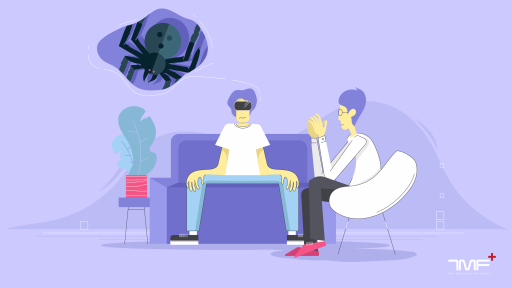
Something for all: telepsychiatry. It’s quick to schedule, and convenient. No travel hours, being irritated for sitting in traffic and staying at the comfort of your own home. When the patient doesn’t need a physical exam it’s a great option for both the healthcare professional and the patient too.
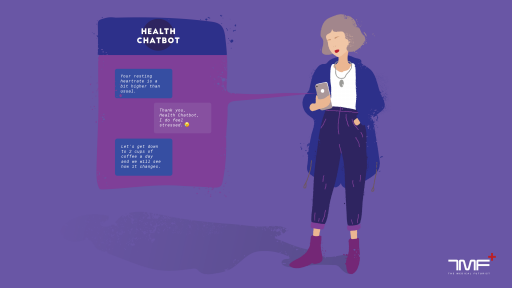
There are also online communities to join and chatbots to talk to. Finding an understanding team of people with the same issues from all walks of life and sharing tips and tricks, wins and losses with each other work wonders for some people. And if you actually prefer some alone time without feeling completely lonely- give chatbots a try. They can be lovely companions for some.
We can’t stress enough
…how important stress management is. Spend time improving your mental health and your whole body and people around you will be refreshed and thankful. Even without any fancy new gadget you can do so much to preserve your mental and physical health, let alone with these tips.
Anxiety is exhausting. With a little patience and research we’re sure everyone can find the right method for alleviating this issue. Anxiety is a problem for many of us. We’re sure the digital mental health tech market will continue to grow and you can be sure we’ll be here to help you guide through this jungle.