How Can You Improve Your Mental Health With Technology
Technology and mental well-being might seem like profoundly antagonistic terms. However, there are excellent digital tools to help you reach mindfulness and to practice meditation. […]

10 min | · Updated
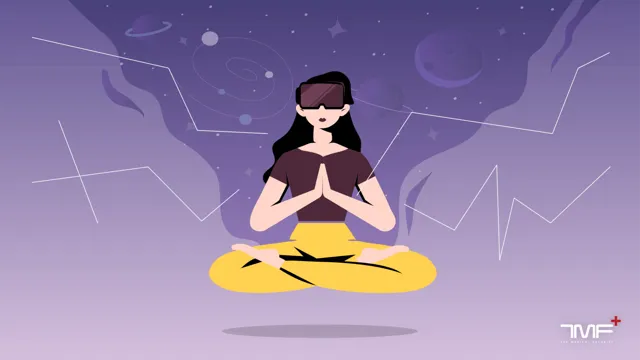
Technology and mental well-being might seem like profoundly antagonistic terms. However, there are excellent digital tools to help you reach mindfulness and to practice meditation. You can even use smartphone apps, virtual reality solutions and digital devices as a form of relieving stressing and achieving digital detox – as, after a while, you will be able to practice all types of anti-anxiety skills on your own.
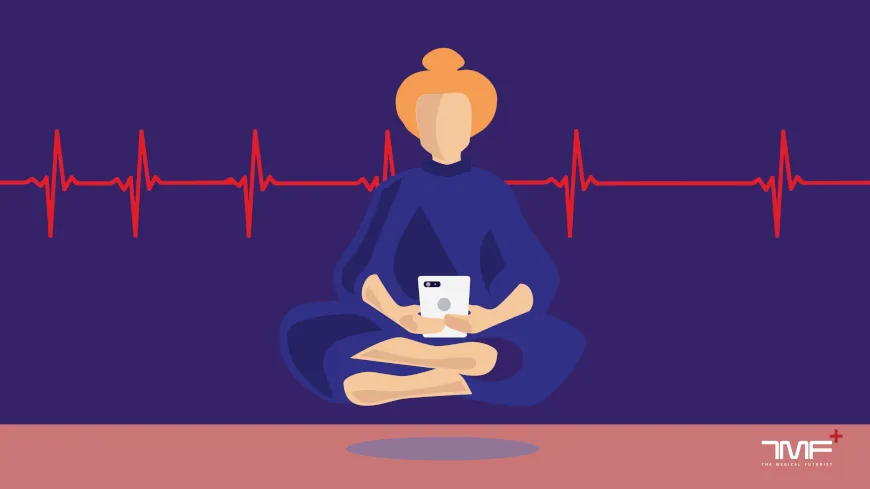
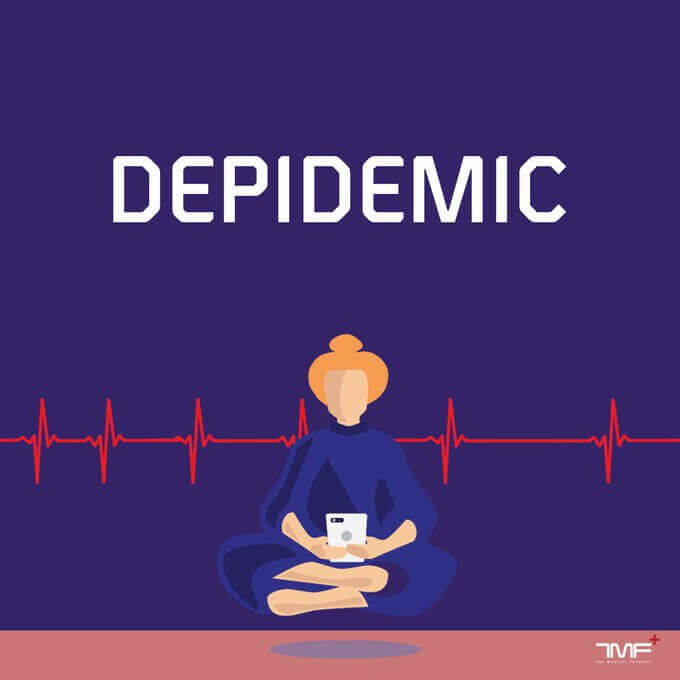
During the pandemic many organisations have warned to prepare of the biggest wave of all – a state we called “depidemic” in our related article. A worldwide scale of anxiety, loneliness and fear, associated with worrying about the virus, unemployment, social isolation and uncertainty added up to a mental state. It affects people of all ages from early childhood to the elderly, and if it can be fought and how depends on a wide range of social and psychological factors.
Still, there are certain digital solutions that can be of help and support to anyone. These are not replacing therapy sessions for those who need it; however, can offer supplementary support to it. Let us show you how you can enhance your mental and emotional health with the help of technology.
Related articles
- Telepsychology During COVID-19: It All Depends On How You Look At It
- We Used 3 Devices For Meditation – Here’s What We Found
- Music Makes You 200% More Productive – Our Patreon Interview With Will Henshall, Founder of Focus@Will
The need for taking care of our emotional health
“Good mental health is absolutely fundamental to overall health and well-being,” – WHO Director-General Tedros Adhanom Ghebreyesus said in a statement on World Mental Health Day last year. Mental health, or emotional hygiene has been thrown into the shade over the past years and that stigma only changes slowly. Somehow, the culture of busyness prevents us from squeezing some time for mental health into our packed schedules. Information is pouring on us from millions of communication channels; we are connecting with hundreds of ‘friends’ on social media, we are obsessed with data and time management slices up our days into meetings and to-do lists. That has to end.
The pressure to perform and the stress to achieve is the air every busy-bee is breathing. However, turbulent lifestyle comes with a price. No wonder so many people have mental health issues. In the US, that means one in five adults – more than 40 million Americans! One in six U.S. youth aged 6-17 experience a mental health disorder each year. In Europe 27 percent of the population has to cope with mental disorders, which means 83 million struggling Europeans. In Asia, the prevalence of depression is 20 percent in Thailand, 19.9 percent in Taiwan, 19.4 percent in Korea, 17.5 in Malaysia and 16.5 percent in China.
Children are among the hardest hit by the pandemic. 9.7% of youth in the U.S. have severe major depression, compared to 9.2% last year. In Spain and Italy 86% of parents reported changes in their children, such as difficulty concentrating and spending more time online. In the U.S., one child under 13 died of suicide nearly every five days, during an examined 17 year period – before COVID even appeared. Numbers rose ever since.
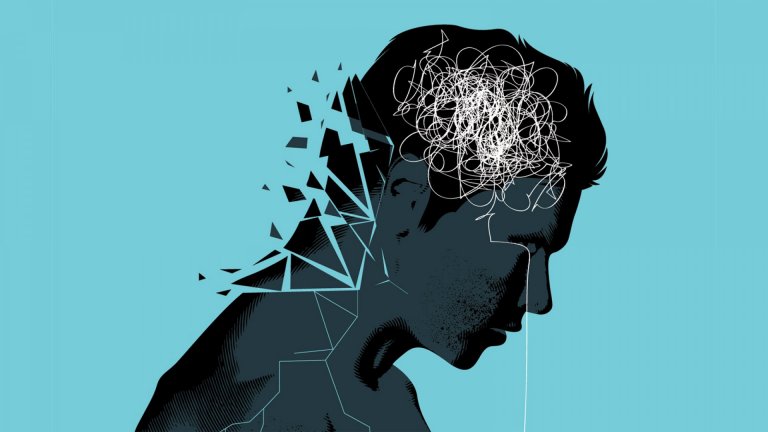
Could technology help our quest for mindfulness and mental health?
One of the essential components of mental wellbeing is mindfulness; the way of being present in the moment and acknowledging ourselves and our environment as it is. Not as it should be or shouldn’t be, but exactly as it is. As Ellen Langer, psychology professor dealing with mindfulness for over four decades, put it, if you are mindful, “it’s easier to pay attention. You remember more of what you’ve done. You’re more creative. You’re able to take advantage of opportunities when they present themselves. You avert the danger not yet arisen.” She added, that regarding technology, multitasking or information, the important thing is how they are dealt with, how they are taken in – and not the fact that they currently have a strong presence in our everyday lives.
Technology is often linked to issues such as distraction, narcissism, expectation of instant gratification – and even depression, it may sound bizarre at first, but help might actually come from technology. However, the use of the tools of modern life are not necessarily “our enemies” in the search for mental wellbeing. In fact, they can become our helpers if used wisely. Here are the ones The Medical Futurist recommends.
Stress management and meditation
So how could a technological tool help manage stress which is induced partly by technologies? In The Medical Futurist’s experience, you cannot really meditate or de-stress effectively with technology on the long-run. However, it is an excellent tool for taking the first steps. It could work similarly to addictions: it might be easier for a technological society to get used to the idea of mediation and effective stress management through another digital tool, used less and less until completely losing it in the end.
1) Muse headband
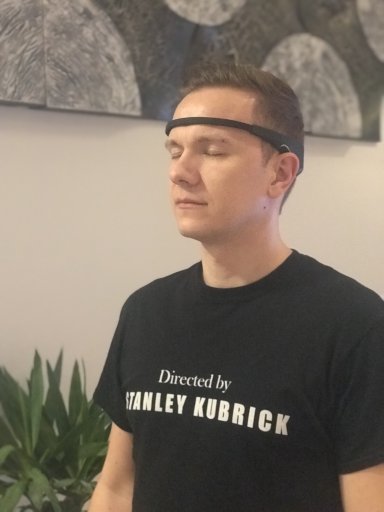
The brain sensing headband helps you get the most out of your meditation practice by giving you real-time biofeedback about what is going on in your mind. The Muse is not some dystopian headset trying to alter your brain. Instead its makers, InteraXon want to train you to modify it yourself. The routine is simple. You put the Muse headset on, you complete the breathing exercises to the sound of waves (neutral), storms (bad) and tweeting birds (good) which indicate how focused and calm you are. If your mind is too active, the Muse gives you feedback to help you clear your thoughts. This is our review using Muse.
After many months of using the Muse, I decided to continue my meditation sessions without its help, but the immediate feedback taught me when I’m genuinely relaxed, and it was useful to listen to my brain activities in real-time.
2) Calm
App of the year in 2017, Calm has taken the world by the storm. Within you can learn how to be mindful, have breathing sessions to relax your mind and body, listen to calming bedtime stories before you go to sleep or watch smoothing nature scenes any time during the day whenever you feel it’s necessary. The app also offers a large variety of meditations, such as body scan, walking, guided or unguided sessions.
3) Headspace
The meditation app that has its own series on Netflix and is offered as support during driving through Waze, is the best choice for anyone who wants to learn how to meditate and how to release stress even after a busy day.
The daily guide only takes 10 minutes, helps focus and release anxiety, master meditation. If you get used to it, it will even help you form a beneficial habit. It has hundreds of themed sessions; you can use reminders or practice your weak points. It’s an instant get for your mental wellbeing!
4) Breath2Relax app
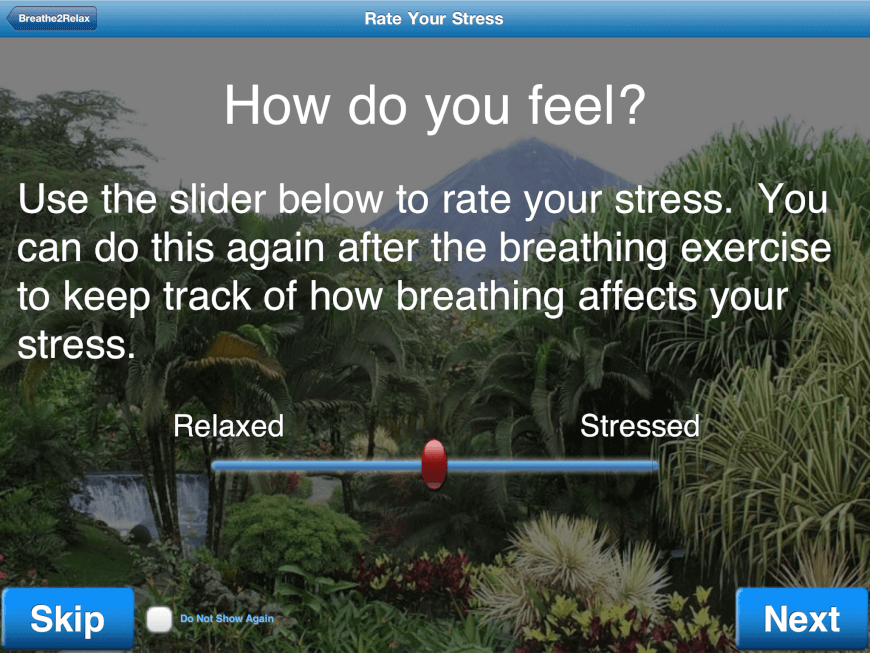
Many mental health experts consider diaphragmatic breathing or deep belly breathing one of the most useful tools for stress relief. This app helps users learn this stress management skill to decrease the body’s ‘fight-or-flight‘ response, and helps with mood stabilization, anger control, and anxiety management.
The Anxiety and Depression Association of America rated the app as very good, which is a great sign. It was developed by a branch of the US military, the Defense Health Agency and was initially designed for the military community. If it works for soldiers who are constantly thrown in highly stressful situations, it should work for civilians as well.
5) Focus@Will music service
Did you notice that you can concentrate on your work assignments, on your thesis writing process or your creative work better when listening to music? The Los Angeles based company, Focus@Will, established in 2012 offers a unique service for people who already know their attention is only flawless when the right music is on.
Based on research in neuroscience, Focus@Will promises to determine your personality type through a couple of test questions; then it will offer the appropriate music genre to improve your focus. According to their survey of 22,000 active users, focus time increased more than 200-400 percent.
We talked with Focus@Will’s founder and CEO Will Hanshall for our Patreon page earlier this year, and he added “our music is crafted to balance your mind between distraction and habituation, keeping you focused on your work.”
7) Deep virtual reality app
Imagine that you are walking underwater: your body becomes light and translucent, your steps slower and more theatrical. The whole world seems to slow down with you. Now, imagine this scene as a point for meditation (except where you have to come to the surface for breathing). That experience is precisely what Deep is offering you with the help of virtual reality – excluding disturbing real-world conditions. Game designers, Owen Harris and Niki Smit, developed a VR game, where you control movements through your breathing.
With a customized controller strapped around your diaphragm and an Oculus Rift, you dictate your movement in a low-poly underwater VR through diaphragmatic breathing. Breath in to gently rise, and out to sink to the seabed. The point is meditative, but shoals of low-poly fish add to the joy of discovery.
8) Zen Zone virtual reality app
Zen Zone is another relaxation game designed by Unello Design specifically for VR. It features two innovative relaxation sessions with beautifully relaxing music, which visualize the body and the breath in ways only possible in VR. You also get the chance to arrange your special “secret garden”, where you might find your inner peace.
Developer and musician Aaron Lemke leads the Texas-based design studio. Mostly interested in exploring the experiential side of VR, Unello created many of the first relaxation experience available for the Oculus Rift.
9) Fitbit’s Relax app
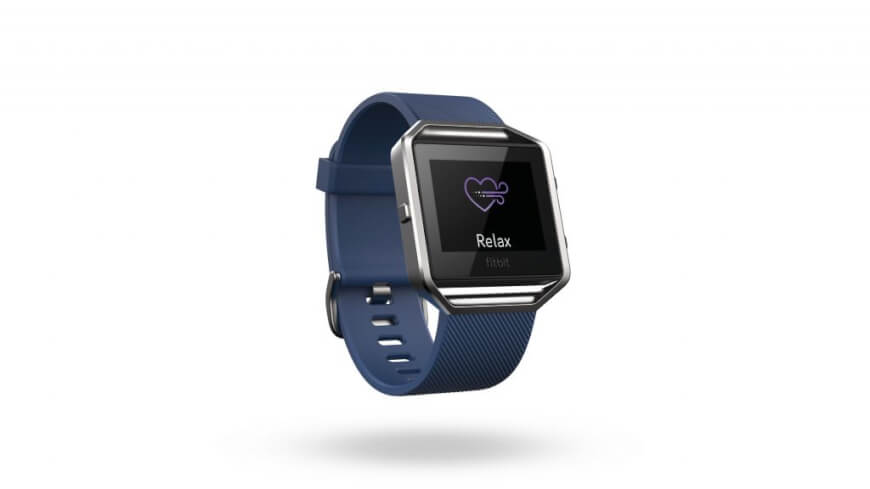
Fitbit has a Relax app on its Blaze and Ionic models. The app is a breathing exercise that can last for 3 or 5 minutes and is designed to help the user slow down breathing, as well as heart rate. It’s a quick yet still efficient exercise to find a few minutes of calmness every day. It also shows the progress you have made over time and how much you could reduce your heart rate during the exercise which guarantees that you come back to it day after day.
No matter whether you use devices, apps, virtual reality or any other tools, the important thing is to focus on your mental wellbeing at least once a day. Make time for it, give yourself a couple of minutes and pay attention to your thoughts and feelings. On the long run, mindfulness and general wellbeing will pay off. As Ellen Langer puts it, life consists only of moments, nothing more than that. So if you make the moment matter, it all matters. You can be mindful or mindless. You can win, you can lose. The worst case is to be mindless and lose. So when you’re doing anything, be mindful, notice new things, make it meaningful to you, and you’ll prosper.
Subscribe To The Medical Futurist℠ Newsletter
- News shaping the future of healthcare
- Advice on taking charge of your health
- Reviews of the latest health technology