What If The Gym Of The Future Is On Your Wrist Already?
Imagine this: after the lockdown has ended, and the virus is tackled/you’re vaccinated, you are heading down to the gym for the workout you’ve so […]

6 min | · Updated

Imagine this: after the lockdown has ended, and the virus is tackled/you’re vaccinated, you are heading down to the gym for the workout you’ve so desperately missed during the quarantine. Are you OK with touching the door handle? Having your temperature checked at the reception? Doing yoga in the studio?
The past months have changed our way of thinking about the gym. This has always been the place we go to do exercise, for we’ve got the motivation, the drive and, in part, the enthusiasm. The gym gave us the perfect surroundings to workout. However, over the last months we had to find this motivation within ourselves. Which is not an easy thing to do. Luckily, we have support: our health data.
Quarantine-boogie
People all over the world tried at least one sort of online exercise at home during the lockdown, I’m pretty sure of that. I myself certainly did, and you might not be surprised to hear that I’ve used some gadgets as support. I always try to test the latest at-home medical devices and I also love to share my experiences.
In fact, by now I have tested and used more than a hundred devices and gadgets that measure health parameters and vital signs. Dozens of gadgets on the healthcare wearable market promise you a healthier lifestyle, collecting amazing amounts of data and helping you with training. So here’s my two cents: what if the gym of the future is already on your wrist?
Doing sports at home
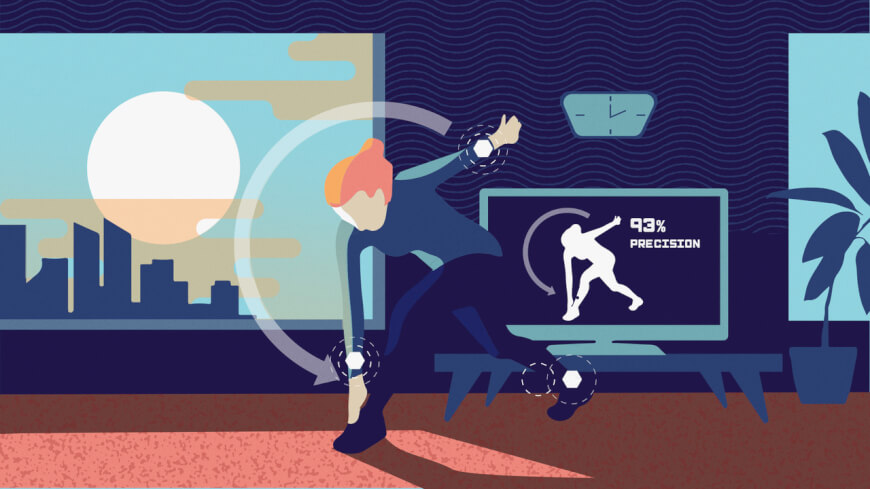
Coronavirus definitely forced the world to do at-home sports. Anyone who started binge-eating, or binge-watching (TV or Netflix), probably also did some binge-sporting (if there was no such word before, there is one now). Everyone, from fitness instructors to yoginis moved over to Zoom, YouTube or Facebook/Instagram Live. It’s definitely been a long way from Jane Fonda to the current flow of quarantine sports. Have you tried some free online yoga classes? Exercised at no cost like Thor? Did P.E. with Joe and your kids? Worked the body with Nike? Danced alone together? Or at least tried a bit of at-home tennis like Nole? (And has anyone tried the WHO’s recommendations?!)
And I don’t think we’ll ever go back to what once was normal. Beside the obvious germophobia from door handles and locker doors to fitness machines and common showers (pools! saunas! breath!), simply being so close to so many unknown people would be enough to keep many people away from the gym scene altogether. Until now, the gym (the court/the yoga studio/dojo) was the sacred core of our workouts. They had the machines. Or the knowledge. The coach. And even the bar. How are we going to do sports in the post-COVID future?!
Wearables and data to the rescue
Engaging in a sports activity really helps keep not only your physical, but also your mental, and emotional health in shape. But even with precautions and social distancing measures, a gym is typically a place that is hard to keep virus-free.
Before COVID-19, I spent 2-3 days in the gym with a coach who would keep me extra motivated. He also helps me analyze the data from my wearable sensors and change the pace or the exercise accordingly. As COVID-19 hit, I spent the first two weeks setting up a daily schedule for myself, along with a workout routine. I also wrote to my coach and asked him to help me out online. And as he is just as tech-savvy as I am, we hopped onto gadgets.
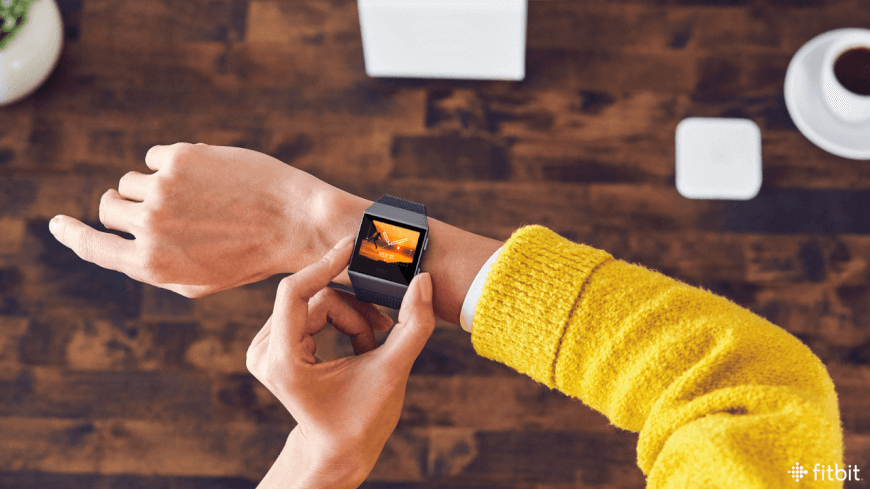
My coach really uses the data I collect with my trackers. (I have a Fitbit Ionic on my wrist and I also use a Polar chest strap during sports.) He claims that this way he can give me better advice and make better decisions regarding my workout. He still gives me a lot of motivation, however, when considering my post-COVID life, I really don’t think I will be going back to the gym, or at least not too often. What for? I have my motivation. Data.
Wear. Train. Track. Evaluate. Repeat.
Working out at home surely has its advantages. You don’t need to go anywhere. You don’t need to touch a door handle. (You can wear your comfy sweatpants.) No matter which activity you choose to do, there is an app and a tracker for it at your service. And with the help of these, you don’t even need to pay for a trainer but follow the instructions and beat yourself. As a matter of fact, if you need company, you can beat others, too, as there are services that allow friend or competitive mode. (Even more: MMORPG features for the gamers-at-heart!) Then there are also ones that have motivational coaches. Or apps that give you personalised workouts like Fitbod or the free Endomondo.
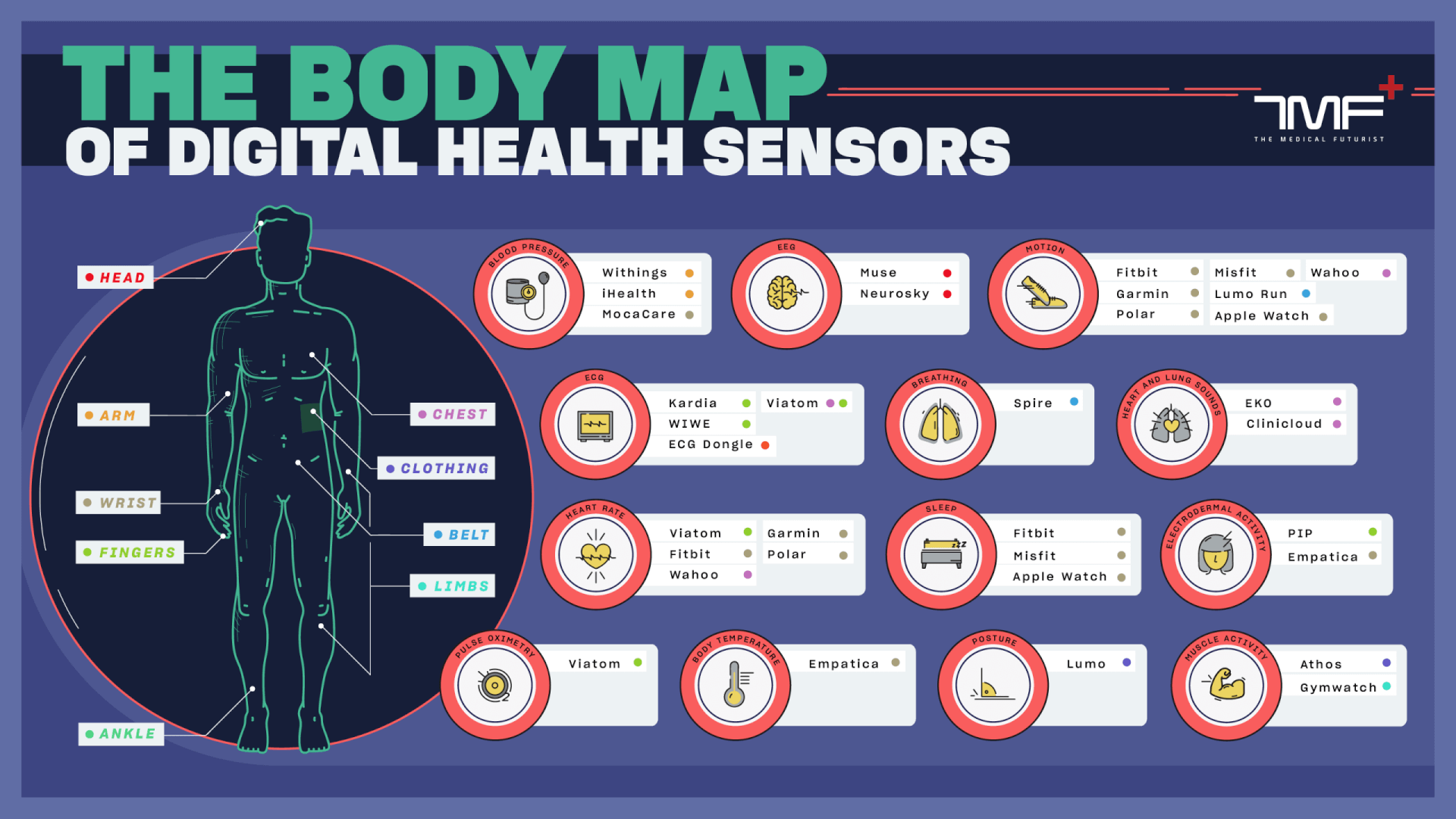
Alongside applications, wearable devices provide vital data for your workout routine. These can track nearly everything: heart rate, steps, distance, speed, hydration level, fatigue, muscle activity, pulse oximetry, sleep patterns, breathing, posture, electrodermal activity, hydration level and so on. They really can give you a gazillion of health data.
When health data is not enough
But they do have a dark side. Besides now-common fears of data privacy, many wearable tracker users complained they feel stress or pressure to reach their daily targets. From a device that is expected to help release stress, this isn’t a good outcome. But as they can help you get better and better, there’s only one thing that is still missing from your training. For many people, the gym is not just a place to train. It is a social spot, a place to chat, suffer and unwind. It provides that nitty-gritty human contact that is missing from even the best app or VR glass there is.
Find your drive
However you decide to do it, sport is health and therapy in one. As for myself, I learned long ago that I need daily exercise to keep my mental health intact. Fitness gadgets and data are drivers for me to do that, and you don’t necessarily need to spend zillions on devices and live in the future: just reach back to the good old spreadsheet and start shaping your lifestyle.