It’s Time For The Rise of E-Physicians
Patient empowerment, the spread of digital technologies and the widening access to medical information coupled with global doctor shortages, rising life expectancy and the ever-higher numbers of chronic diseases call for a change in the practice of medicine. The centuries-old approach to the medical profession cannot deal with the waves of the 21st century. Physicians should experience a shift from the lone wolf to the curious team player, from the rule follower to the creative and from the demigod to the guide in the jungle of digital health. That’s the main argument of the latest publication of The Medical Futurist Institute entitled The Rise of the Empowered Physician in the Digital Health Era published in the Journal of Medical Internet Research.

8 min | · Updated
|
THIS ARTICLE HAS NOT BEEN UPDATED SINCE 2019. THE INFORMATION SHARED IN THE ARTICLE WAS ACCURATE AT THE TIME OF ITS PUBLICATION, BUT IT MAY BE OUT OF DATE NOW. BROWSE OUR LATEST ARTICLES HERE |
Patient empowerment, the spread of digital technologies and the widening access to medical information coupled with global doctor shortages, rising life expectancy and the ever-higher numbers of chronic diseases call for a change in the practice of medicine. The centuries-old approach to the medical profession cannot deal with the waves of the 21st century. Physicians should experience a shift from the lone wolf to the curious team player, from the rule follower to the creative and from the demigod to the guide in the jungle of digital health. That’s the main argument of the latest publication of The Medical Futurist Institute entitled The Rise of the Empowered Physician in the Digital Health Era published in the Journal of Medical Internet Research.
Atlases holding up an increasingly heavier, ancient world
The level of physician burnout is at an all-time high. The President of the World Medical Association, Dr. Leonid Eidelman, started his inauguration speech in October 2018 by addressing the “pandemic of physician burnout”. At that moment, nearly half of the world’s 10 million physicians had symptoms of burnout, including emotional exhaustion, interpersonal disengagement, and a low sense of personal accomplishment, he explained.
The growing number of chronic diseases, global doctor shortages, increasing costs of medical treatment, and rising life expectancy all together result in an immense challenge for medical professionals. Moreover, even innovations that are supposed to help physicians cope with the burden tend to cost in more working hours: electronic medical records, the increasing computerization of the practice coupled with the increase of bureaucratic tasks all add to the burnout epidemic.
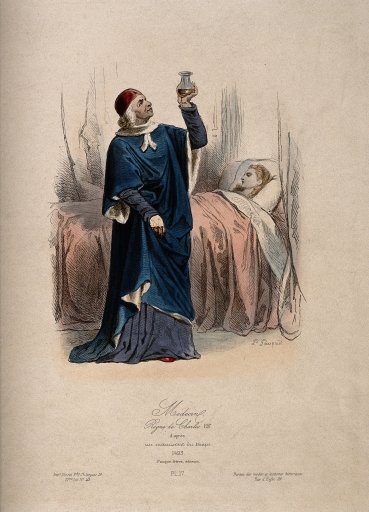
So far it seems technology offered more benefits to patients than medical professionals. Patients have more information at their fingertips, have access to many more technologies, smartphone apps, and gadgets aiding their healing process. They can follow their care closely, ask questions, turn to online patient communities for support, go after treatments in foreign countries, etc. It seems that they don’t need the too confident demigod-like physicians of the past anymore. They need partners who can navigate them through the jungle of digital health.
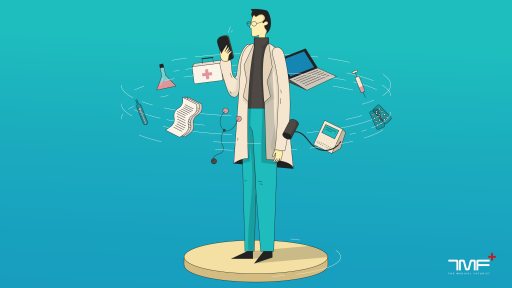
The challenges of the 21st century pull the rug from under the feet of medical professionals trying to hold up the ancient image of the doctor as Atlas holding an entire world on his back. Doctors, nurses and other caregivers are stressed and puzzled looking for their new place and function. Neither medical education nor regulations or guidelines prepare them for how to act in this new era. What should they do? How should they react?
What is an empowered physician?
The first response is usually the fight-or-flight reaction. Medical professionals are either reluctant to adopt digital health or they are clinging to the power they used to have. However, they cannot bury their heads in the sand for too long. A profound paradigm shift in healthcare called digital health is underway – it doesn’t matter whether they want it or not. That’s why, similarly to the e-patient movement, the rise of e-physicians could mean the appropriate response for the requirements of the digital era.
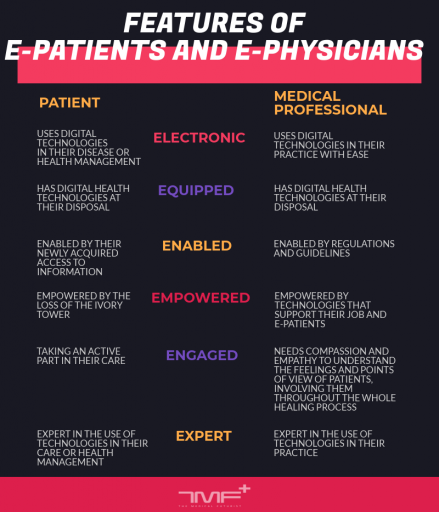
Empowered physicians (e-physicians) can be described as
- “electronic,” where they use digital technologies in their practice with ease
- “enabled,” where they are enabled by regulations and guidelines
- “empowered,” where they are empowered by technologies that support their job and their empowered patients (e-patients)
- “experts” in the use of technologies in their practice or in knowing the best, most reliable, and trustworthy digital health sources and technologies
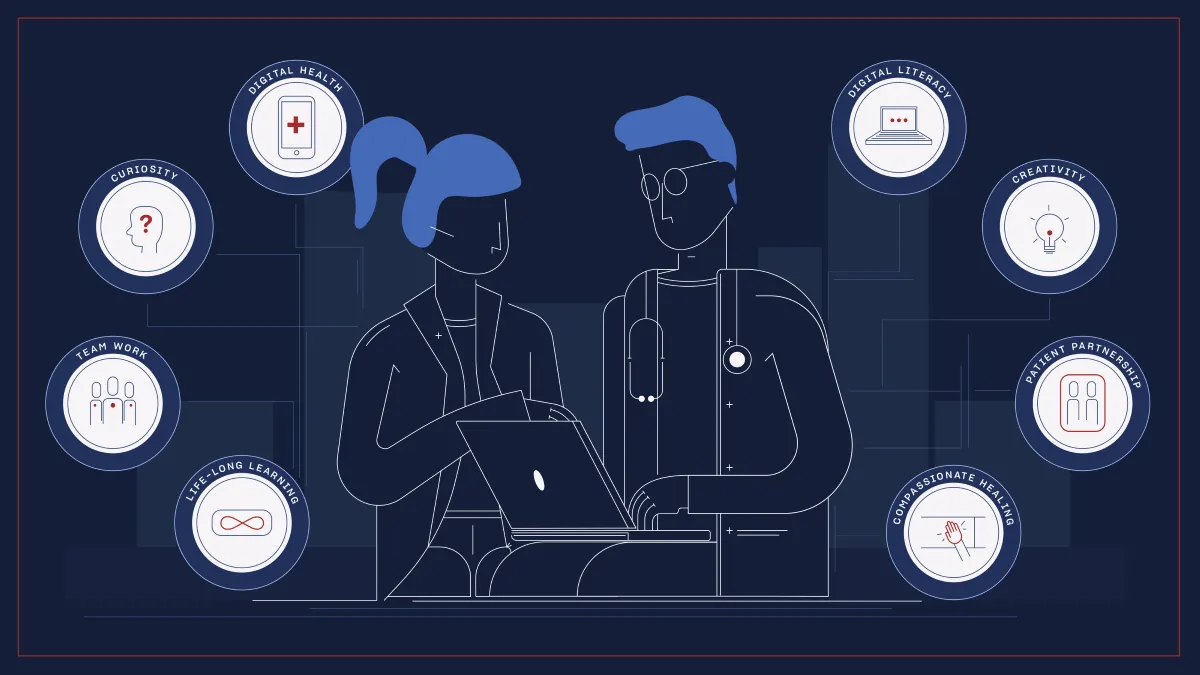
- “engaged,” when understanding the feelings and points of view of their patients, giving relevant feedback, and involving them throughout the whole healing process.
This means a profound shift from the image of the demigod doctor, who is the gatekeeper of medical information, who works alone or in a small team at best and who functions as the data processor and guideline follower entity in the huge wheel of healthcare tailored to the needs of the average patient. E-physicians will have knowledge of and positive attitude towards digital technologies, build up the doctor-patient relationship as a partnership and keep compassionate care as the fundamental basis of healthcare.
How to help physicians?
However, looking at the current conditions of working as a healthcare professional, there is only a slight chance for physicians to live up to the expectations of their new role. The era of digital health should not only mean the equipment of e-patients with information, tools, and technologies, but also the provision of empowered physicians (e-physicians) with time, opportunity, and technologies to fulfill the modern vision of a practicing medical professional and even more importantly, to make their jobs more creative and more enjoyable.
Policy-makers, regulators, leaders of huge institutional settings as well as medical schools should create an environment where e-physicians could successfully establish their presence. As this would be an immense and slow undertaking, as practical advice, we recommend starting the support for re-shaping professional competence in medical school by rewriting medical curricula. Courses such as Lessons in Digital Health successfully taught at Semmelweis University, Hungary should be made available for medical students to familiarise themselves with both digital health technologies and issues of the new patient-doctor partnership.
Pieces of advice for physicians of the future
And what should medical professionals do to keep up with the times? As e-patients have become experts in their illnesses, their chosen health care providers should be able to help them. For that to happen, healthcare providers should be able to form an appropriate relationship with patients. As insights about medical issues and the use of technology can now come from both sides, and they are moving toward shared decision-making, communicating extensively, and managing health and disease through teamwork, physicians should arm themselves with sufficient communication skills and the readiness to the involvement of patients in prevention and treatment.
As through the use of portable diagnostics, telemedicine, and other state-of-the-art technologies patients become the point of care, healthcare providers will need to be trained in such a way that they can diagnose, treat, educate, and monitor patients who are far away. Rules and behavior patterns for synchronous and asynchronous communication should be studied and pinned down. Beyond communication skills, digital literacy, as well as the skills of managing, protecting, and orienting within datasets, will also become irreplaceable. An e-physician will need to handle the information at hand in a critical and selective manner, and educate patients on occasion about data management issues.
However, we are aware that these are the skills necessary in the future and as a starting point, familiarising ourselves with communication tools, social media, as well as digital health technologies, could also help ease the hardships of the transition into digital health. We also know that the first steps on the road to digitalization could be difficult, especially for older demographics. That’s why we assembled a Guide To Ask Me About Digital for physicians who would like to step up to the challenges of the 21st century. While the document itself aims to give possible answers for patient questions on digital health for medical professionals using the Ask Me About Digital badge, it basically offers guidance to any doctor, nurse and caregiver out there on how to use social media, how to read medical news, what health apps, sensors or wearables to use, which genetic tests to recommend. We believe it is a great starting point for becoming a guide in the digital health jungle.
While at first these new skills may seem an additional burden on the already strained medical community, by understanding and accepting how digital health technologies can support or augment their capabilities, physicians might have the chance to practice the art of medicine as never before.
|
At The Medical Futurist, we are building a community for making a bold vision about the future of healthcare reality today. If you’d like to support this mission, we invite you to join The Medical Futurist Patreon Community. A community of empowered patients, future-oriented healthcare professionals, concerned health policymakers, sensible health tech developers, and enthusiastic medical students. If there were ever a time to join us, it is now. Every contribution, however big or small, powers our research and sustains our future. Click here to support The Medical Futurist from as little as $3 – it only takes a minute. Thank you. |