HOW TO Improve Doctors’ Work Environment With Digital Technologies In 5 Easy Steps
The work environment has a massive impact on doctors’ empathy, focus, and overall performance. At the same time, after the shift in healthcare towards telemedicine […]

7 min |
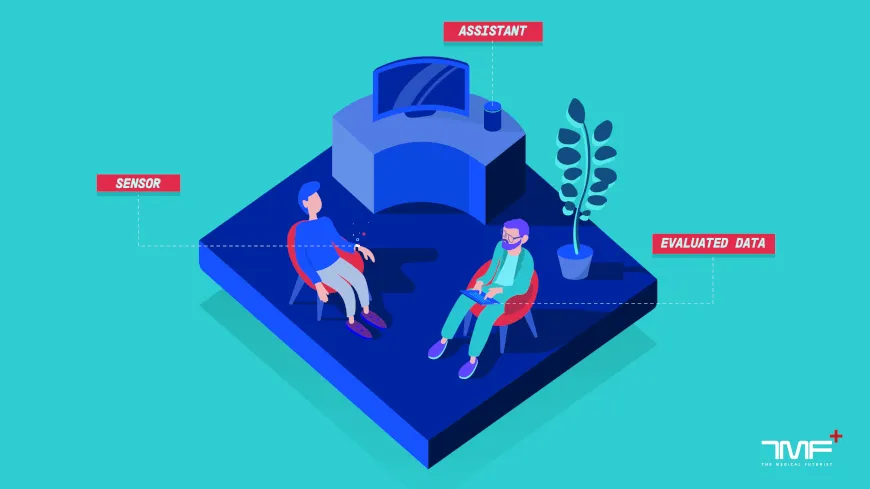
The work environment has a massive impact on doctors’ empathy, focus, and overall performance. At the same time, after the shift in healthcare towards telemedicine over the past 18 months, institutions and clinics realise they need to change the working environment according to the shift in need – like adding dedicated rooms and spaces for telemedicine or for staff to relax and restore their mental health.
There are also amazing technologies that could ease the burden on physicians and help decrease stress. We have already written about the ideal hospital of the future in this article, now here are some tips for medical professionals on how they could improve their workspace.
Workplace optimisation
Taking care of patients is not only a job, it’s also a calling. That’s why you put up with the long hours of overtime in a hospital, the brain-melting administrative burdens, and the long way until someone becomes an attending physician from a medical student. While it is generally accepted that work environment influences a person’s job satisfaction level significantly, it is even more important for physicians. As human lives and health are at stake, the work of a physician requires full attention, being up-to-date and focused, having fast or, on the contrary, measured decision-making capabilities.
That’s why it is essential to optimize the work environment where physicians spend 40-60 hours weekly on average. In this article we would like to show you some digital solutions ranging from telemedicine to mobile health, artificial intelligence, or apps whereby you can create a better medical work environment.
1) Go digital with your patients!
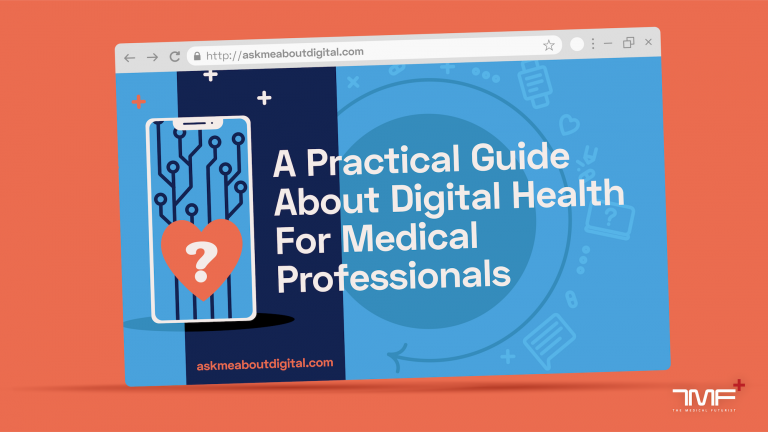
Digital literacy and the use of digital tools today are inevitable. That is why we created our latest Guide to help answer patients’ questions related to digital health issues. The guide that is available 100% free to download, offers a framework on how to respond to the latest challenges in patient-doctor communication in the 21st century, from medical misinformation, reliable medical resources and health apps to online communication with patients.
In emergency situations, a phone call is an obvious choice. But what if you schedule a patient visit through e-mail or instant messaging applications, such as WhatsApp or Facebook Messenger? You certainly cannot set a diagnosis through messaging and have to consider fundamental data privacy rules, however, in some instances, patients could send audio recordings of their coughs or pictures about their rashes, and physicians could advise them whether it is worth going in for a visit. In the future, this will be the task of health chatbots.
2) Telemedicine and digital devices
The COVID-19 pandemic forced healthcare institutions to turn to alternative ways of providing healthcare while limiting exposure to the virus. Telemedicine is the ideal solution to these woes by limiting patient displacement to hospitals, allocating hospital capacity to important cases, all while curbing the disease’s spread. Moreover, you could use the power of telemedicine to reach patients living in remote areas or in cases where the consultation would not take so long that it would be worth it for the patient going into the GP’s office or for a medical review.
There are brilliant telehealth solutions which offer patients on-demand video visits and consultations, and some of them are even able to pull data from external sources such as the EHR system or pharmacies. Before the pandemic, only 1 in 10 US patients used telemedicine services, according to a J.D. Power survey. Now the tides have drastically changed. Encouraging chronic disease patients to use digital health apps or devices for daily measurement of vital signs such as blood pressure or blood glucose can also result in easier case management and less workload. While the patient can see the readings as well, they are transmitted to the physician’s office. The advantage? No need for chronic patients to come to the doctor unless alerts advise them to do so.
3) Dedicate spaces within hospitals for telemedicine
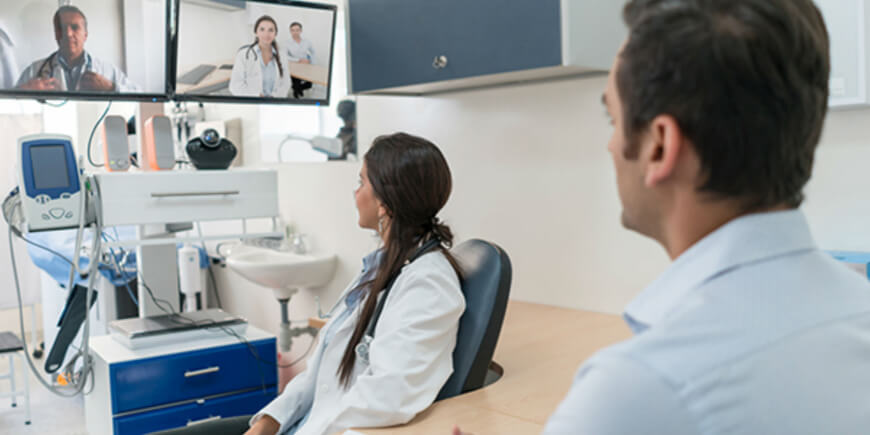
COVID-19 has given an extra boost for telemedicine practices all over the world. It made us all realise how much more streamlined some practices can be when limiting personal visits to the necessary, saving time for patients and doctors alike. And although many practitioners (and patients) would like to go back to the old norm now that the pandemic is about to be over, fact is, it is unlikely to happen.
We might slide backwards a bit in the short run. Taking the enormous benefits of telemedicine, we will eventually get used to this new norm of care. For it will be better. Therefore we already have to consider how to incorporate the necessities of this sort of care into everyday practice and design.
And if you have ever made a zoom call in a crowded room, you know why clinic-based telemedicine facilities should be considered when planning or allocating spaces for remote care within a hospital. Allocating space for doctors to care for patients remotely within an institution helps preserve the wellbeing and the motivation of physicians.
4) Managing mental health
Mental health became key in avoiding burnout and having overall positive job satisfaction. Physicians generally experience higher levels of stress due to the responsibility that comes with dealing with patients and saving lives. However, there are some methods that might offer some help.
As a first step, our first advice is to find 10 minutes for yourself even on the busiest of days. It is possible and incredibly useful! As a matter of fact, a study concluded that microbreaks during surgeries could increase surgeons’ focus and physical performance.
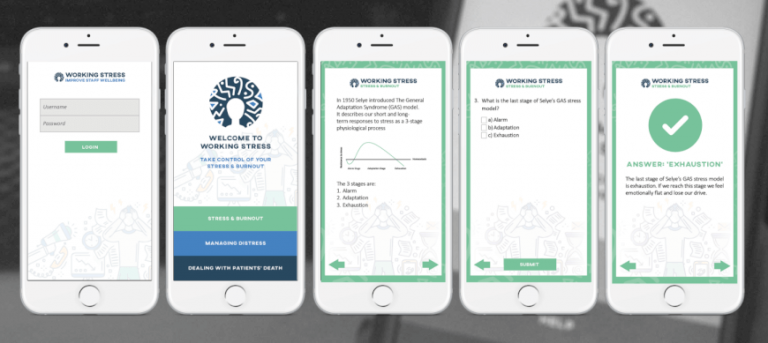
The benefits of mindfulness and meditation apps are also undoubtful. Calm, Headspace or Insight Timer offer at-hand solutions to help ease anxiety with breathing sessions, clear your mind with soothing music and cleanse your thoughts with beautiful nature scenes. The Working Stress gamified app, specially designed for physicians, provides specific information about stress, grief, and burnout. It explores the psychological and physical impact of stressful situations and offers coping strategies to apply immediately.
5) Decrease administrative burdens with technology
A study says that in the United States, the average doctor spends 8.7 hours per week on administration. Psychiatrists spent the highest proportion of their working hours on paperwork (20.3%), followed by internists (17.3%) and family/general practitioners (17.3%). Doctors in large practices, those in practices owned by a hospital, and those with financial incentives to reduce services spent more time on administration.
Artificial intelligence has a high potential for changing the situation. IBM’s algorithm, Medical Sieve was an ambitious exploratory project to build a next-generation “cognitive assistant” with analytical, reasoning capabilities and a wide range of clinical knowledge. Voice assistants also have the potential to free up the time of doctors spent on administration. Companies like Nuance and M*Modal already provide software-based dictation services to physicians. California-based company, Notable launched a wearable voice-powered assistant in 2018 aimed at helping doctors capture data during interactions with patients. In addition, there are already smart versions of common clinical devices such as thermometers, blood pressure cuffs, and scales that automatically record readings in the patient record, so you do not have to type them.
We know how difficult it is to transform the medical work environment for the better. These tricks and tips could help you achieve some positive changes. If you have any more ideas on how to ease the burden on physicians and increase job satisfaction, reach out to us on Linkedin, Twitter or Facebook!
|
At The Medical Futurist, we are building a community for making a bold vision about the future of healthcare reality today. If you’d like to support this mission, we invite you to join The Medical Futurist Patreon Community. A community of empowered patients, future-oriented healthcare professionals, concerned health policymakers, sensible health tech developers, and enthusiastic medical students. If there were ever a time to join us, it is now. Every contribution, however big or small, powers our research and sustains our future. Click here to support The Medical Futurist from as little as $3 – it only takes a minute. Thank you. |