The Top Five Digital Health Innovations For Food Tracking and Eating
Your body might be your temple, but in principle, we don’t take good enough care of it – not when it comes to the food […]

9 min |

Your body might be your temple, but in principle, we don’t take good enough care of it – not when it comes to the food we consume. In the Western world, we practically have no idea what we eat and how that affects us. Technological innovations can help us track what’s in our food and what we should eat based on our genetic background. In this article, we enlisted the top trends concerning eating and food tracking.
Let’s talk about food.
Almost 700 million people have some health problem with food or eating
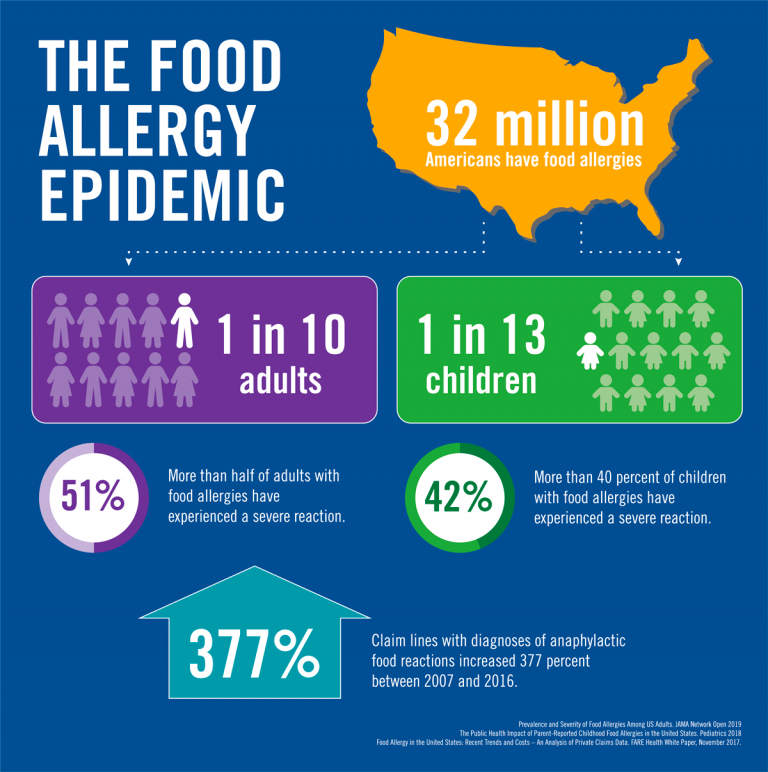
For some, eating is the most natural process on Earth. You are hungry, you get some nice food and some company, you sit down and have the meal making you happy and full. These people do not know how lucky they are. The last time we checked, researchers estimated that up to 15 million Americans have food allergies – that was in 2017. As of today this number almost doubled: currently it is estimated that 32 million Americans have food allergies of some sort, including 5.6 million children under age 18. That’s 1 in 13 children or roughly two in every American classroom.
Although it is not easy to measure it, some analysts say that there could be as many as 70 million people worldwide affected by various eating disorders like anorexia nervosa, bulimia or binge eating disorder. This number has definitely grown since the pandemic.
There are also concerning numbers when we look at the WHO statistics concerning obesity. According to the organisation, in 2016, more than 1.9 billion adults were overweight; of these over 650 million were obese. Moreover, worldwide obesity has tripled since 1975.
And, according to the FAO, the UN body that leads international efforts to defeat hunger and improve nutrition and food security, healthy diets are out of reach for 3 billion people around the world.
All these issues need to be addressed. Although digital devices, food trackers, calorie counters, etc. cannot offer alone long-term, comprehensive solutions, they could support eating healthily and reduce the harm we do through food to our bodies.
1) Smart utensils
It is not easy to find time for a long meal in our mad, mad world, but I’m sure that you also experienced that eating too fast leads to poor digestion and poor weight control. The HAPIfork, powered by Slow Control, is an electronic fork that helps you monitor and track your eating habits. It also alerts you with the help of indicator lights and gentle vibrations when you are eating too fast.
But what if you experience eating as a living hell? Imagine, that you cannot enjoy your food no matter how great it looks and smells. Your hand is shaking so intensely, you cannot lift your spoon or fork to your mouth without dropping it to the ground. There are many people out there with Essential Tremor, Parkinson’s Disease, or other motion disorders. For them, eating is a torture due to their condition. Designed by Lift Labs which was acquired by Google Life Sciences, Liftware is a stabilizing handle and a selection of attachments that include a soup spoon, everyday spoon, and fork. Liftware is specially designed to improve the lives of those with such motion disorders.
2) Food scanners
There are many uncertainties around eating. Usually, we have no idea what we are eating. Where did the chicken come from that was on your plate at the Indian restaurant last week? Where were the beans or the carrots packaged? What does the pre-packaged tiramisu on the supermarket shelf contain? Many burning questions of 21st-century living, as most of us, urban dwellers, are unfortunately not living near enough to our food sources. The solution was expected to come from food scanners – but as we concluded in this article, a good food scanner is hard to come by.
Several years ago there was a boom in the food scanner market with multiple promising devices – many of which have since went out of business, changed scope or directions.
Canadian TellSpec has developed a hand–held food scanner that can inform users about specific ingredients and macronutrients. The company brings together spectroscopy and a unique mathematical algorithm in a revolutionary system that can analyze the chemical composition of food. The company currently puts more emphasis on research and niche enterprise solutions.
The Israeli company, SCiO, used a technology similar to TellSpec’s but focused on identifying the molecular content of foods, medicines, and even plants. The company has also turned towards specific market segment and instead of the consumers it is now offering solutions to animal feed nutrient analysis. Their scientific background, however, still needs some valid proof.
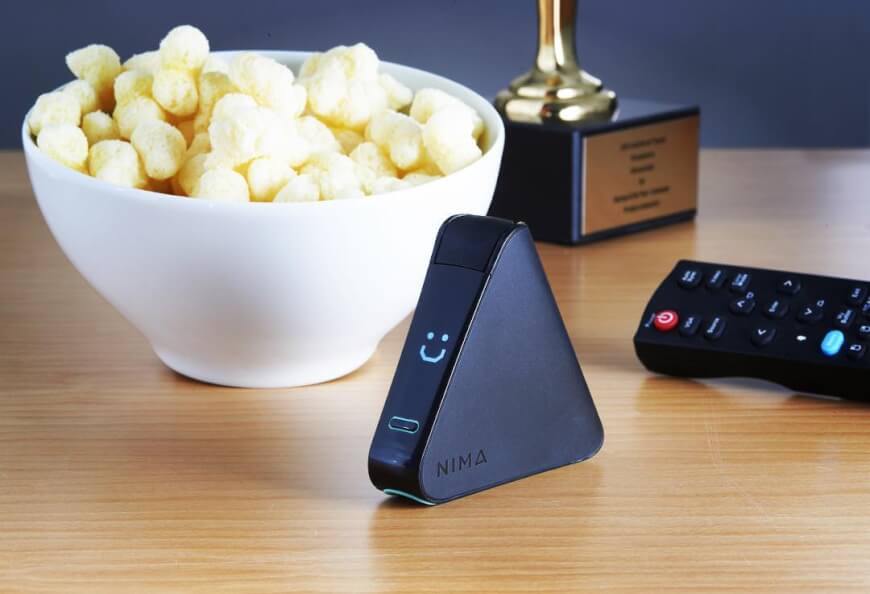
The Nima gluten-sensor was named one of Time Magazine’s 25 best inventions of 2015. It is a portable, nicely designed gadget. The Nima is able to tell you from a small food sample within two minutes, whether the food on your plate contains gluten or, in the case of their other device, peanut. But Nima hasn’t released anything since 2018, and there’s apparently also a shortage in testing capsules since the company was sold in 2020.
We collected The Best Technologies Against Food Allergies in this article.
3) Nutrigenomics
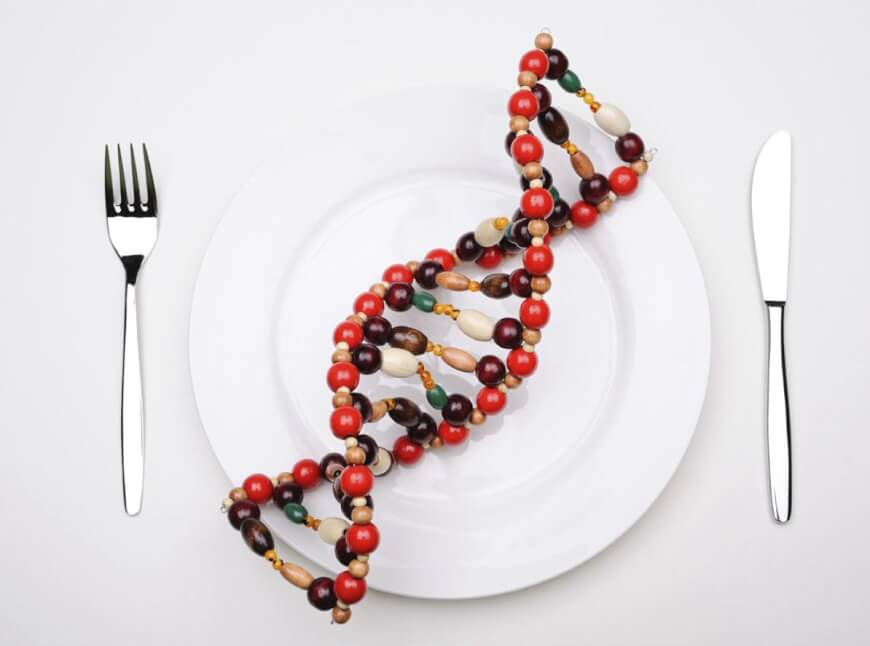
Our genome reveals valuable information about our organism’s needs, which we should map out and utilize in order to lead a long and healthy life. As we are all genetically different, our diet should be personalized. Nutrigenomics is a cross-field combining genetics and nutrition science. After having your DNA sequenced (perhaps already at home!), a smart app could let you know which food you should eat and what you should avoid at all cost.
it is also a technology that was at its peak a few years ago but is now experiencing some setbacks (despite the fact that superstars like Tom Brady swears by it). However, we expect
For example, the California-based start-up, Habit, originally planned to use genetic markers to identify the ideal meal for each of its customers and send that meal directly to their doors. Currently they don’t offer genetic-based analysis but personalized meal plans based on self-reported lab test values.
4) Calorie counters
Finding the ideal weight is a challenge for many people; while there are as many bits of advice regarding healthy eating and diets as sand in the desert. While there is a lot of debate around calories as well, it is common knowledge that if you reduce your calorie intake to a certain amount, you will lose weight. You should obviously not forget about the quality of your food while cutting on calorie intake to make sure you feel good and ultimately shift the fat in the long term – not just the weight in the short term.
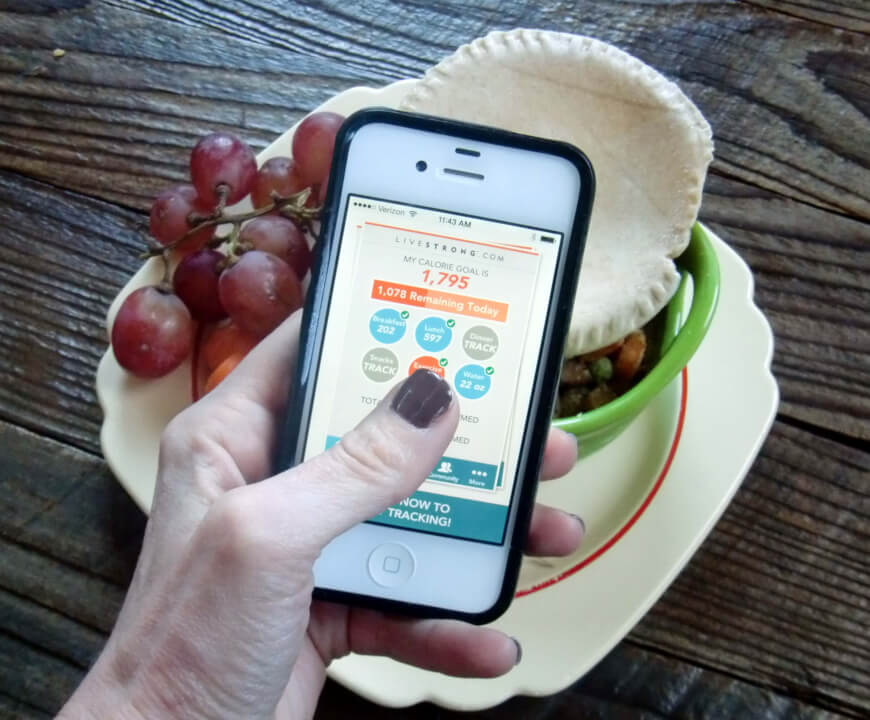
But first things first. If you want to know your eating habits better and see how much you are really eating, you might want to use a calorie tracker. Similarly to counting steps and following your fitness activities closely, there are plenty of trackers on calories on the market. For example, your Fitbit can help you count calories, and although if you do not want to have a separate wearable just for calories, you can choose from many apps whose goal is to help you log your meals. If so, let’s try MyFitnessPal, Lifesum, Calorie Counter Pro, HAPIcoach, Noom, or any other such apps.
MyFitnessPal has over 5 million food items in its database and it is super easy to log what kind of food or drink you had during the day. Moreover, the counter can be synced with various health apps, fitness bands or smart scales. With HAPIcoach, you can take a photo of your meals for 5 consecutive days; then send them back to a real nutritionist, who will give you advice on how to adjust your diet to the ideal. It’s a great way to acquire your very own, personalized diet.
5) Food chatbots? – not really
In 2016, Whole Foods announced the launch of their very own chatbot developed by Conversable to help consumers. The chatbot was designed to let customers browse through the store find products, and then, with a few taps in a Facebook Messenger chatbot, find recipes for an upcoming meal. So, you just select a tomato emoji, and the chatbot will find you great recipes for spaghetti bolognese for example. The Food Network TV Channel launched a similar chatbot supporting the search for various recipes by ingredient, meal type, your favorite chef or show. Both are unavailable and currently there are no such chatbots available on the market.
Chatbots are gaining momentum more on the enterprise side, offering ways for companies to sell through personalised voice-based guidance at stores or throught smartphone apps.
See how some of these work in action and how they could be used to improve eating habits in the newest video of The Medical Futurist Youtube channel. And please let me know if you know about other great innovations!
|
At The Medical Futurist, we are building a community for making a bold vision about the future of healthcare reality today. If you’d like to support this mission, we invite you to join The Medical Futurist Patreon Community. A community of empowered patients, future-oriented healthcare professionals, concerned health policymakers, sensible health tech developers, and enthusiastic medical students. If there were ever a time to join us, it is now. Every contribution, however big or small, powers our research and sustains our future. Click here to support The Medical Futurist from as little as $3 – it only takes a minute. Thank you. |