The Top Digital Health Technologies Helping Refugees Around the World
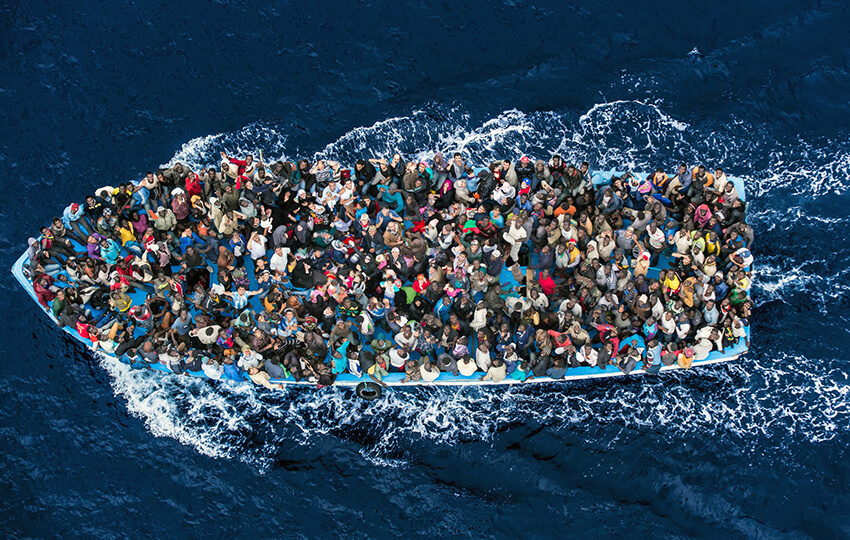
“Refugees are persons who are outside their country of origin for reasons of feared persecution, conflict, generalized violence, or other circumstances which have seriously disturbed public order and, as a result, require international protection,” writes the United Nations High Commissioner for Refugees (UNHCR). However, refugees’ plea isn’t limited to people leaving their home country en masse following atrocious wars or political instability, but can be that of anyone else, like you and me, following unforeseen calamities, be it natural or man-made, leading to similar situations.

9 min | · Updated

|
THIS ARTICLE HAS NOT BEEN UPDATED SINCE 2019. THE INFORMATION SHARED IN THE ARTICLE WAS ACCURATE AT THE TIME OF ITS PUBLICATION, BUT IT MAY BE OUT OF DATE NOW. BROWSE OUR LATEST ARTICLES HERE |
“Refugees are persons who are outside their country of origin for reasons of feared persecution, conflict, generalized violence, or other circumstances which have seriously disturbed public order and, as a result, require international protection,” writes the United Nations High Commissioner for Refugees (UNHCR). However, refugees’ plea isn’t limited to people leaving their home country en masse following atrocious wars or political instability but can be that of anyone else, like you and me, following unforeseen calamities, be it natural or man-made, leading to similar situations.
The November 2018 Camp wildfire in Butte county, California, left thousands of people homeless and forced others to relocate. Almost 10 percent of all disaster-related displacement in 2018 occurred in the United States alone, according to the 2019 Global Report on Internal Displacement (GRID). That’s more than 1.2 million new displacements!
The World Bank forecasts that by 2050, more than 140 million people will have been forced to move within their countries’ borders in three regions of the world due to the effects of climate change if no climate action is taken. As such, the increased frequency and intensity of natural events might become the main cause of forced migration in the near future, putting people from developed and developing countries alike in situations similar to what refugees are experiencing right now. We shouldn’t be indifferent to their struggle but try to empathize with them, as we could also be in their shoes.
In this article, we take a look at how and which technology is helping refugees around the world, which by extension can help those in similar situations in the future.
Need medical service? There’s an app for that!
As refugees are forced to migrate to other areas with a different cultural and political landscape than their own, they are nevertheless in need of key services like shelter, food, education and healthcare. Thankfully, there are apps designed to help those very people to find what they need.
The web app Services Advisor does exactly that. Initially launched to aid Syrian refugees in Jordan, it helps users find the humanitarian services they need most like food, shelter and medicine. Users are also able to filter services by type, location, and proximity to obtain the right help at the right time. Made in collaboration with the UNHCR, the web app is now available in Jordan and Turkey.
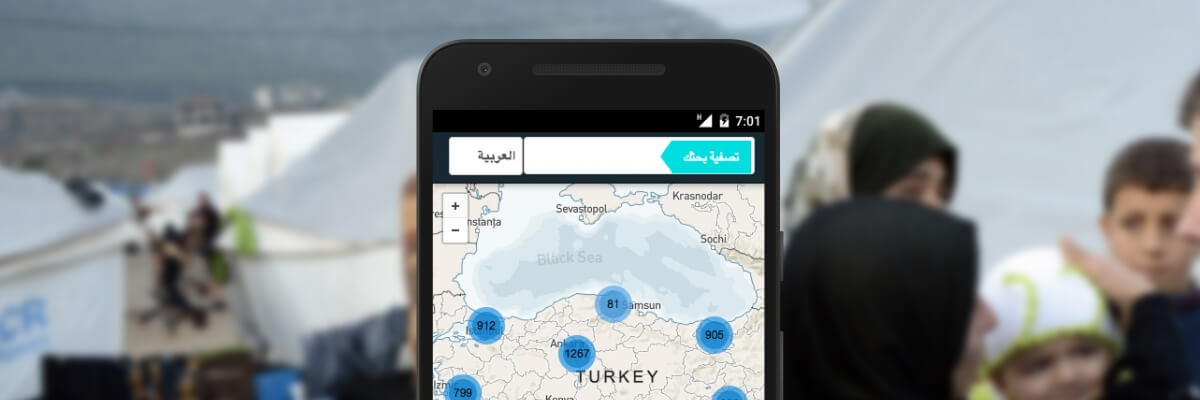
Another web app called Shifra helps refugees gain access to evidence-based sexual and reproductive health information and services. It also has a feature directing users to trusted local clinics where they can access respectful and safe care.
Considering the first-hand traumatic experience of millions of refugees, it does not come as a surprise that this demographic is at higher risk of mental health disorders. A study conducted by the Swedish Red Cross found out that one in three Syrian refugees suffers from depression, anxiety, and symptoms of post-traumatic stress disorder. “There are barely any mental-health services in refugee camps,” Eugene Bann, co-founder of X2AI a Silicon Valley-based startup, told the Guardian. “People have depression, anxiety, a sense of hopelessness, and fear of the unknown.” Bann’s company went on to create Karim, a personalized chatbot designed to provide emotional support through conversations to refugees.
When it comes to education, it’s mostly about websites and services rather than apps that are present to help refugees. For example, Power.Coders offers programming training to refugees in three cities (Zurich, Lausanne and Turin) and later places them in an IT internship. Thanks to the organization’s help, about 60% of participants find a job in the IT sector following the internship. Paper Airplanes on the other hand provides free, peer-to-peer language and professional skills over video conferencing to people from areas of conflict in the Middle East and North Africa region.
Duolingo: breaking barriers
Counting over 300 million global users, Duolingo is a free language-learning service. Available as a smart device app and on browsers, it uses gamification, complete with achievements, power-ups and leaderboards, to teach a desired language (the service counts over 30 languages available to learn) in a fun and interactive way. It’s a really cool way to finally be able to learn another language like Japanese so that you can watch those anime without subs. But bypassing subs isn’t the only use it has.
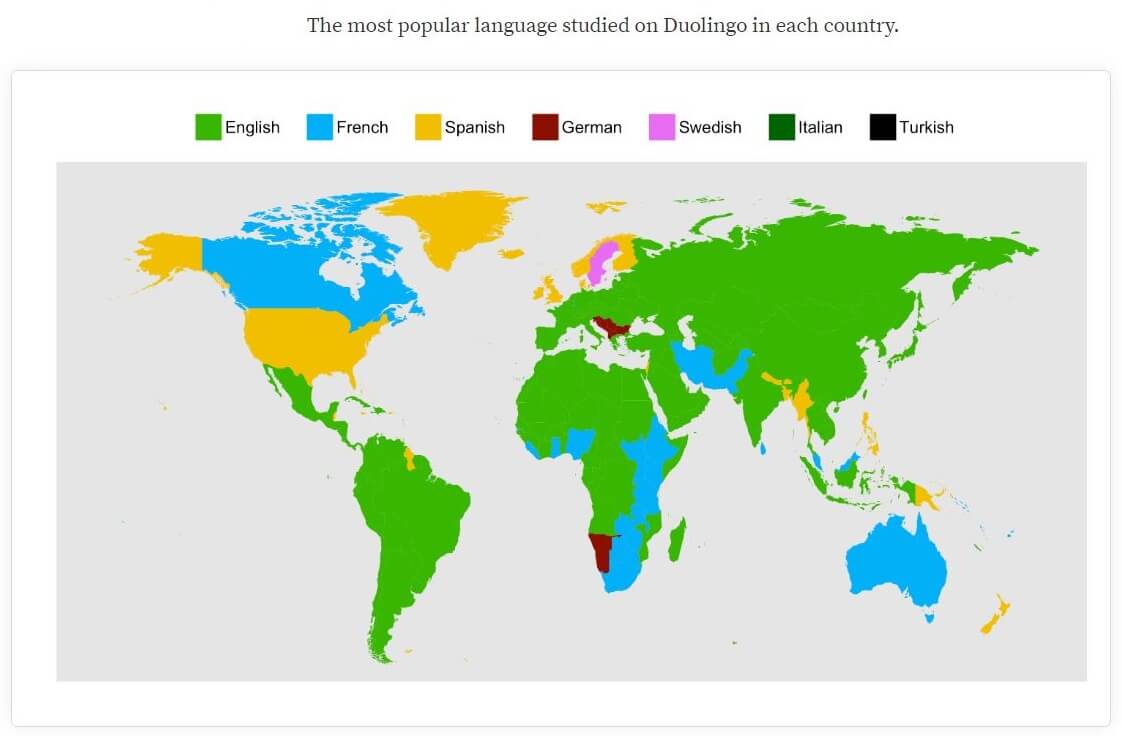
Interestingly, Duolingo has actually been used to learn the native language in countries around the world. For one, Swedish is the most popular language to learn via the app in Sweden itself! This reflects the increased number of refugees migrating to the country in recent years. For similar reasons, English and Norwegian are the second most popular languages in the U.S. and Norway respectively, according to a Duolingo report.
Moving to a foreign country can be doubly challenging with a language barrier. Seemingly simple tasks like asking for directions or buying food can turn out to be a real ordeal. But thanks to apps like Duolingo, overcoming this additional hurdle can help refugees ease their daily struggles.
Portable diagnostic devices: hospitals on-the-go
Refugees very often end up in refugee camps or if they are even less lucky, in areas without any formal refugee camps. In Lebanon, about 70 percent of Syrian refugees live below the poverty line, with no access to camps nor vital services. Those people are in dire need of support and medical care. Humanitarian aid does not need formal infrastructures to deploy healthcare services to those in need and with the advent of portable diagnostic devices, quality care outside of clinics is a reality.
Tools like the Philips Lumify Portable Ultrasound can be used to run quick assessments and even estimate gestational age of fetus in refugee camps or non-profit centers. The doctor’s signature device, the stethoscope, has also had a digital boost like the eKuore Pro, which allows users to record their findings and share them should they need a second opinion.
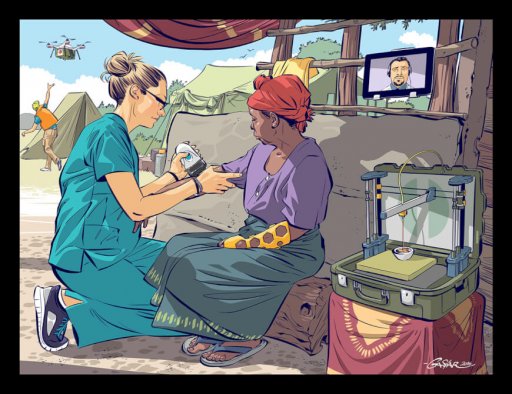
Our favourite device would be the Viatom Checkme Pro or the closest thing we have to Star Trek’s medical tricorder to date. This handheld portable tool is quite multi-faceted functioning as a health tracker, ECG monitor, thermometer, sleep tracker and also measures your blood oxygen saturation and blood pressure. More than tingling your inner geek self, the Viatom Checkme Pro poses as an adequate medical Swiss knife for medical aid in humanitarian crises.
3D printing: replacing the lost
As sci-fi as this may sound, 3D printing of limbs is possible and is being done to replace lost limbs of refugees from war-torn areas. One of the leaders of this movement is Refugee Open Ware, an NGO that works to, among other initiatives, provide refugees with 3D-printed prosthetics for free using open-source designs. The latter are made in 36 hours at a production cost of $50 (but offered free of charge to refugees thanks to donations).
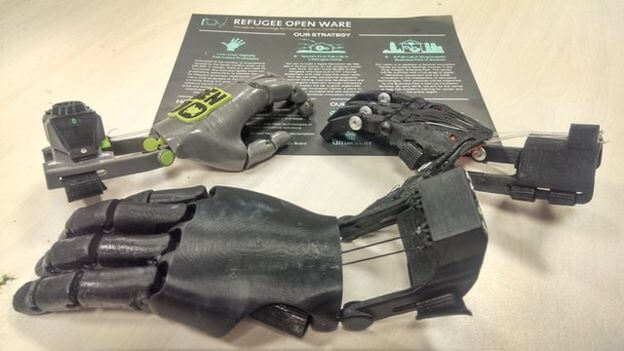
We are far from printing life-like arms like Luke Skywalker’s from The Empire Strikes Back but we’d argue that we’re off to a pretty good start!
Social media: it can also be a force for good
Social media has often been decried as the scourge of our era. Comedian Sacha Baron Cohen even recently labelled the likes of Facebook, Twitter and YouTube as the “greatest propaganda machine in history” in his excellent talk at the Anti-Defamation League. However, buried among a pile of fake news and hate speeches that plague those outlets are instances of noble actions.
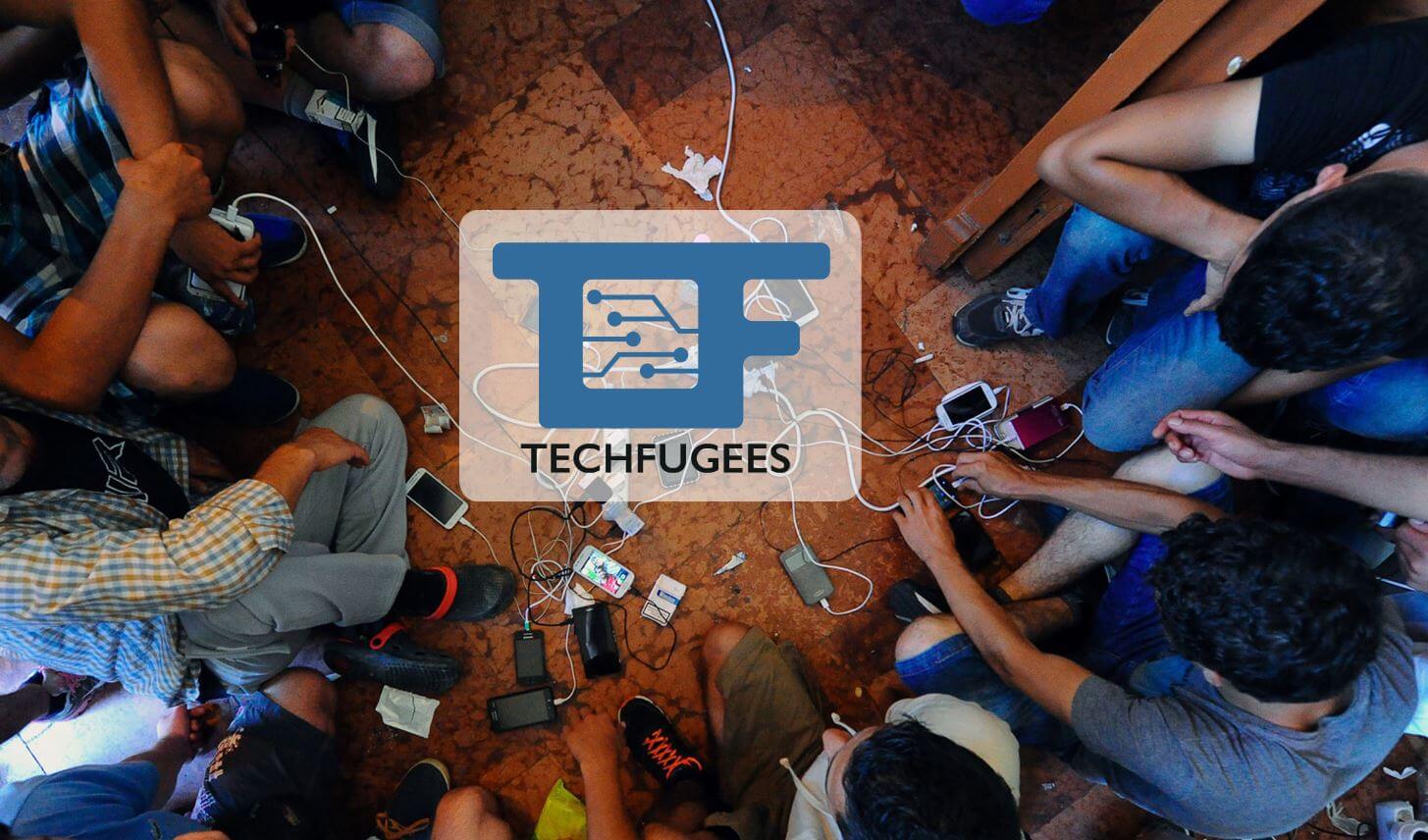
Starting as a Facebook group in 2015, Techfugees grew to become an international non-profit which holds challenges, hackathons and even Summits gathering entrepreneurs, engineers, humanitarians, policymakers and more to discuss the impact of technology on refugees and respond to their needs with the help of technology. The previous Summit held in 2018 featured a competition which generated several projects involving apps and software aiding refugees with access to healthcare, education, or simply to get their bearings around a new country in their native language.
Blockchain: to prevent literal identity crises
According to the World Bank, 1 billion people do not have an official proof of identity. This puts those people in need in further crisis – a literal identity crisis – which hinders their access to facilities like funding, shelter and even healthcare services. However, current efforts don’t always avert this additional issue that refugees face. For example, organizations like the UNHCR provide documentation for refugees who enter their camps, but it isn’t well tracked after they leave the camp.
To circumvent this, some are advocating for blockchain to provide a means to build the identities of displaced people. A working example is the project undertaken by New York City-based startup Blockchain for Change (now Blockchain for Social Impact). This company is using blockchain technology to provide the city’s homeless people with digital identities so that they can have access to the likes of government services, shelter and finance. Implementing a similar use of blockchain to help refugees around the world gain access to vital services is definitely within the realm of possibility.
Of course, help for displaced people cannot only be attributed to technologies. At the very core, that help relies on human goodwill and empathy. Those technologies listed above can aid volunteers, organizations and other stakeholders in helping refugees in their endeavours.
Ultimately, without the input of the people creating, maintaining and updating those apps, devices and technologies, the latter wouldn’t even serve their purpose. Nevertheless, we aimed to highlight those in this article in the hopes that more such initiatives will happen.
|
At The Medical Futurist, we are building a community for making a bold vision about the future of healthcare reality today. If you’d like to support this mission, we invite you to join The Medical Futurist Patreon Community. A community of empowered patients, future-oriented healthcare professionals, concerned health policymakers, sensible health tech developers, and enthusiastic medical students. If there were ever a time to join us, it is now. Every contribution, however big or small, powers our research and sustains our future. Click here to support The Medical Futurist from as little as $3 – it only takes a minute. Thank you. |