Our Top 8 Digital Health Solutions Addressing Long COVID
Yes, the COVID-19 pandemic is long. Since the WHO characterised the virus’ spread as a pandemic in March, cases have been climbing; countries are facing […]

8 min | · Updated

Yes, the COVID-19 pandemic is long. Since the WHO characterised the virus’ spread as a pandemic in March, cases have been climbing; countries are facing a second wave and are entering lockdown 2.0; and many aspects of our current lifestyle will continue through 2021. But this isn’t what we mean by “long COVID.” This newly-minted term refers to patients experiencing long-term sequelae of a COVID infection.
It’s not an exact medical term as it is a patient-made one apparently first used by Elisa Perego in a tweet to describe her own experience. Additionally, two patients can have different #longcovid experiences, with different symptoms, which can last for a month or as long as 12 weeks. But even though this juvenile term is not part of medical terminology yet, it might soon be. “We’ve got no doubt long Covid exists,” Professor David Strain, from the University of Exeter, told the BBC. At his Chronic Fatigue Syndrome clinic, Prof. Strain is already seeing those he describes as long-Covid patients. Other researchers in Italy, Ireland and the U.K. have reported persistent symptoms in COVID-positive patients after getting discharged. As such, it’s likely that such a condition is experienced by post-COVID-19 patients elsewhere as well.

The most common symptom of such patients is extreme fatigue; but there are a wide range of long COVID symptoms from persistent cough through mood changes to the onset of diabetes. Such long-term complications aren’t uncommon with viral infections. Over 1 in 10 people with glandular fever will experience prolonged fatigue lasting for six months or more after the initial infection. The 1918 Spanish Flu pandemic was suggested to be linked to Parkinson’s-like symptoms. Some of those infected during the SARS and MERS outbreaks also reported long-term health problems; both of which are members of the coronavirus family.
And digital health in all that?
However, unlike previous outbreaks, in 2020 we are living in the digital health age when technologies available today weren’t so widespread until a couple of years ago. Hence, we decided to explore the digital health technologies that could help manage some long COVID symptoms right at home.
1. Extreme fatigue: Getting that extra motivation
Exercise and fatigue are known to be linked in a somewhat vicious circle: if you’re fatigued, you’re less inclined to exercise; but regular exercise increases energy and reduces fatigue. “More than 90% of the studies showed the same thing: sedentary people who completed a regular exercise program reported improved fatigue compared to groups that did not exercise,” says researcher Patrick O’Connor. “It’s a very consistent effect.“
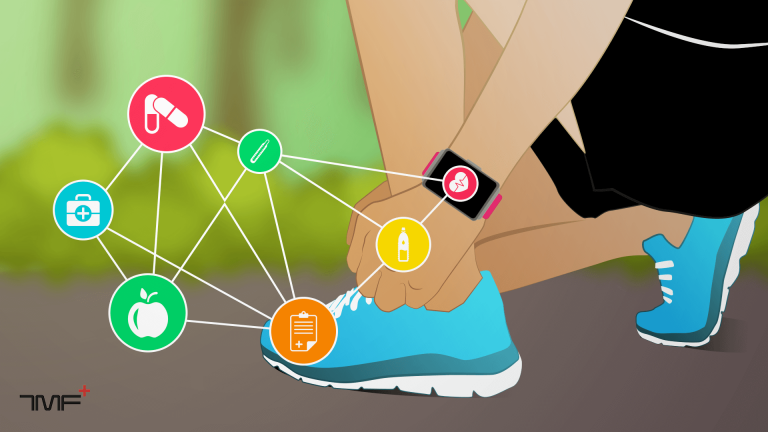
And to start exercising, all you need’s a little motivation. For this, fitness trackers and smartwatches like a Fitbit or TicWatch can help. They send regular notifications to nudge you to take a few steps every hour, which accumulates to thousands of steps by the end of the day. Keep in mind that it’s not rigorous exercise but rather daily walks that get the engines running. Full-blown physical activity after recovering from an infection like COVID-19 can do more harm than good.
2. Low grade fever: Keeping tabs on your body temperature
Such a symptom can leave one bedridden for hours; without mentioning the lingering pesky side-effects like headaches and muscle aches. Seeking medical care and taking medication on time could avert such complications. A device like the Oura Ring measures the user’s body temperature continuously; a feature uncommon in other wearables.
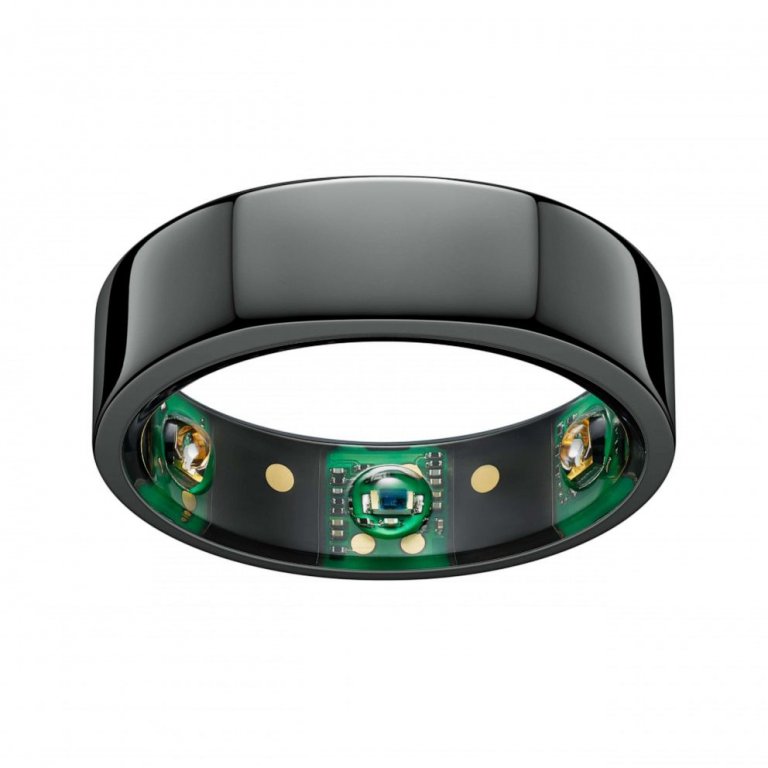
The smart ring also monitors other parameters such as sleep patterns, heart rate and activity levels. It even alerted a symptomless user of a potential illness who later tested positive for the novel coronavirus. This prompted researchers to investigate whether the device can be used as a potential early COVID-19 detector.
3. Inability to concentrate: Try a game!
Among long COVID symptoms is the so-called “brain fog.” It refers to the inability to concentrate as a result of the virus causing brain cell damage or brain inflammation. Some 70% report such concentration issues. To improve one’s cognitive functions, some specifically-designed games for this purpose have shown efficacy.
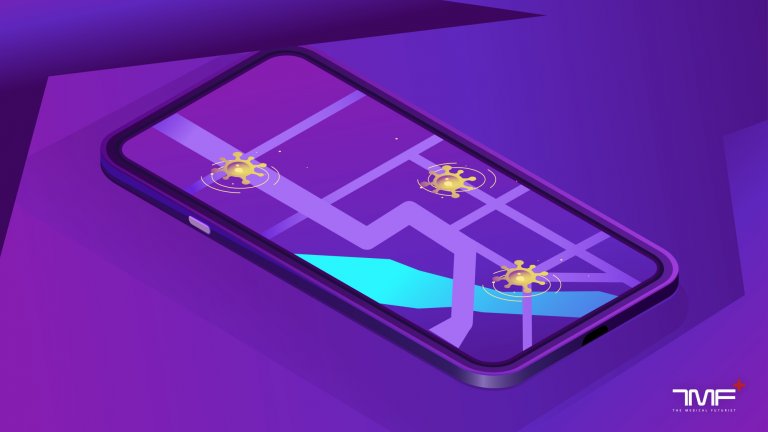
Researchers from the University of Cambridge created Decoder, a game which showed improved concentration among its users. It is now part of the Peak app. There’s also Lumosity, an app designed by neuroscientists that uses principles of neuroplasticity to improve brain function.
4. Mental health complications: Apps and devices can help
COVID-19’s psychological toll is felt by many, but those infected by the virus can have more devastating long-term impacts on their mental health. Some report mood changes and even the onset of conditions like depression and anxiety as a result of long COVID.
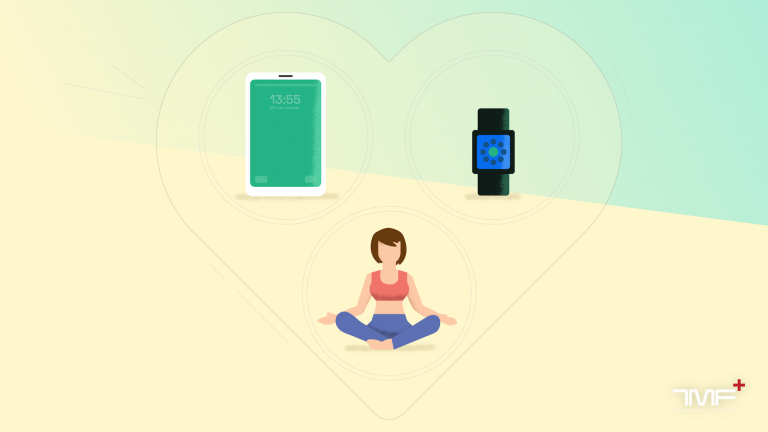
Several studies have shown that meditation can improve mental health. In a recent article, we explored how dedicated meditation headbands like the Muse S and BrainLink Pro help initiate one to the practice. With guided meditation sessions and quantifiable data, they make the meditation more accessible. There are also apps designed for the same purpose such as Smiling Mind and Headspace.
5. Sleep difficulties: Track it to improve it
Improper sleep will not only make you get on your day less optimally but also has far-reaching consequences. Lack of sleep is linked to conditions like high blood pressure, diabetes and obesity; while chronic sleep deprivation suppresses the immune system. Exercise and meditation help in improving sleep, but a sleep tracker gives additional insights into your sleep quality.
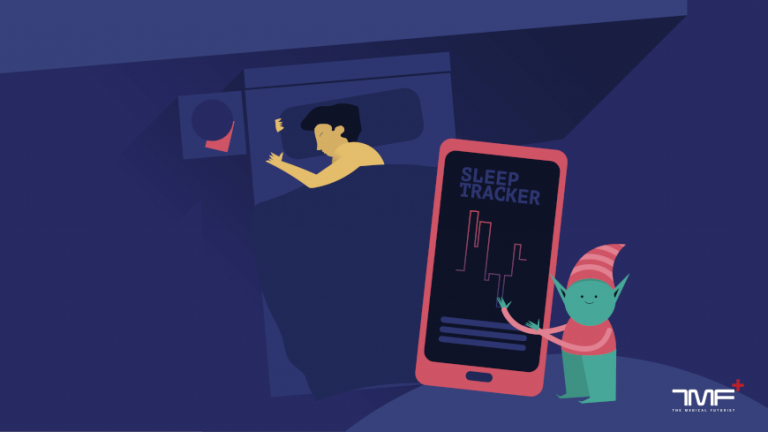
Sleep tracking apps and devices like Sleep as Android and Philips SmartSleep provide such analyses. You can thereby use them to better adjust your routine in order to achieve your optimal sleep; maybe you should skip on the afternoon coffee or you should exercise earlier. Additionally, some trackers come with a smart alarm feature that will wake you up at the best time every morning for you to feel fresh.
6. New onset of diabetes and hypertension
Such chronic conditions are debilitating for most, but new technologies make them more manageable. For instance, the mySugr app helps diabetics reinterpret their conditions as one they can manage better and live alongside with. The diabetes management app uses gamification to motivate patients to keep their glucose level at a desirable one. The app pairs with Roche’s Accu-Chek Guide glucose meter to augment patient experience; and as of 2019, it allows data integration of the Eversense XL Continuous Glucose Monitoring sensor. Along with the mySugr app, the latter provides continuous, near-real time visualisation of glucose level for better insights and management by the patient.
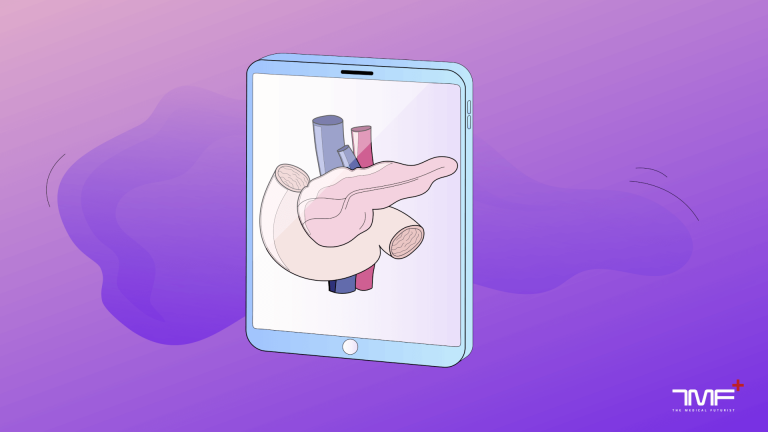
As for hypertension, the portable iHealth Clear measures the systolic, diastolic blood pressure and heart rate in just 30 seconds. It also connects to a smartphone that allows sharing results with a physician remotely for monitoring. Omron showed the future of hypertension management with the Omron HeartGuide. The latter is a smartwatch with an integrated blood pressure cuff.
7. Skin rash: Let the A.I. take a look
Self-checking rashes by the naked eye to monitor progression isn’t the most optimal method. Thankfully, A.I.-based skin checker apps like SkinVision and Cureskin can help in that regard.
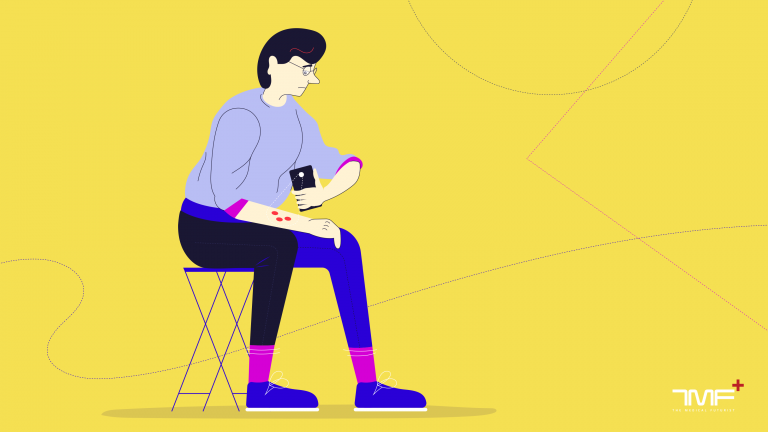
After taking pictures with a smartphone camera, these apps analyse skin lesions, offer recommendations and send reminders to keep track. They can even connect you to a dermatologist remotely for expert assessment. They can thereby prescribe appropriate ointments to ease those rashes.
8. Shortness of breath: Take deep breaths with wearables
For this complication of long COVID, wearables are helpful. The WHOOP is one such device that measures respiratory rate, or the number of breaths per minute. Researchers deem it to be among the most accurate non-invasive methods to do so.
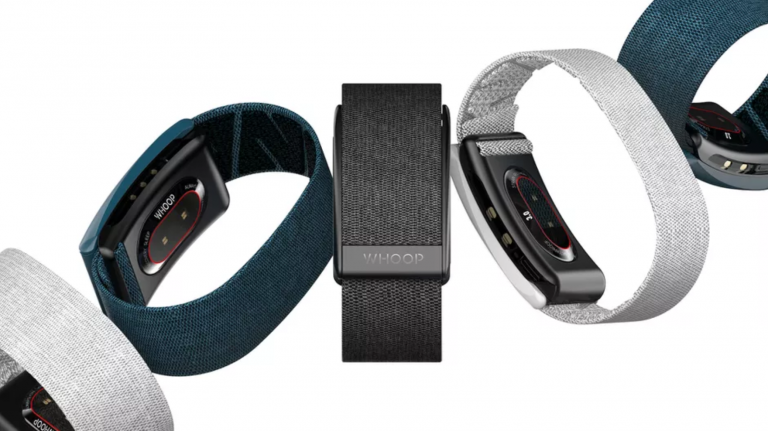
Similarly, the Oura Ring also measures the user’s respiratory rate. Such data collected by patients are easily shareable remotely to caregivers for monitoring purposes.
How long is long COVID?
Even with all the tech at hand, no one wants to live with long-term health issues from a SARS-CoV-2 infection. Dr. Anthony Fauci estimates that between 25% and 35% of COVID-19 patients experience such symptoms. But long COVID is still under investigation and we don’t know exactly for how long it can last nor all of the associated symptoms. The good news is that it is gaining the attention of the medical community, meaning those affected will get better support.
In Britain, the NHS started to set up specialist centers for the treatment of Long Covid. In Australia, the Royal Australian College of General Practitioners issued a new guide for Australian GPs addressing such complications. It advises GPs to closely monitor post-COVID-19 patients and provide adequate treatment and support.
Such responses from healthcare systems can further combine digital health tools to improve patient experience. Furthermore, the remote monitoring solutions they offer make them well-suited options in the pandemic.