Healthcare On The Dark Web: From Fake Doctors To Fertility Deals
Explore the medical dangers of the dark web, like fake drugs, stolen medical data, and organ trafficking, and learn what medical professionals need to know.

7 min |
Key Takeaways
The dark web is a breeding ground for illegal activities that threaten patient safety, including counterfeit drugs, organ trafficking, and stolen medical data.
Despite its notorious records, the dark web also has perfectly legitimate uses, even for everyday folks.
Medical professionals and regulators must be aware of its dangers to avoid risks and educate patients.
According to widely available data, about 90% of the internet lies below the “visible” layer we interact with daily – beyond the reach of search engines like Google. This massive portion is called the deep web and contains databases, academic archives, and other data not indexed by standard search engines.
Within this hidden space, there exists a much smaller and more notorious corner: the dark web. Estimates of its size vary, but it is believed to comprise anywhere from 0.1% to 6% of all internet data. The dark web is often linked to illegal activities like the sale of illicit drugs, weapons, child abuse, and counterfeit goods. However, it also serves legitimate purposes, including protecting the anonymity of journalists and whistleblowers in oppressive regimes, and is the platform for accessing niche information for research purposes, or geographically restricted content.

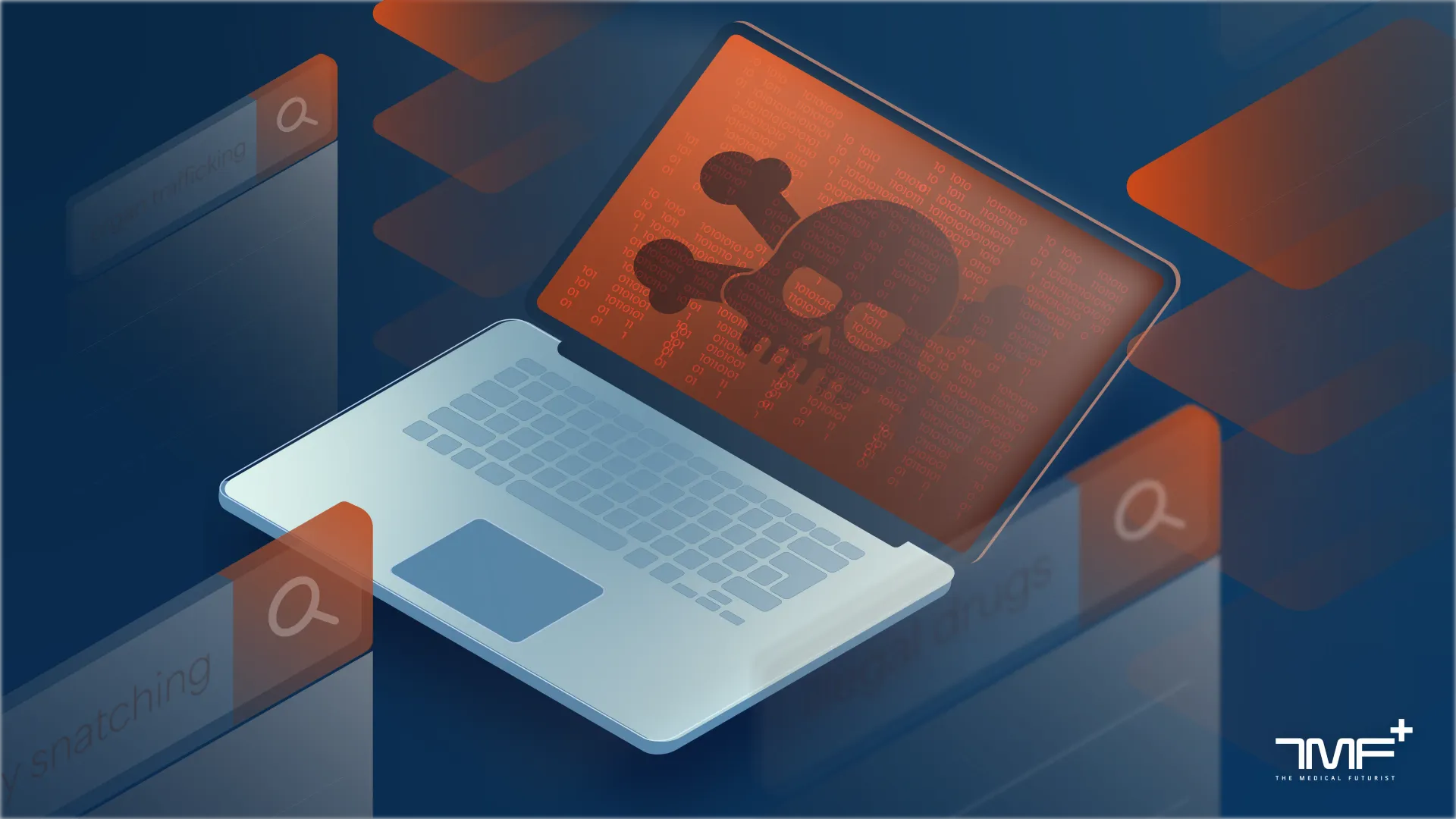
That said, the dark web has some corners healthcare professionals, regulators, and policymakers need to know about. From fake doctors to the trade of counterfeit medicines and the illegal trafficking of organs, there are significant threats to patients. As healthcare providers, it is crucial to be aware of these illicit activities.
For the sake of transparency: I did not browse the dark web sites mentioned but relied on trusted online sources and experts.
What is the dark web?
The dark web is a hidden part of the internet that requires special software, such as the Tor browser, to access. Unlike the surface web, which is indexed by search engines, the dark web operates with a focus on privacy and anonymity. While this environment can protect users from surveillance and censorship, it also creates a haven for illegal activities. Though its reputation is primarily associated with crime, the dark web also provides secure communication channels for anyone operating in hostile environments.
How to use the dark web safely?
The most recommended browser for “beginners” is Tor, which stands for ‘The Onion Router’. The Tor network was originally developed by the U.S. Naval Research Lab as a system of decentralised, anonymous nodes enabling anonymous online communication. It is the most popular dark web browser because of its security and privacy.
Most sources also recommend using a VPN service before launching Tor, and some even go so far as to recommend using an entirely different operating system (like Tails, running from a USB stick) for all your dark-web-related activities.
Once you are there, you’ll need to use a dark web search engine. DuckDuckGo is the most well-known, ensuring private browsing. Note that dark web sites don’t come with easy-to-remember addresses, and they tend to vanish from one day to the next. As you can see, major news outlets also have their dark web mirrors, where they can receive tips and information from sources worried about their safety.

Threats on the dark web
We also have to note that browsing the dark web has its risks, even if your aims are legitimate. The main risks you’ll face are:
- Malicious software
- Online scams
- Government authorities (although they don’t haunt legitimate users)
It is generally good practice not to click on random dark web URLs, and if you are venturing to discover the deep and/or dark web, make sure to follow the tips for safe navigation posted here.
Now let’s see what is on the dark web medical professionals and regulators should know about!
1. Stolen patient data for phishing and AI development, insurance fraud
The dark web is notorious for the sale of stolen patient data, including medical records, personal information, and even genetic data, due to the wealth of personal information This data can be used for identity theft, blackmail, or creating fake insurance claims. More recently, the rise of AI technologies has introduced another risk: bad actors acquiring medical data to train unauthorised or unethical AI models, raising concerns about privacy violations and the misuse of sensitive health information.
2. Illegal prescriptions for illicit drugs, such as opioids
The dark web is a marketplace for illegal prescriptions, often for highly addictive substances like opioids. These fake prescriptions are sold to individuals who may not have legitimate medical needs, fueling the ongoing opioid crisis.
3. Counterfeit medications that are ineffective or even dangerous
Counterfeit medications are a serious concern on the dark web, where unregulated vendors sell drugs that are often mislabeled, ineffective, or even harmful. These fake medicines may contain incorrect dosages, harmful additives, or no active ingredients at all, putting patients at significant risk. From life-saving treatments to everyday prescriptions, counterfeit drugs can lead to treatment failures, worsening conditions, or severe side effects.

4. Organ trafficking and cadaver sales
The dark web is a hub for illegal organ trafficking and the sale of human cadavers. Desperate individuals or criminal organizations may attempt to profit from selling organs, often harvested under unethical or illegal circumstances. These organs are sometimes transplanted into patients who bypass official medical channels, posing severe health risks and legal consequences. Additionally, cadavers are sold on the dark web, sometimes to medical students or researchers who are unwilling or unable to obtain them through legal means.
5. Guides for insurance fraud and medical scams
If you are looking for detailed guides and tutorials on how to commit insurance fraud and other medical scams, the dark web is where you should go. These manuals provide step-by-step instructions on how to manipulate healthcare systems, falsify claims, or exploit loopholes in insurance processes.
6. Fake vaccine certifications and other medical certificates
The dark web has become a marketplace for fake vaccine vaccination certificates and other medical documents, including fit-to-work certifications. These forged documents allow individuals to bypass public health regulations, travel restrictions, and employment requirements without actually meeting the necessary health standards. Not to mention that fake medical certificates, such as fitness assessments, can lead to unqualified individuals performing high-risk jobs.
7. Stolen or used medical equipment for illicit activities, including illegal biohacking
Stolen or used medical equipment can be repurposed for various illicit activities, including illegal biohacking. These devices, ranging from surgical tools to diagnostic machines, are often sold without proper sterilisation or regulatory oversight to underground clinics or by individuals experimenting with biohacking.

8. Illegal surgical tools and services, including plastic surgery
Patients seeking low-cost alternatives to legitimate care can also turn to dark web resources to find medical services, including plastic surgery. There is no shortage of available procedures from cosmetic enhancements to more invasive surgeries, often performed by unqualified individuals using unsafe equipment. These illegal operations can result in severe complications, infections, disfigurement, or even death.
9. Fake doctors for hire
On the dark web, individuals can hire fake doctors who are willing to impersonate licensed medical professionals and can pose as experts in online content, legal, or insurance cases. However, with the rise of deepfake AI video content, the business of fake doctors creating content will likely come to an end.
10. Illicit fertility treatments and black market trade in sperm and eggs
This online realm also facilitates the illicit trade of fertility treatments, including the buying and selling of sperm and eggs. These transactions often occur without any medical oversight or adherence to ethical guidelines, putting both donors and recipients at risk. Buyers may receive unverified or untested genetic material, leading to potential health complications or fraud. Additionally, the lack of regulatory scrutiny means that both parties are vulnerable to exploitation, with risks of diseases being transmitted or fertility treatments being improperly administered.
Patient education is a must
While small in comparison to the entire internet, the dark web represents some valid threats to the medical field. From the sale of counterfeit medications and stolen patient data to illicit organ trafficking and unlicensed fertility treatments, lives can be at risk. It is crucial to stay informed about these threats and educate patients.
While this depth of the Internet is often associated with crime, we must remember that it also serves legitimate purposes in protecting privacy and freedom of speech. However, the dangers it presents cannot be ignored.