Digital Health And The Ebola Epidemic: How Not To Let It Go Viral
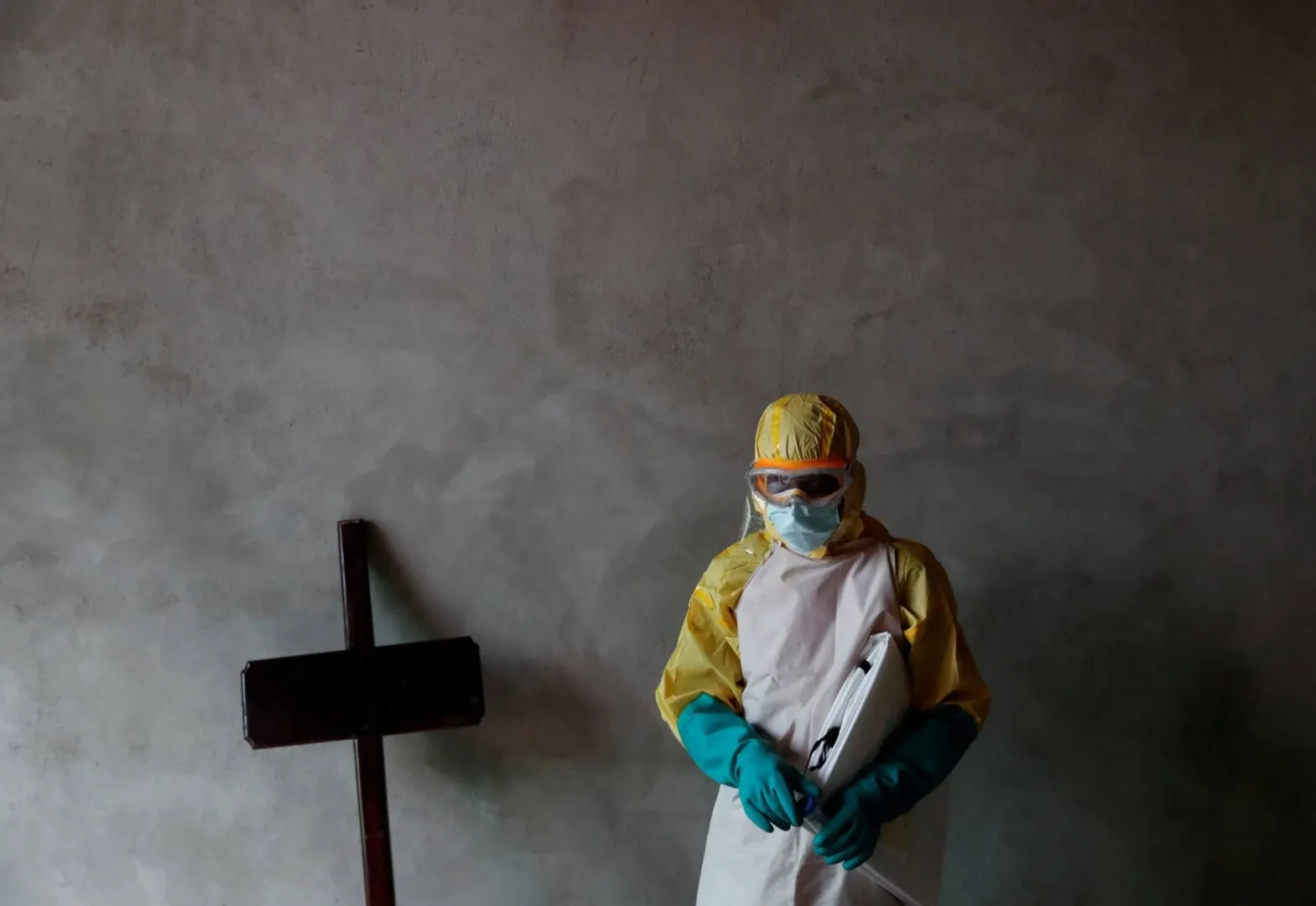
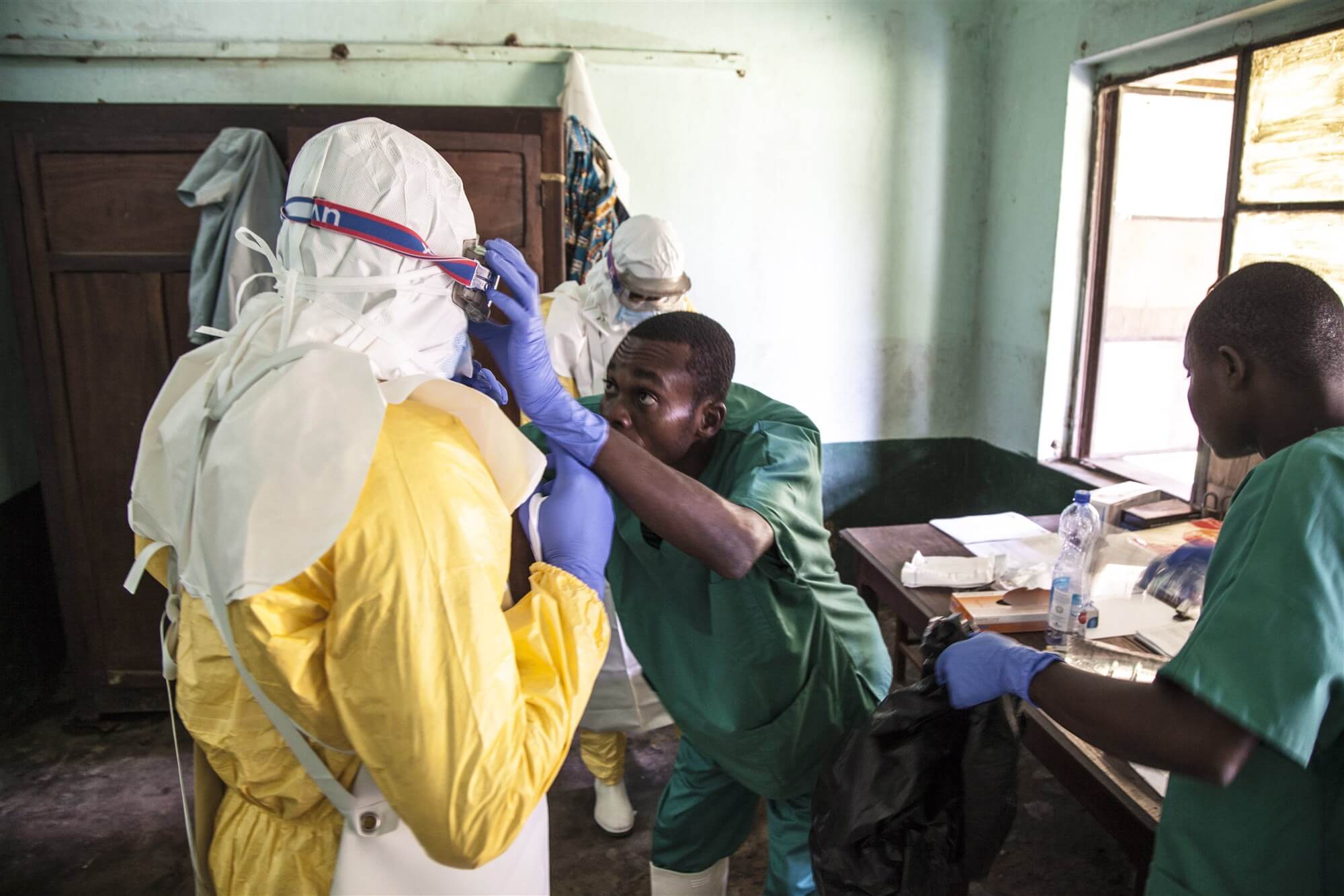
More than 1,500 deaths and 2,500 people sickened – that’s the recent account of the ebola outbreak in the Democratic Republic of Congo (DRC) raging in the country since last August, and recently declared a public health emergency of international concern. Experts say efforts to contain the virus are hindered by biological, public health, political, and cultural issues, but we looked around what digital health technologies could do to mitigate the spread and the devastation of the infectious disease.

10 min | · Updated
|
THIS ARTICLE HAS NOT BEEN UPDATED SINCE 2019. THE INFORMATION SHARED IN THE ARTICLE WAS ACCURATE AT THE TIME OF ITS PUBLICATION, BUT IT MAY BE OUT OF DATE NOW. BROWSE OUR LATEST ARTICLES HERE |
More than 1,500 deaths and 2,500 people sickened – that’s the recent account of the ebola outbreak in the Democratic Republic of Congo (DRC) raging in the country since last August, and recently declared a public health emergency of international concern. Experts say efforts to contain the virus are hindered by biological, public health, political, and cultural issues, but we looked around what digital health technologies could do to mitigate the spread and the devastation of the infectious disease.
The Spaghetti-like virus…
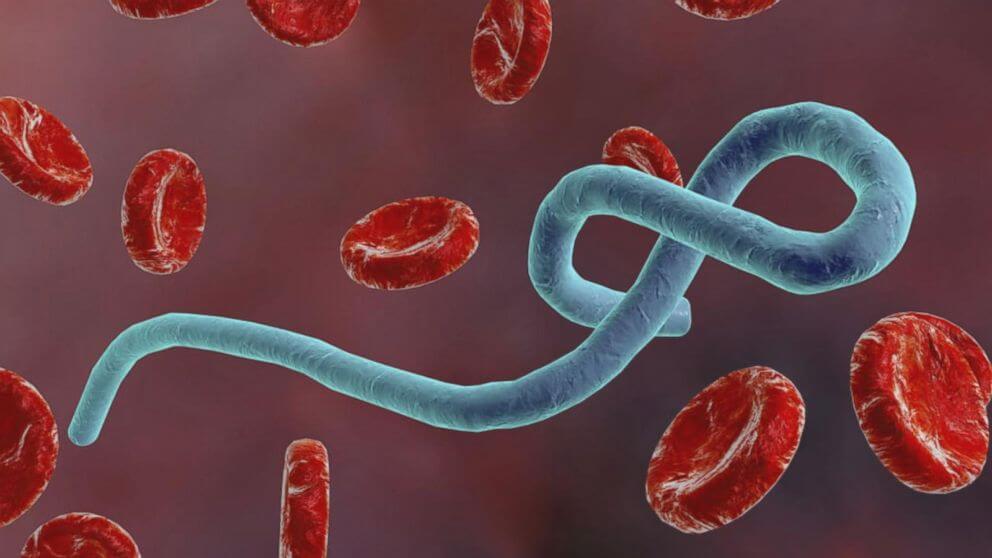
The lethal Ebola virus first appeared in 1976 around a river in Congo – it was named after this watercourse – but its exact origins are still unclear. The tiny pathogen looks like a particular type of spaghetti under the microscope, but its behavior is merciless and bloody. It works its ways into cells, creates countless copies of itself, and destroys the connections between tissues, causing organ failure and leaky blood vessels, essentially dismantling bodies from the inside out. In its most extreme form, the viral hemorrhagic fever leads to uncontrollable bleeding and death.
The virus is transmitted to people from wild animals (such as fruit bats, porcupines, and non-human primates) and then spreads in the human population through direct contact with the blood, secretions, organs or other bodily fluids of infected people, and with surfaces and materials (e.g. bedding, clothing) contaminated with these fluids. That means Ebola is not the most infectious disease out there, however, its high fatality rate – the average case fatality rate is around 50 percent – makes it especially dangerous.
…rampaging through Western Africa
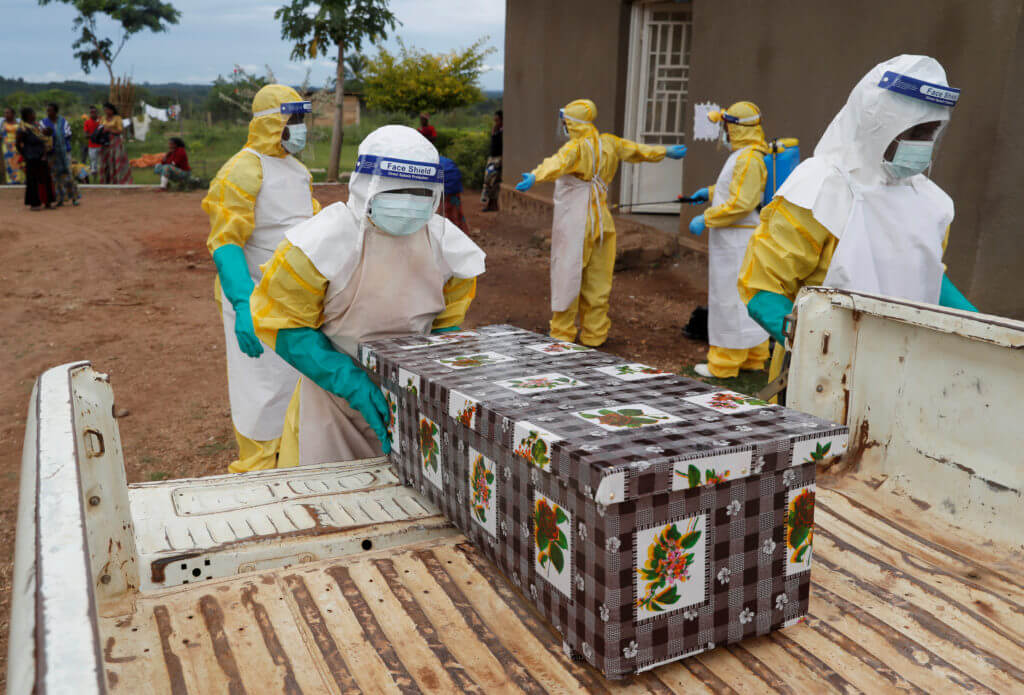
Since its first appearance, several outbreaks have decimated first of all the population of Africa. The largest Ebola epidemic to date rampaged through West Africa from 2014 to 2016, killing more than 11,300 people. It seemed that the virus was contained there but a year ago it started to claim victims again in the Democratic Republic of Congo (DRC). The WHO classified the recent outbreak as a level 3 emergency, the most serious, as it continues to cause casualties in the hundreds.
Unfortunately, there are several factors which hamper the fight in the current situation. The region is plagued by political conflicts and continuing violence. As distrust is deeply rooted, the locals are mistrustful towards foreign aid groups and medical teams, which makes the management or prevention of the disease very difficult. Moreover, looking at the disease itself, the infection is spreading among an unusually high number of children and killing a large percentage of people before they’ve sought or received treatment in Ebola centers staffed by local and international aid workers. Now, teams trying to track the spread of the disease are finding fresh cases with no obvious connection to previous patients.
So far, the most efficient solution seems to be Merck’s experimental rVSV-ZEBOV Ebola vaccine, which is used for individuals getting in contact with Ebola patients, as well as the contacts of those contacts – to create a ring of immunization. So far, more than 135,000 people have received the vaccine in the current outbreak. However, the vaccine is only good for prevention and cannot be used for treating Ebola patients. So far, only experimental treatments exist, while the only advice for doctors is to hydrate until the immune system fights off the disease.
Looking at the hardships that public health agencies as well as the local population face, we asked the question what digital health could do in this situation and whether it can offer some ways to alleviate the epidemic. Here are some promising examples.
Monitoring the Ebola epidemic through digital maps in real-time
Monitoring and surveillance are the areas where digital technologies truly excel, especially when it comes to epidemics. Coordinated and flexible data systems, such as digital maps, can identify health trends, predict medicine stockouts, or detect outbreaks far faster and more efficiently than any other systems. For example, researchers, using data from NASA satellites (such as the Landsat series), were able to predict malaria outbreaks three months in advance in South America by identifying areas where the soil moisture creates prime breeding grounds for the mosquitoes that transmit malaria.
In the DRC, the Ministry of Health partnered with a non-profit organization, PATH, which aims to harness the power of data and digital tools, to collect and analyze high-quality data about the Ebola epidemic leading to efficient, data-based decisions. Using the existing National Health Information System, PATH created a dashboard for monitoring Ebola cases. Updated daily, this dashboard provides real-time information on important indicators like the epidemic curve, case data, contact-tracing, treatment, and timelines. Not only PATH, but the US Centers for Disease Control and Prevention (CDC), the WHO, and other partners worked together to create digital maps, graphs, and charts displaying different aspects of the outbreak in real-time. All-day, data are a constant reminder of what has been accomplished and what still needs to be done. Moreover, Ebola experts in Kinshasa, West Africa, and Atlanta can have direct access to the data, and more importantly, to the people at the center of the outbreak. Advice, decisions, and problem-solving can happen in real-time.
In the future, such a rich collection of data might be used for the creation of smart algorithms generating more insights and predictions regarding the disease, moreover, these analytical software programs could also be built into apps or guidelines such as the Ebola Care Guidelines.
As the government of the DRC also recognized the power of data, the Ministry of Health in March 2019 launched a national agency for clinical information and health informatics (ANICiiS). With a mission to improve management of the health care system, quality of care, and accessibility of services, the ANICiiS is the country’s first dedicated digital health agency. It promises to oversee and accelerate the use of new technologies, including telemedicine, connectivity for the health information system, and biomedical equipment. To celebrate the launch of the new agency, the Ministry brought more than 50 students together for an Ebola-focused hackathon for improving the arsenal against Ebola. While we didn’t find detailed information about their ideas, we found plenty of other digital health innovations that could support the containment of the outbreak.

Keeping everyone up-to-date
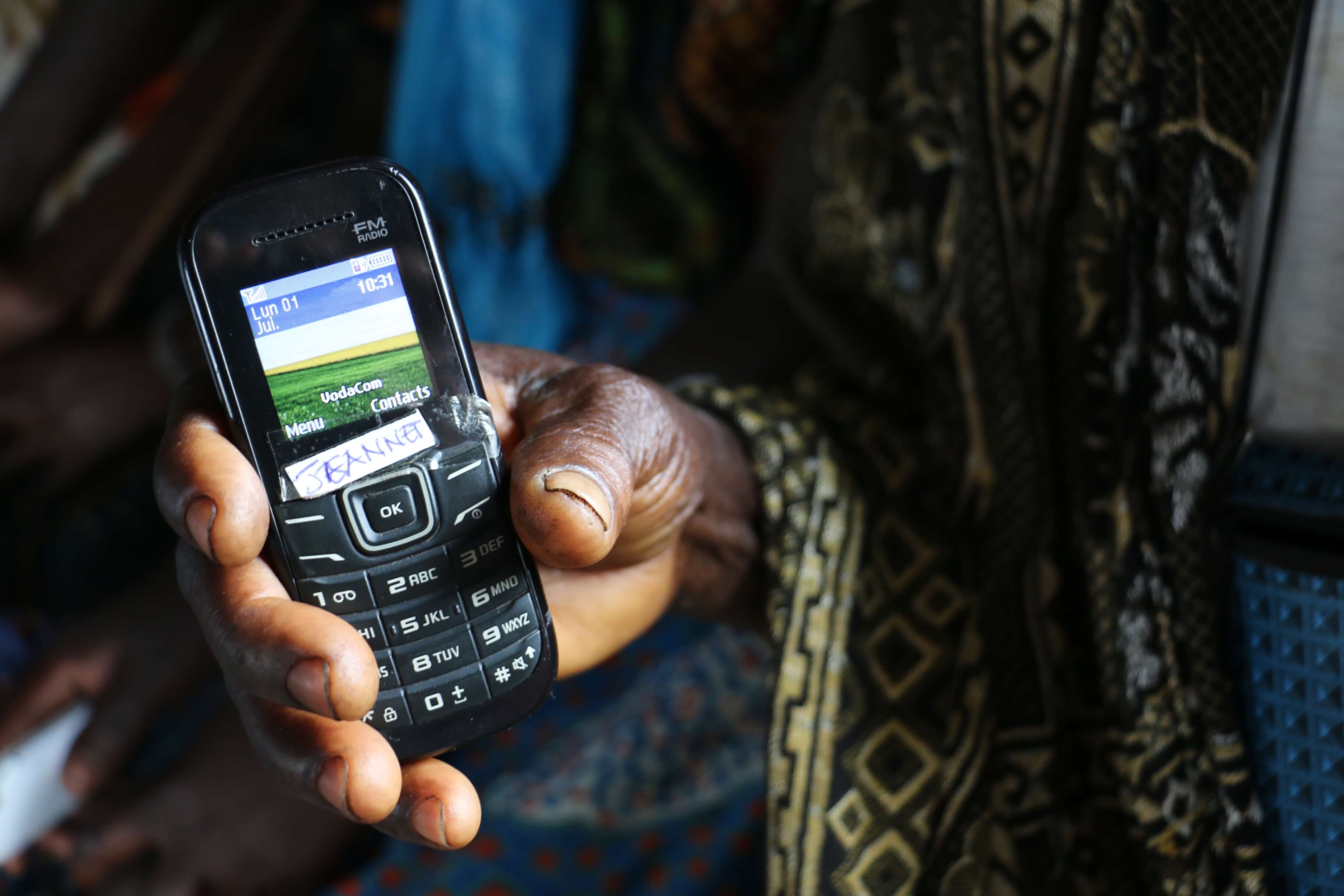
Family support matters a lot in cases of medical emergencies. Elaine Burroughs, a Save the Children staff member and TechChange alumna of Mobiles for International Development, said that during the epidemic in West Africa the medical care teams were using their local Wi-Fi network to connect patients in the isolation ward with their relatives through video calls. In situations where such calls were not possible, they provided patients with cheap mobile phones to talk to relatives.
During the 2014-2016 epidemic, various SMS systems were also set up to share credible information. mHero is such a system specifically designed to share information with health workers. In response to the outbreak, UNICEF launched the Rapidpro free source platform, which provided SMS messaging in Sierra Leone that had no need for internet, a sophisticated phone or even phone credit. The initiative was widely hailed as an efficient tool in combatting the epidemic.
And finally, the use of social media has to be mentioned. Although internet penetration remains low in the DRC or West Africa, experiences from Haiti and the Philippines show that diaspora is an important information channel for people living in affected countries. Very often they assume that their relatives in the US or Europe will know more, and are more credible information sources than their own governments. Thus, social media can play an important role in correcting misinformation and global agencies could use these sources to combat mistrust.
Speeding up the diagnostics of Ebola
The inability to quickly diagnose the fast-spreading Ebola virus and distinguish it from the malarial parasite was a major problem that contributed to the deadliest, West Africa Ebola crisis, according to researchers. However, existing diagnostic tests take at least a day or two to yield results, preventing health care workers from quickly determining whether a patient needs immediate treatment and isolation.
That’s why an international team of researchers has developed a portable diagnostic test to detect Ebola, malaria and other pathogens in under 30 minutes from a single blood sample, without the need for laboratory infrastructure and trained personnel. This quick test can help doctors identify who should be quarantined immediately and who should be sent home with antimalarial medicine. Another test from MIT researchers, a simple paper strip similar to a pregnancy test, also claims to diagnose Ebola, as well as other viral hemorrhagic fevers such as yellow fever, and dengue fever in 10 minutes. We hope that field workers will soon have the chance to use these amazing innovations on the ground.
Experimental treatments and artificial intelligence
Beyond Merck’s experimental vaccine for immunization, four potential treatments are undergoing a clinical trial coordinated by WHO to test their efficacy on those who have already been infected by the Ebola virus in the DRC. It is the first-ever multi-drug trial to find a successful treatment for Ebola.
However, we believe that in the future, artificial intelligence could speed up drug creation and the clinical testing procedure through redesigning existing medicines or pairing unique ingredients virtually that were never tested before. For example, Atomwise uses supercomputers that root out therapies from a database of molecular structures. In 2015, Atomwise launched a virtual search for safe, existing medicines that could be redesigned to treat the Ebola virus. They found two drugs predicted by the company’s A.I. technology which may significantly reduce Ebola infectivity. This analysis, which typically would have taken months or years, was completed in less than one day.
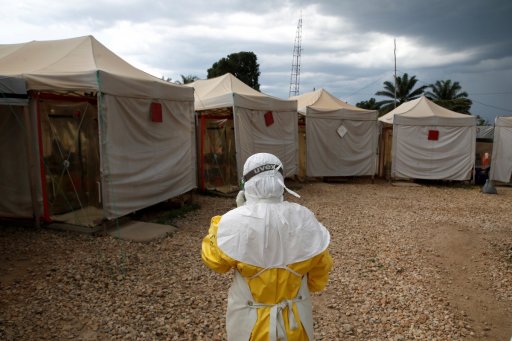
We hope that innovations in the digital health universe can be applied on the ground very soon, and that with the concerted efforts of local and global public health agencies, medical care teams, and the innovations stemming from the digital health universe, this lethal disease can be stopped and eradicated even from our collective memory forever.
|
At The Medical Futurist, we are building a community for making a bold vision about the future of healthcare reality today. If you’d like to support this mission, we invite you to join The Medical Futurist Patreon Community. A community of empowered patients, future-oriented healthcare professionals, concerned health policymakers, sensible health tech developers, and enthusiastic medical students. If there were ever a time to join us, it is now. Every contribution, however big or small, powers our research and sustains our future. Click here to support The Medical Futurist from as little as $3 – it only takes a minute. Thank you. |