Blood, Sweat, Saliva For Digital Health In 7 Ways
Unlocking health insights from bodily fluids: from at-home blood tests to diagnosing via sweat, explore how cutting-edge technologies are revolutionizing the way we monitor and understand our health, making hospital visits for simple tests a thing of the past.

10 min |

Key Takeaways
Bodily fluids like blood, sweat, and saliva are becoming vital diagnostic tools, with new technologies enabling at-home testing and rapid results.
Digital advancements, from smart patches analyzing sweat to smartphone-integrated urinalysis, are reshaping patient experiences and medical diagnostics.
In this article, we share a collection of how digital health can provide comprehensive, long-term health monitoring using bodily fluid data, with input from researchers and developers of such approaches.
Blood, saliva, urine or even sweat can carry valuable information about an individual’s medical state. Until now, even simple tests on such bodily fluids had to be carried out at medical facilities; but with the recent uptick in the development of digital diagnostic technologies, more and more solutions appear on the market that enable the patient to do such tests at home. Here we take a look around the bodily fluid business.
From bloodletting to digital sweat measurement
Although they don’t sound appealing, the ancient Greeks already thought that bodily fluids such as blood, bile and phlegm made up the fundamentals of the human body and that diseases only appear when the organism, or rather these liquids lose their balance. This humoral theory was central to the teachings of Hippocrates, and it became the dominant theory of medical thinking and practice in Europe until the late 1800s, which manifested, for example, in the rather barbaric practice of bloodletting. Medical professionals believed that letting out “bad blood” would stimulate the body to produce fresh and healthy blood and stop hemorrhages.
Modern medicine still bases healing on bodily fluids; but with a more scientific take. Blood, mucus, feces, saliva, semen, sweat, tears, urine, and even ear wax contain valuable information about a person’s health. Physicians use a swarm of tests during diagnosis (e.g., urine tests), therapy (e.g., stool sample culture tests), or monitoring (e.g., blood tests during chemotherapy). With the appearance of digital health technologies, at-home blood collection devices, and lab tests, the collection and analysis of bodily fluids are becoming easier.
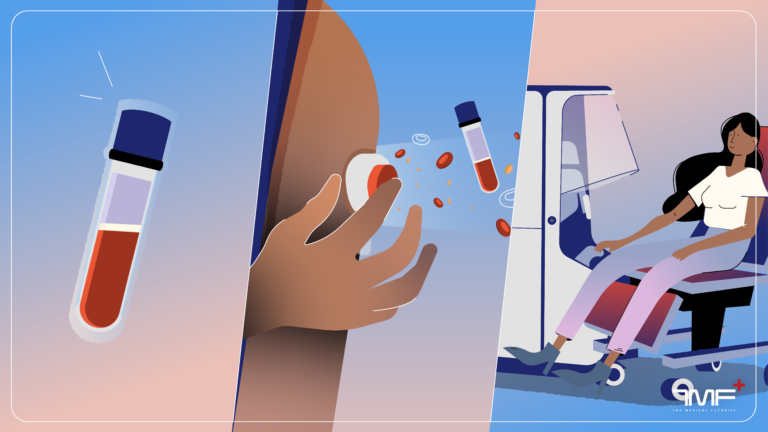
In the near future, it’s likely that no one will have to go to the hospital for such tests as patients will become the point of care. In fact, many of the sensing platforms for body-fluid analysis by wearable devices are under development, Dr. Noé Brasier, Project Lead at the Institute for Translational Medicine at ETH Zurich, told us. Here we collected the best examples of digital technologies changing the experience around bodily fluids.
1) Blood
The dream of getting a wide range of diagnostic results from a drop of blood was shattered by the Elizabeth Holmes and the Theranos scam. Since then, there have been some great developments and blood sample collection is also getting much easier. Many companies are working on similar, but more realistic solutions.
From a small blood volume, Genalyte’s technology can run multiple, simultaneous, rapid tests and output a result within 30 minutes. Similarly, from a single blood sample that can potentially be collected at home, Nightingale can analyse numerous biomarkers.
A recent development around blood tests leverages menstrual blood. Qvin has released Q-Pad, the first and only FDA-cleared menstrual pad that collects menstrual blood samples as an alternative to traditionally collected venous blood draws.

“The Q-Pad was initially created to identify biomarkers for HPV and has expanded and identified additional biomarkers to test for, including pre/diabetes, anemia, fertility, perimenopause, endometriosis, and thyroid health,” Dr. Sara Naseri, the CEO and co-founder of Qvin, told us in an interview. This approach could further make blood tests more accessible and affordable, while closing the gender gap in healthcare information and access.
2) Feces
It is believed that people carry up to 2kg of microbiome, which includes bacteria, viruses and fungi, in their intestines. Each individual microbiome is as unique as their fingerprint and carries information about a person’s health – and not only in cases closely related to stomach troubles. The microbiome could even be considered to act like an organ itself, and it’s central to the body’s operations. Researchers found that it can affect various aspects such as aging, digestion, the immune system, cognitive functions and even mood.
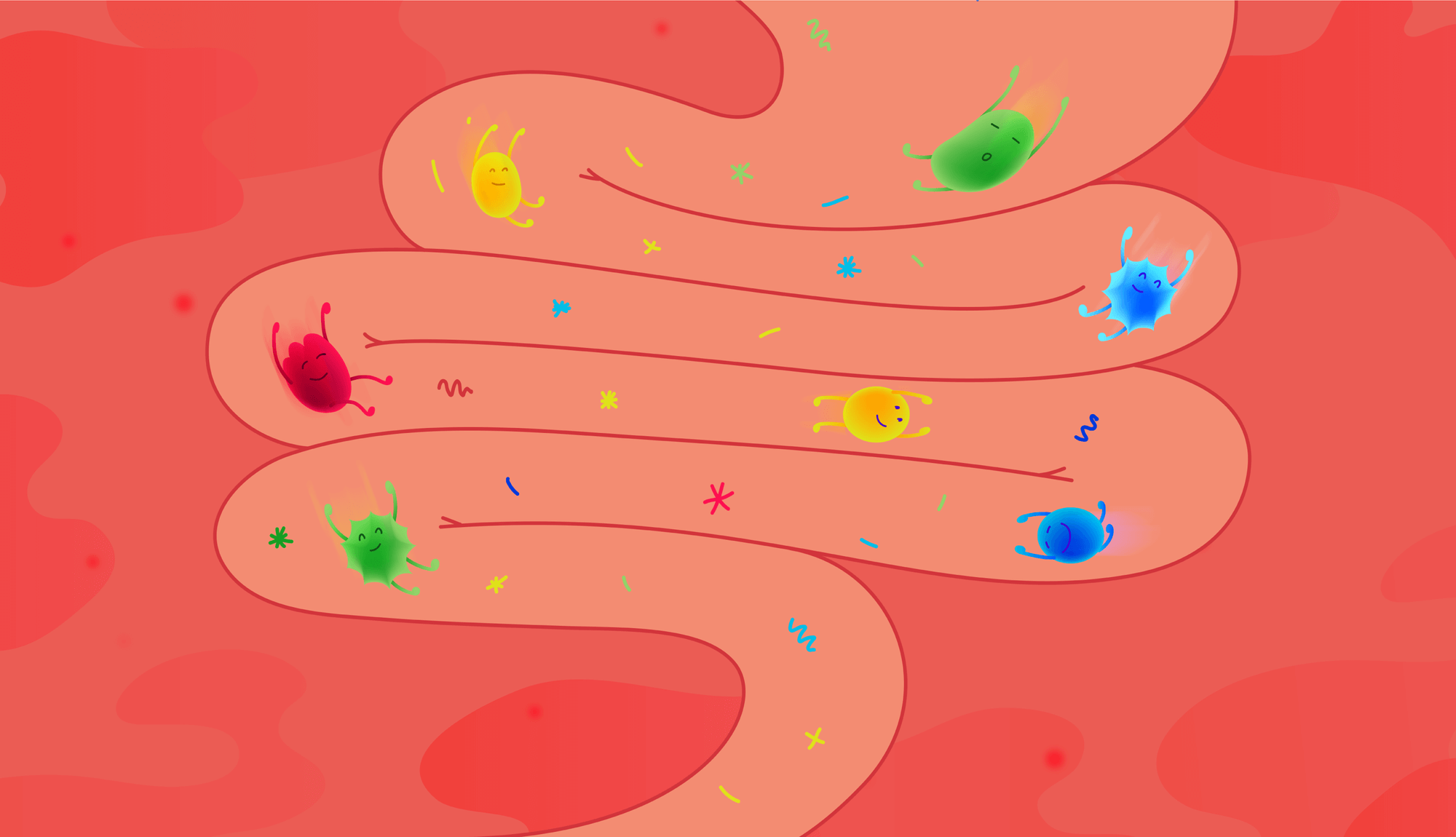
That’s why some companies offer services to make sense of it and advise on how to improve it based on fecal sample analyses. The former Thryve has been rebranded as Ombre which provides microbiome report and analysis as well as food suggestions based on your bacteria level. Similar services are provided by companies like Zoe and Viome; while others, like uBiome and Atlas Biomed, have run out of business. However, experts note that such tests are currently useful as diagnostic tools for a limited number of conditions and call for more regulations around their use.
3) Saliva
The use of saliva is the most widespread tool among the connoisseurs of the latest health solutions. Anyone who has had a direct-to-consumer genetic or genomic test is likely familiar with the procedure: many testing kits, convivially called the spit kit, contain a little tube in which the tester has to collect some saliva, then seal it and send it back to the company. Within weeks, the chosen start-up will present the results. Many of the “oldest” genetic testing companies use saliva tests, like AncestryDNA, or 23andMe.

But it’s not only genetic testing that saliva is useful for. Polish start-up SensDx has created portable kits to diagnose infections such as the flu quickly and accurately from saliva and mucus samples. Their technology can indicate in minutes whether inflammation or an infection in the throat was caused by a bacterium, virus or fungi. Although the company has been relatively quiet recently, saliva diagnostics for sure has great potential.
4) Semen
The issue of semen analysis comes up mostly around male infertility. It usually entails a sperm count test, measuring the actual number of sperm, their shape and their movement in semen. Such tests can provide insights into the success of vasectomies or when considering conceiving children.
It is already possible to do at-home sperm tests and get results as quickly as in 10 minutes, instead of taking the test at a healthcare institution. Companies that offer FDA-cleared at-home sperm tests include Legacy, Fellow and LabCorp.
5) Sweat
Among the most exciting recent developments in bodily fluid analytics is how to make use of the information stored in sweat. Analysing sweat can provide crucial insights not only into our electrolyte balance but also about hormonal cycles and hydration.
“One of the most advanced approaches focuses on the assessment of the sweat rate and electrolytes in sweat to monitor a person’s hydration status,” Dr. Noé Brasier told us. “While hydration monitoring can be obviously useful for athletes, our workforces are increasingly exposed to heat stress in a climate changed environment and need adequate hydration management to prevent from significant reduction in work performance, increased risk for injuries, and severe health issues such as heat stroke and even death.”
Start-up Persperity Health is working on a wearable to monitor real-time estradiol changes from the swear. Their technology could provide novel, non-invasive means for ovulation tracking, fertility treatments and menopause care.
Also focusing on sweat analysis is Epicore Biosystems. Their Gx Sweat Patch helps users, especially athletes, track their hydration levels and provides personalised hydration action plans.
6) Tears
In the past, there were some promising developments in leveraging tears to measure blood glucose levels via tiny sensors in contact lenses. Among the biggest players in this domain was Alphabet’s company, Verily Life Sciences. While this approach seemed feasible, their endeavours were not successful and Verily halted the undertaking.
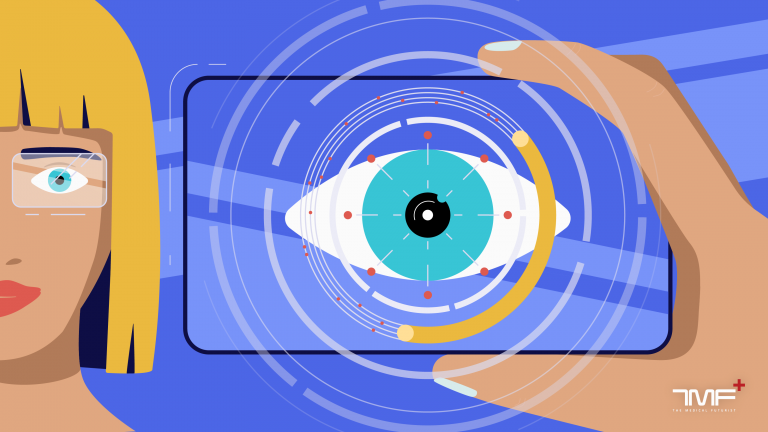
The company said that the reason for shutting down the initiative was that it couldn’t get the experimental lens to deliver the assessments of blood glucose with enough consistency to be used as a medical device. Progress has been slow in this area but there is the potential for it to be revived in the future.
7) Urine
There’s a good reason doctors ask for urine samples at routine checkups or for diagnosing conditions. A simple, color-changing paper test, dipped into the specimen, can measure levels of glucose, blood, protein, and other chemicals. This, in turn, can indicate evidence of kidney disease, diabetes, urinary tract infections, and even signs of bladder cancer. But how much more convenient would it be if patients could do a urine test in the comfort of their homes, instead of bringing samples to the GP’s office or trying to use hospital bathrooms?
Such accessibility to and convenience of urine tests are now a reality. Healthy.io markets FDA-cleared home urinalysis kits. These allow users to conduct routine urine tests, as well as test for signs of chronic kidney disease and UTIs. Withings is working on a “home urine lab”. Its U-Scan device can be applied to any toilet bowl to analyse urine samples and provide actionable advice.
And what about catheters and monitoring urine in the hospital? Accuryn has developed a smart urine monitoring system. Their product promises to automate the measurement of urine output, intra-abdominal pressure, and core body temperature to recognize clinical patterns and improve workflow.
What’s further on the horizon for bodily fluids in the digital health age?
When we look at the data from a bird’s eye view, we can see a general trend: data collection by sensory technology, transmitting the information to a smart device (usually a smartphone) – and then leaving the results for someone to interpret. That’s traditionally the task of the doctor, although these digital devices usually hint at possible explanations as well. Physicians need to be much more open to new technologies and elevate patient-doctor communication to a partnership level. As a tool for doing that, we have launched the Ask Me About Digital campaign to make sure patients know that medical professionals are open to talking about digital technology.
With further technological progress, we can expect other bodily fluids to serve as vectors for digital health monitoring. For example, while Alphabet’s Verily Life Sciences has been abandoned its efforts to measure blood glucose levels in tears via smart contact lenses, we could see this approach revived by other companies. Other endeavours might also focus on developing sensors to monitor health metrics at-home from the breath or mucus.
Zooming even further out, in the future we might have a complex system based on artificial intelligence that contains all the data stemming from urine, saliva, blood or any other bodily fluid tests alongside every other relevant diagnostic test from the past. This would be necessary for real long-term monitoring and analysis – but that’s still a bit further down the road.
Written by Dr. Bertalan Meskó & Dr. Pranavsingh Dhunnoo
|
At The Medical Futurist, we are building a community for making a bold vision about the future of healthcare reality today. If you’d like to support this mission, we invite you to join The Medical Futurist Patreon Community. A community of empowered patients, future-oriented healthcare professionals, concerned health policymakers, sensible health tech developers, and enthusiastic medical students. If there were ever a time to join us, it is now. Every contribution, however big or small, powers our research and sustains our future. Click here to support The Medical Futurist from as little as $3 – it only takes a minute. Thank you. |