Technological innovations aim to help us track what’s in our food, what we should eat based on our genetic background or support the process of bringing those delicious bites from the bowl into our mouths.
For some, eating is the most natural process on Earth. You are hungry, you get some nice food and some company, you sit down and have the meal making you happy and full. These people do not know how lucky they are. Researchers estimate that up to 15 million Americans have food allergies, including 5.9 million children under age 18. That’s 1 in 13 children or roughly two in every classroom. According to some estimations, 1-5 percent of the whole population of the EU has a type of food allergy.
Nutrigenomics and the future of food explained
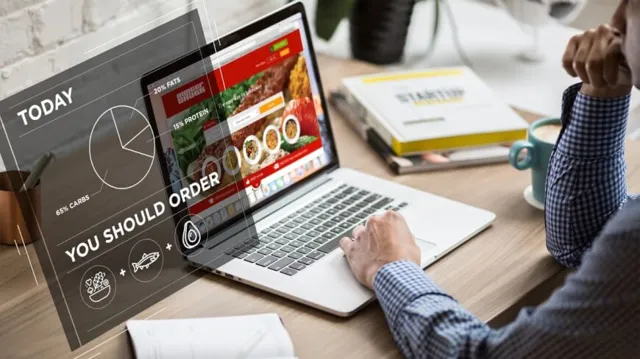
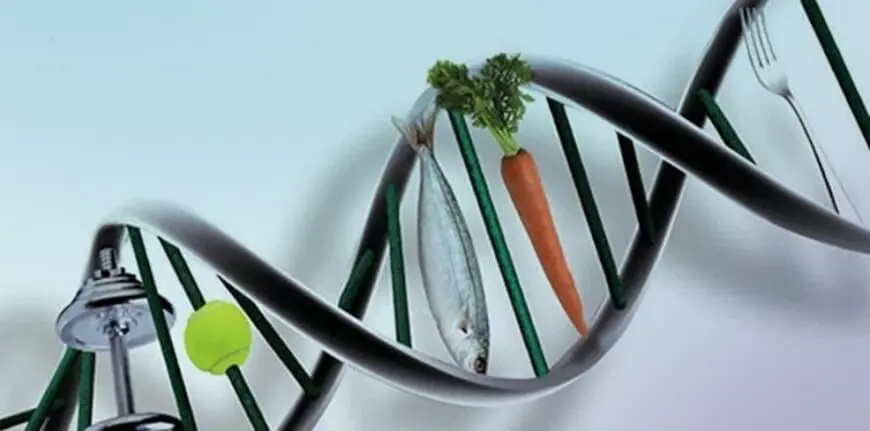
Nutrigenomics is a brand-new cross-field combining genetics and nutrition science. The basic idea behind nutrigenomics is that our genome reveals valuable information about our organism’s needs. We should map out this data and utilize in order to lead a long and healthy life. After having your DNA sequenced (perhaps already at home), a smart app could let you know which food you should eat and what you should avoid at all cost.
Although it is not easy to measure it, some analysts say that there could be as many as 70 million people worldwide affected by various eating disorders such as anorexia nervosa, bulimia, or binge eating disorder. There are also concerning numbers when we look at the WHO statistics concerning obesity. According to the UN organization, in 2014, more than 1.9 billion adults were overweight; of these over 600 million were obese. Moreover, worldwide obesity has more than doubled since 1980.
And yet, we still have no idea, what we eat. Not do we know what we should eat. Given our increased reliance on prepackaged food over fresh ones, and, especially so, given the life-threatening complications of food allergies, all these issues need to be addressed. Although digital devices, food trackers, calorie counters, etc. cannot offer alone long-term, comprehensive solutions, they could support eating healthily and reduce the harm we do through food to our bodies.
Innovation and technology will help us be more conscious of our food consumption. The latest technologies can help us better understand what we eat, how we should eat, and even stretch the boundaries of the food industry. Let’s take a closer look at how technology will shape the future of food.