Virtual Reality Can Help Women Get Through Childbirth With Less Pain
Back in 2016, Erin Martucci didn’t expect to be among the first women to experience virtual reality during childbirth, she just wanted to deliver her […]

11 min | · Updated

Back in 2016, Erin Martucci didn’t expect to be among the first women to experience virtual reality during childbirth, she just wanted to deliver her baby girl without epidural, narcotics or any other drugs for the labor pain. However, when her doctor, Ralph Anderson introduced her the equipment, the calming beach scene and the soothing audio giving her breathing instructions really helped her through the most difficult parts of labor.
Since then, the technique has picked up steam and has been the subject of scientific studies. One of the most recent ones explored the statistical benefit of using VR for pain reduction in labour and delivery (L&D).
The Medical Futurist asked Martucci, Dr. Anderson and the team behind the recent study about what they think about the option of using VR for labor pain.
Delivering a baby with VR
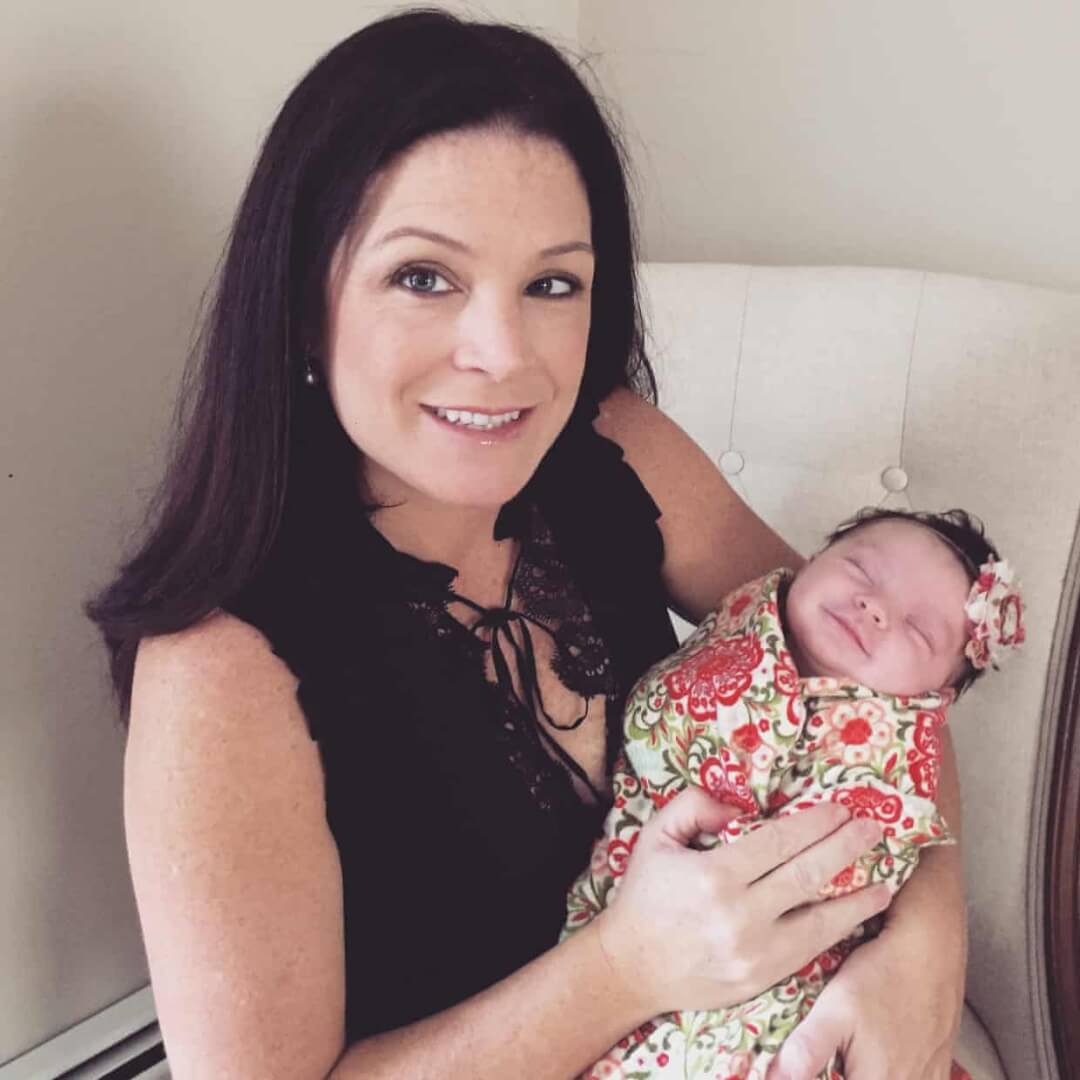
It was a grey dawn in November 2016, when Erin Martucci woke up with contractions. She got the sense she was close to delivering her second child. At around five-thirty in the morning, she breastfed her firstborn baby boy and went to the hospital with her husband. They were determined to have a natural birth and going completely drug-free. “For my first birth, I did have an epidural, but I wasn’t overall happy with having the side effects of the medication with my baby, because I think it interfered with the bonding experience,” she explained regarding why she decided against the epidural this time.
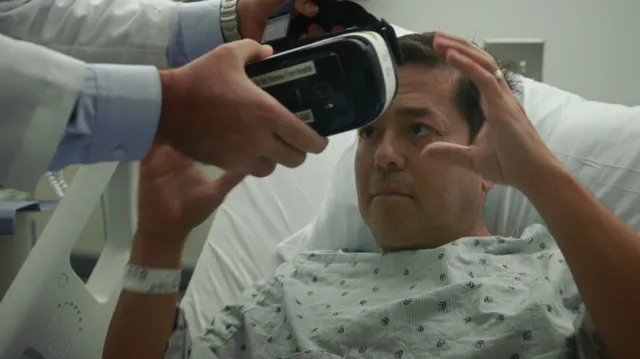
The contractions increased very quickly, and her husband kept helping her breathe, but Martucci started to have doubts about the process and got a little panicky. That is when Dr. Anderson introduced her to the VR headset, a Samsung Galaxy Phone equipped with the GearVR headset, loaded with AppliedVR’s software. “I was a little like; I feel terrible, this isn’t gonna help. But then I looked at my husband, who said, why not give it a shot? So, I thought, okay, why not?”, Martucci recounted.
When she got on the device, the goggles immediately immersed her into a sunny beach scene with pleasing blue ocean waves, and a calm voice started to coach her breath. She completely lost her sense of time, and only heard the interruption “You are ready to push,” then Dr. Anderson took the device off her head.
“I was so engulfed in what was going on in the application that I didn’t know two hours had gone by. My body was progressing, I could tell that, but I didn’t know where I was in my labor, and when my doctor came in and said – you are ready to push! – I was astounded, but then he took the headset off, and literally, within less than a minute, I delivered my baby”, explained Martucci. “I delivered her naturally, and the bonding experience was immediately so positive!”, she added enthusiastically.
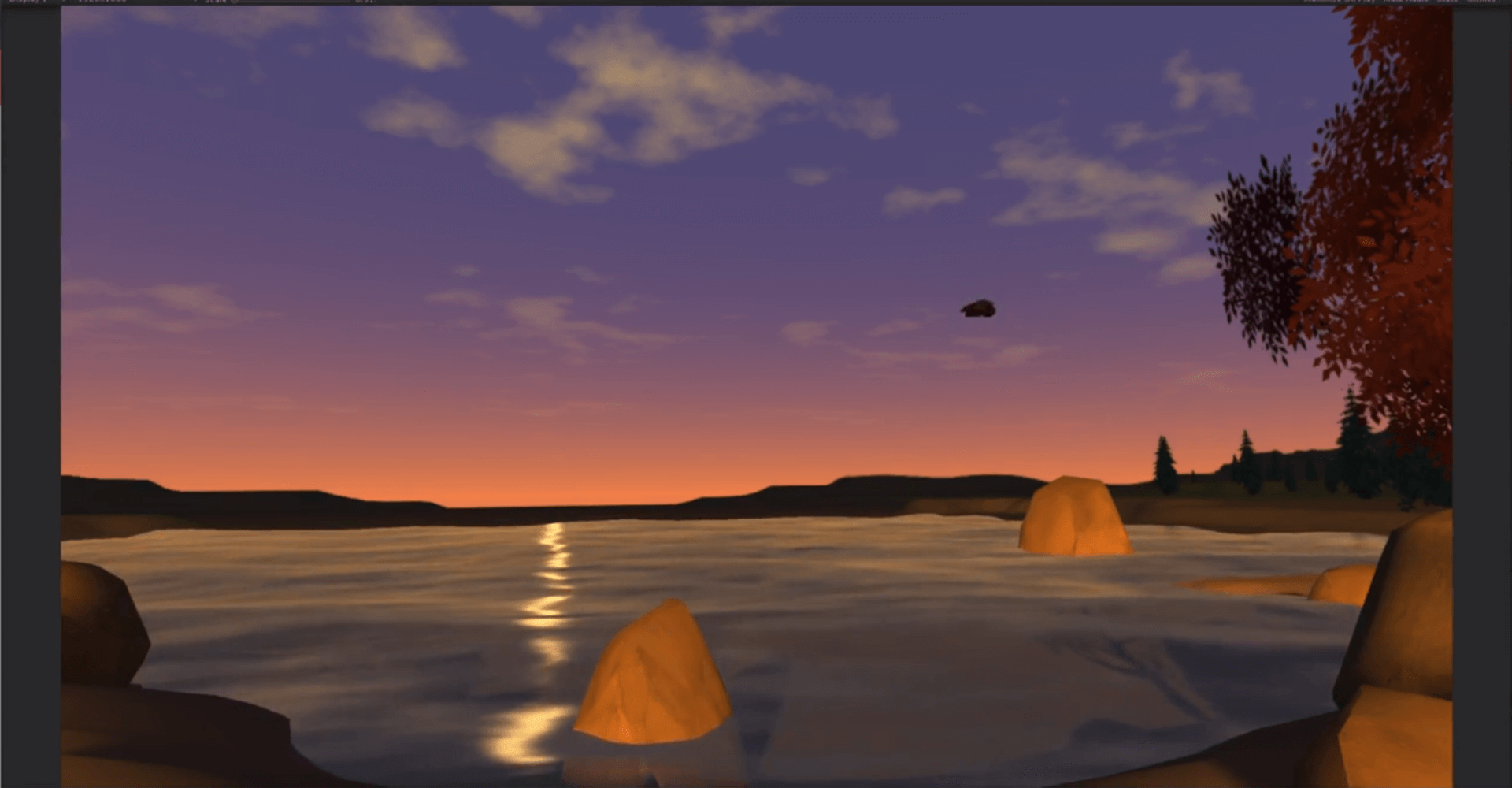
What Erin Martucci experienced was a Guided Relaxation program developed by AppliedVR to help patients reduce their anxiety during infusions, fertility procedures, in the emergency room, and like in Martucci’s case, childbirth. The company has more recently developed content specific for L&D, with the help of a doula and a team of researchers from Cedars-Sinai led by Dr. Melissa Wong.
The resulting scenes focused on colours, rhythm, music and a voice coach tailored to the progress of labor and helping the women cope with the process, Ana Paula, the doula who helped develop the VR content told us.
Is VR a viable choice for childbirth?
In many cases, VR cannot yet “fight” the pain completely, and in other cases, the virtual universe might mean such a big distraction that mothers get anxious that they will not know what’s happening to them or around them. “I talked to [my pregnant cousin] about the experience. She tried it but she could not wear the VR the whole time because she started to get panicky, so it’s not for everybody. She may have a different experience”, added Martucci.
With Erin, her doctor believes, motivation to deliver the baby drug-free and maturity helped the most. “We have to have a patient willing to try it. Sometimes they are not aware of the technology, and they feel reluctant to try it unless they see a reason for it. They generally are kind of skeptical”, Anderson added.
However, he says he walks around in the Orange Regional Medical Center with the device, and whenever there is a procedure that might cause some discomfort or pain, he offers VR as an option for pain relief. “The most part, when we do use it, it’s something that’s beneficial I’d say 90 percent of the time”, the doctor added.
Given the personal accounts of those with positive experiences with VR-aided deliveries, researchers have taken an interest in studying the benefits of this technique and sometimes for surprising reasons. “Honestly I didn’t think it would work,” Dr. Melissa Wong, who led the study that conversely proved that VR reduces pain in laboring women, told us. She also notes that she was interested to see whether VR would be able to help women harness the pre-conceived notion of how well they will “cope” with the pain.
By collaborating with a doula and AppliedVR, the research team created labor-specific content rather than a Guided Relaxation program like Erin Martucci experienced, although her feedback was also used to tailor the new software. The study’s results showed that among the participants, women who used VR during labor had a statistically significant reduction in pain (-0.52), while those who did not use VR had a statistically significant increase in pain (+0.58).
Of course, more research needs to be done before determining the actual benefit of VR with pain management in delivery, even if the early results are promising. “This represents literally the third study that I’m aware of in total of VR in any pregnant or postpartum woman,” commented Dr. Wong when we asked her about the need for further studies. “That’s it. Three. There’s more to be learned about the potential uses [of VR] for women during pregnancy, during labor, and postpartum.”
She confides that one of her next research interests lies in better understanding what women believe is important in the therapeutic coming through the headset, i.e. the visualization/auditory guidance as well as what other settings might prove useful during pregnancy and postpartum.
An option for pain-relief without opioids
Virtual reality will become a great tool for making healthcare more pleasant in the future, as it can make the healthcare journey for patients more agreeable: alleviates all kinds of pain, dissipates fear, offers more empathy and better care.
“Imagine allowing a terminally sick patient bound to a hospice bed to swim with dolphins, revisit their favorite spot or tick off on their bucket list a place they have always dreamed to visit. The VR experiences bring patients moments of joy, taking their mind away from their condition and even reducing physical pain and give something to look forward to”, says Martin Holecko from Vrgineers, a Czech start-up working on VR solutions for all kinds of industries. He added that using VR in therapy shows the fantastic potential of the technology far beyond gaming.
Anderson, who got introduced to the technology two or three years ago by his son working for AppliedVR, also believes that VR will become part of the medical armamentarium, as it could take the place of painkillers, especially opiates.
He mentioned what a gigantic challenge the opioid crisis means for the US, and how doctors are doing everything they can to minimize the amount of drugs. “You want to avoid it as much as possible. Everything we can do, whether it’s hypnosis or virtual reality or a Jacuzzi, anything is worth investigating”, he added.
In fact, virtual reality means a viable option, as research having been conducted by Brennan Spiegel and his team at Cedars-Sinai Medical Center already shows. One of the most advantageous features of the technology is that it does not have any severe side effects. Martucci only experienced that the device got a little hot after a while, but she didn’t notice anything else.
Anderson said that no one to his knowledge has gotten any visual issues due to the goggles, but he had patients whom it made a little motion sick. However, he added that was maybe two patients out of a couple hundred.
During her study, Dr. Melissa Wong and her team did a brief look halfway and at that point 100% of those who had experienced VR said they would recommend it and said they would’ve liked to keep using it. This further points to VR as a suitable alternative to relieve pain.

Will women deliver their babies with VR in the future?
When The Medical Futurist asked Martucci whether she would use VR for her next childbirth as well, she immediately said, yes, hundred percent sure she would. “I think it’s just another positive intervention for women who don’t want to have the epidural but maybe need a little support,” she said. Martucci added that she would recommend it to anyone else who would like to opt for no pain medication, and she already talked with other women about her experience.
If people get to know about this option, see videos or hear first-hand accounts of how childbirth with VR went, it will become more and more of a viable choice for them, believes Anderson. It will take away the skepticism, and the reluctance to try something new.
However, despite the proven advantages of VR use in L&D, we haven’t seen it adopted more widely for this purpose worldwide. “Like any other evidence-based medicine/intervention, this comes down to dissemination and implementation,” Dr. Wong added in relation to this reluctance. “There are different frameworks for thinking about this, but one often used is the PARIHS which describes that while successful implementation does depend on the evidence behind the innovation, equally or even more important are the degree to which the evidence fits within the context of what’s already happening, the recipients’ motivations, and the strengths of the facilitators of the intervention.
So while some things might be easier to change – like let’s say everybody changing how they dose a certain medication to treat Group B strep in labor… others are harder because many motivations are at play. VR I think falls into the latter. ”

When Anderson started working with the technology for pain management, he used it for minor procedures. Colonoscopies, biopsies, removal of implants, placing intrauterine birth control devices (IUD), so interventions where patients can be anxious. Later on, his practice grew into applying it also for mothers in labor.
He believes that in the future, its use will be more widespread and will become another option in the medical tool-set. “I think better studies are going to come out, we’re going to figure out better ways to apply it. I think the apps and the devices are going to get better. They are pretty user-friendly as they are, but everything improves with time. I do believe that with time, we’ll have a recipe of options for pain management, and, somewhere on that list, there will be virtual reality”, he explained.
Indeed, since Erin Martucci’s experience, AppliedVR has made major improvements to its software, Dr. Beth Darnall, pain scientist and Chief Science Officer to AppliedVR, told us. “ In our newest upgrade of clinical designs, we carefully optimized the immersive experience to enhance sensory engagement and skills learning.,” Dr. Darnall added.
“The content optimizes interoceptive awareness and regulation in the user – key skills that are shown to improve health and symptom management. We have also integrated our real-time breath integration to provide an interactive feedback loop to enhance the interoceptive awareness and skills training.”
Dr. Darnall sees VR as an important component of precision medicine and precision health. He believes that as the technology evolves, we will begin to see detailed content tailored to the particular condition, the population and to the individual user – further enhancing the patient experience, immersive effects, and treatment outcomes.