The Top Bioprinting Companies
The Medical Futurist collected the top 3D bioprinting companies. Here are the top companies in the segment, and some that sadly failed in the past years.

18 min |
Key Takeaways
Bioprinting is a fascinating topic, but creating new organs on demand is sadly still only realistic in science fiction movies.
The field develops steadily, with major movements amongst the active companies.
We decided to take a look at our list from a few years ago and provide a thorough overview of what has happened.
In the next 5-7 years, the bioprinting market is estimated to expand by 17 percent each year and is expected to grow over $5.20 billion by 2030, according to the latest study of Meticulous Research. However, in the last decade, 3D bioprinting developed much more slowly than earlier market predictions had expected. Forecasts from ten years ago had very ambitious numbers for 2024-2025 – but we are not there yet.
This time we offer an unconventional market overview. We analysed the leading market players in 2018. Instead of creating a brand new list, we decided to follow up on this old article – to show what happened to the top players – good and bad developments alike. The aim is to show how extremely volatile this segment is.
The future of bioprinting: tissues not organs
The idea of lab-grown organs might mean the end of testing drugs on animals or humans, the solution for organ shortages and an ending of the desperate state of organ donations worldwide. If the creators of the movie The Island had known about bioprinting, they would have rethought the entire plot. In the future, you would most definitely not need fully cloned humans as holders of backup organs or surrogate mothers – bioprinting specific tissues or organ parts might be enough.
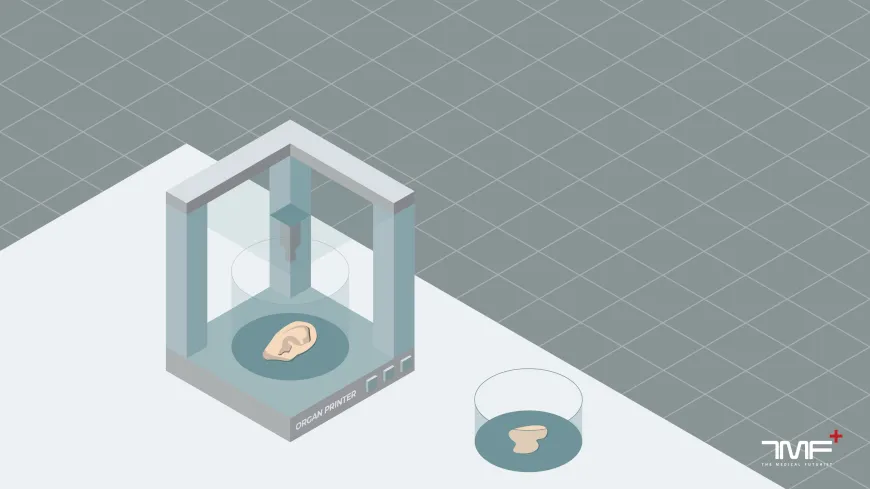
3D bioprinting is a mind-boggling technology that emerged in the last decade. It means the creation of living tissues, such as blood vessels, bones, heart or skin via additive manufacturing a.k.a 3D printing. Unlike in the case of printing out objects, bioprinting not only needs living cells, but also a nurturing environment to stay alive: food, water, and oxygen. Nowadays, these conditions are provided by a microgel – think of gelatin enriched with vitamins, proteins, and other life-sustaining compounds. Moreover, to create conditions fostering the fastest and most efficient cell growth, researchers plant the cells around 3D scaffolds made of biodegradable polymers or collagen so they can grow into fully functional tissues.
As the above brief and not quite complete illustration of the elements and processes producing synthetic tissues shows, bioprinting is difficult and time-consuming. Mass production is highly unlikely in the next decades, and we are even further away from printing complex organs. And even if the technology becomes more available, tissue engineering will be more feasible than printing out entire organs. Synthetic skin, a bionic ear, bladder, or cornea might be the first tissues to be either bioprinted or grown in the lab on demand – since they are tissues containing a small number of cell types. After that, more complicated ones might be engineered.

Bioprinting companies on demand
The incredible demands of technology and the understandably draconian regulatory framework result in a limited number of bioprinting companies. However, we are confident that the number of enterprises investing in the bioprinting market will steadily increase in the coming years. Especially cooperations between research centers and ventures aiming to market the products will be ample.
Here is our overview from 2018 of the most promising ones that seemed like the ones to make bioprinting a reality. We considered bioprinting companies to be those working with living tissues or developing machines able to labor on living tissues. So, let’s see what happened in the past six years, and of course, we will also add the significant new players to the end of the list.
1) Organovo
2024 UPDATE: Although Organovo still does fascinating research, its focus has changed. The company was originally known for bioprinting liver and kidney models, it has since transitioned towards using its 3D bioprinting technology for drug development and disease modeling, particularly for conditions like Crohn’s disease and liver diseases.
What we said in 2018:
The leader of bioprinting companies
The most well-known tissue engineering company is the San Diego-based company, Organovo. It has been actively developing a line of human tissues for use in medical research and drug discovery. These include both normal tissues and specially designed disease models. They are also working on the development of specific tissues for use in clinical patient care.
In 2014, they announced the successful printing of the liver tissue that functioned as a real liver for weeks. A year later, fully functional human kidney tubular tissues were generated with the company’s 3D bioprinter. Organovo also teamed up with L’Oreal to advance the development of synthetic skin. Moreover, the company’s first bioprinted products are expected to make it to the FDA in 2018.

2) CELLINK
2024 UPDATE: Cellink is currently the leader of the pack. The company’s Bio X 3D printer was used by the Rensselaer Polytechnic Institute to bioprint hair follicles in lab-grown human skin tissue. Currently, the engineered tissues have a lifespan of two to three weeks, which limits the development of hair shafts. The team aims to extend this period to allow hair follicles to mature further. The company has also been entering strategic partnerships and acquisitions, like the recent collaboration with Carcinotech to personalise cancer drug development. On the corporate front: since our latest review, Cellink has become the first EIC ((European Investment Council) -funded unicorn, and they also went through a leadership change with the appointment of Stefan Blomsterberg as the new CEO at the end of 2023.
What we said in 2018:
US-based Cellink develops both bioprinters and bioprinting materials for providing ready-to-print or use models for researchers and healthcare providers to enable 3D cell culture, personalised medicine, and enhanced therapeutics. The disruptive technology is used to print tissues such as liver, cartilage, skin, and even fully functional cancer tumors that can then be used to develop new cancer treatments.
Ariel Kramer, Chief Communication Officer of CELLINK, told The Medical Futurist that they hope to see bioprinting help shape the future of healthcare and eliminate animal testing. “Imagine a world where bioprinting can play a vital role in personalised healthcare for curing diseases, bioprinting organs to eliminate the need to wait, creating skin for burn victims and cosmetic companies for testing. The list is endless”, she added.
3) Aspect Biosystems
2024 UPDATE: Aspect received a $72.75 million investment from the Canadian and British Columbian governments in July 2024, as part of a $200 million multi-year project to advance the company’s capabilities in clinical biomanufacturing and tissue therapeutics. The project aims to accelerate Aspect’s internal therapeutic pipeline for serious metabolic and endocrine diseases, including liver diseases. Aspect is also partnering with Novo Nordisk to work on treatments for diabetes and obesity.
What we said in 2018:
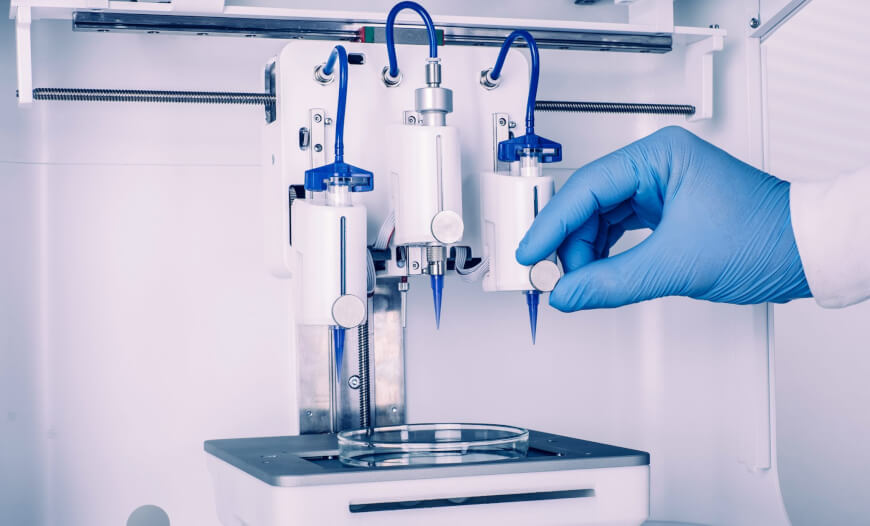
The Canadian bioprinting company is built on over 10 years of research and formed through a collaboration between world-class research groups in Engineering and Medicine at the University of British Columbia. They are focused on providing a platform as well as auxiliary materials for bioprinting: biomaterials, printhead cartridges or tissue solutions, rather than printing out tissues themselves.
The company has been cooperating with the Frampton Lab to create synthetic skin tissue and recently formed a partnership with Johnson & Johnson to develop 3D-printed knee meniscus tissue – the thin, fibrous cartilage between some of your joints.

4) Cyfuse Biomedical
2024 UPDATE: The only major news announcement about Cyfuse was their listing on the Tokyo Stock Exchange. The company has been pretty quiet on English-languaged channels, although they have regular minor press updates in their native Japanese.
What we said in 2018:
The name of the Japanese bioprinting company comes from the term “fusing cells (cyto-).” They describe their activity as generating tissues and organs by fusing cells through fusion activities in a variety of different aspects.
Cyfuse’s specialty is that its tissue fabrication process doesn’t need any scaffold such as polymers or collagen to enable faster and more efficient tissue generation. Last year, the Japanese researchers created scaffold-free 3D printed human liver tissue, which stably maintained metabolic functions and thus it might be used for toxicity testing in drugs.
5) TeVido Biodevices
2024 UPDATE: Went out of business.
What we said in 2018:
The Austin-based bioprinting company gives hope to breast cancer survivors not to lose their sense of femininity even after serious surgeries. The name, TeVido, stems from two Spanish words: tejido (tissue) and vida (life).
They use 3D printers for various reconstructive and cosmetic surgeries. Their treatments range from autologous cell therapy for vitiligo patients to nipple reconstruction for breast cancer survivors. They try to apply the patients’ own pigment-producing cells (melanocytes) and tissues during the printing process to lower the chance of rejection and allow patients to have a high quality of life.
6) Digilab
2024 UPDATE: Went out of business.
What we said in 2018:
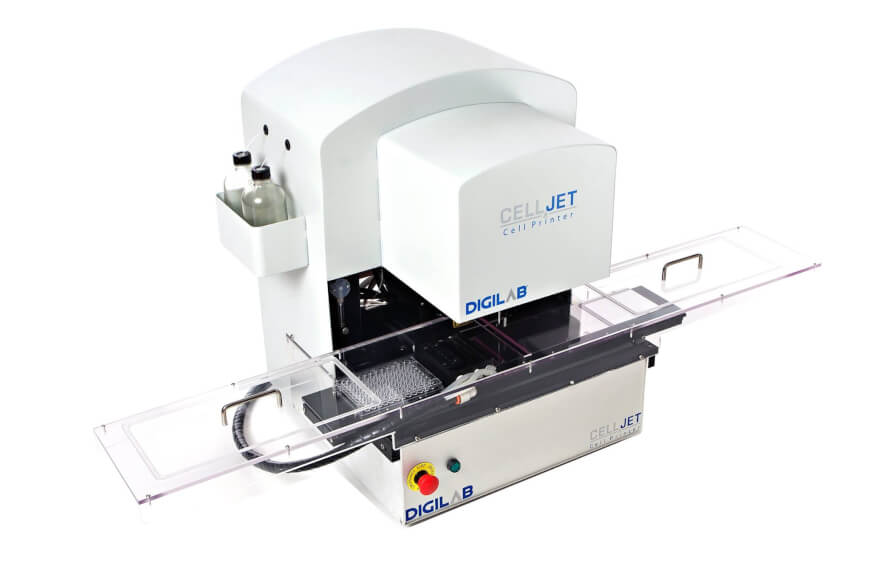
The company specialises in the production of solutions and technologies for clinical diagnostics, analytical chemistry, and other life science areas. Regarding bioprinting, it offers the CellJet 3D printer, which has the unique capacity to print cells with 95 percent viability. That’s unrivaled on the bioprinting market.
The 3D-printed cells can be used for stem cell research, cancer biology, automated cell arrays, cell-cell or cell-drug interaction studies, tissue engineering or regenerative medicine.
7) Advanced Solutions Life Sciences
2024 UPDATE: The company’s BioAssemblyBo (a 3D biofabrication platform) is used in a fascinating research project by Dr. Doris Taylor, who is working to create the world’s first bioengineered human heart. Dr. Taylor trained her bot to populate a decellularized pig heart scaffold with 350 billion human cells. The aim is to build personalised hearts on demand.
What we said in 2018:
The Kentucky-based company specialises in supporting 3D bioprinting teams, development labs, and research facilities. The subsidiary of the 30-year-old Advanced Solutions produces robotic arms for bioprinters, which can print out cell systems and arrays, experimental tissue models, organ models, microfluidic platforms, or implant systems.
The company with over 150 employees also offers visualisation software, with which medical professionals can create visualisations based on patient data from medical images and print out 3D models with the help of its robotic arm.
8) TRS – Tissue Regeneration Systems
2024 UPDATE: Seems like they went out of business; although the website is still alive, there haven’t been updates in the past almost 10 years.
What we said in 2018:
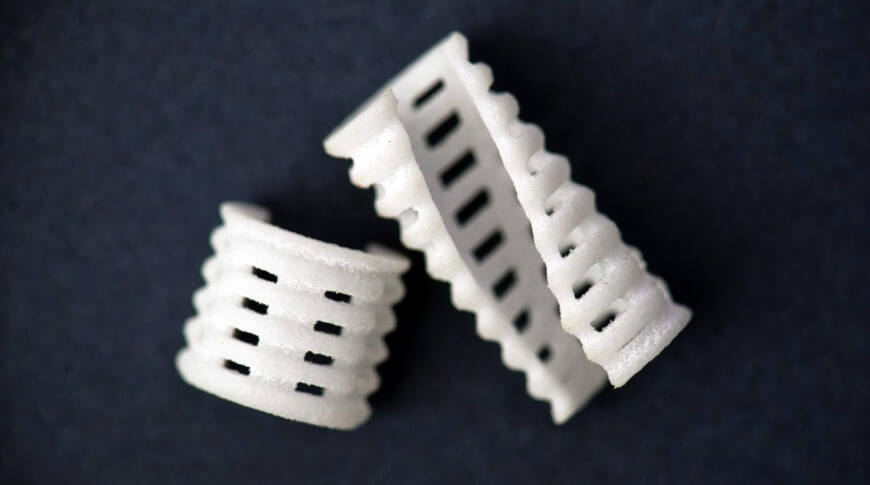
TRS or Tissue Regeneration Systems is a Plymouth Michigan-based start-up medical device company specializing in skeletal reconstruction and bone regeneration using 3D printers and scaffold technology.
Its skeletal reconstruction implants are bioresorbable. That means after the implantation, they gradually replace themselves fully with real bones. Moreover, the implants can be used in many different areas of the body as they are customized and engineered to support weight and function.
9) nScrypt
2024 UPDATE: The company seems to have shifted its focus to space and electronics projects.
What we said in 2018:
The Florida-based company’s main focus is not 3D bioprinting, but rather the manufacturing of micro-dispensing 3D printers. In 2003, R&D Magazine chose the latter as one of the top 100 products introduced that year.
Regarding bioprinting, nScrypt’s system can not only print out living cells but also extracellular matrices, collagen, hyaluronic acid and many more, while it creates bioscaffolds such as biopolymers in any shape.
10) EnvisionTEC
2024 UPDATE: Desktop Metal acquired EnvisionTEC in 2021, bringing several key changes. EnvisionTEC brought its bioprinting technology to Desktop Metal’s portfolio, and among the multiple industries the parent company serves, the dental segment is a significant one. The 3D-Bioplotter is still a flagship offering, but recent healthcare activity seems to focus on “traditional” 3D printing, like dentures.
What we said in 2018:
With its headquarters in Gladeck, Germany, the company has been selling bioprinters since its founding in 2002. However, its primary focus is on developing 3D printer technologies, materials, manufacturing and selling 3D printer systems all over the globe.
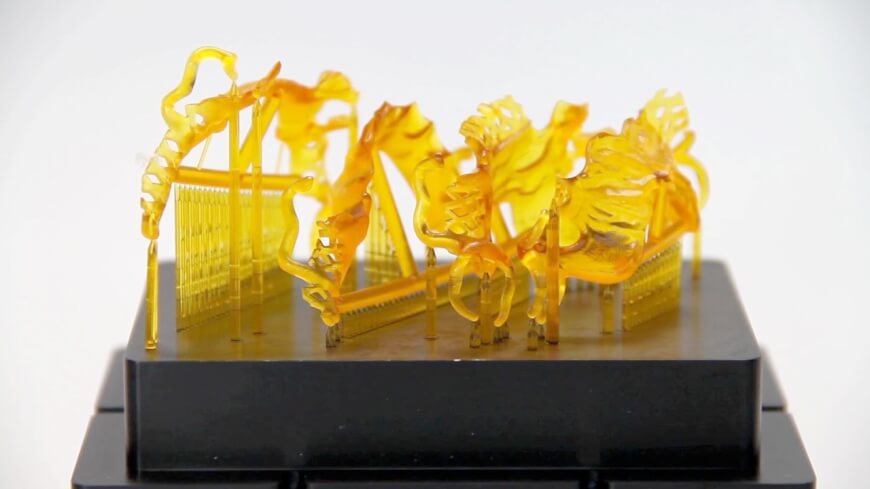
Regarding bioprinting, EnvisionTEC offers the 3D-Bioplotter, which is an open-source materials printer enabling researchers to produce customised and patient-specific silicones, thermoplastics, ceramic and metal pastes, hydrogels, often alongside living cells. The enterprise also offers cell-friendly and biocompatible biomaterials.
11) MedPrin
2024 UPDATE: The company developed along the implantable neurological devices pathway, now offering a wider range of products, from absorbable hemostats to dural repair patches and more. Their products are available in 80+ countries. A nice example of having a good niche and focusing on it.
What we said in 2018:
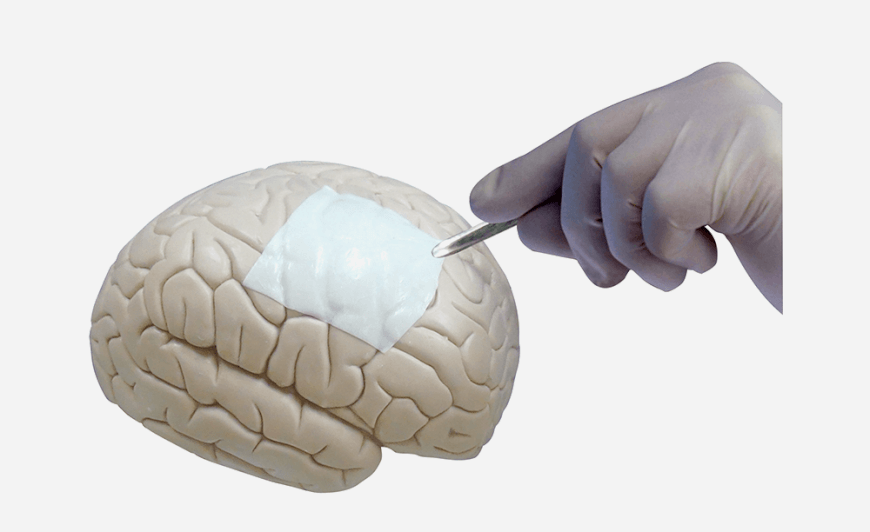
The company, established in 2008, made a name for itself in the 3D printing community by figuring out how to bioprint artificial dura mater. The latter is an only 0.2-millimeter thick material, actually not more massive than a wet paper towel, which covers the brain. It proved to be extremely difficult to replace, although it has an incredibly important function as it’s protecting the brain.
The incredible material named ReDura has a hugely beneficial side: after two months, the membrane will be absorbed into the body. MedPrin also produces personalised skull and maxillofacial repair systems, artificial skin, blood vessels, ligament, and more.
12) Nano3D Sciences (n3D)
2024 UPDATE: Went out of business.
What we said in 2018:
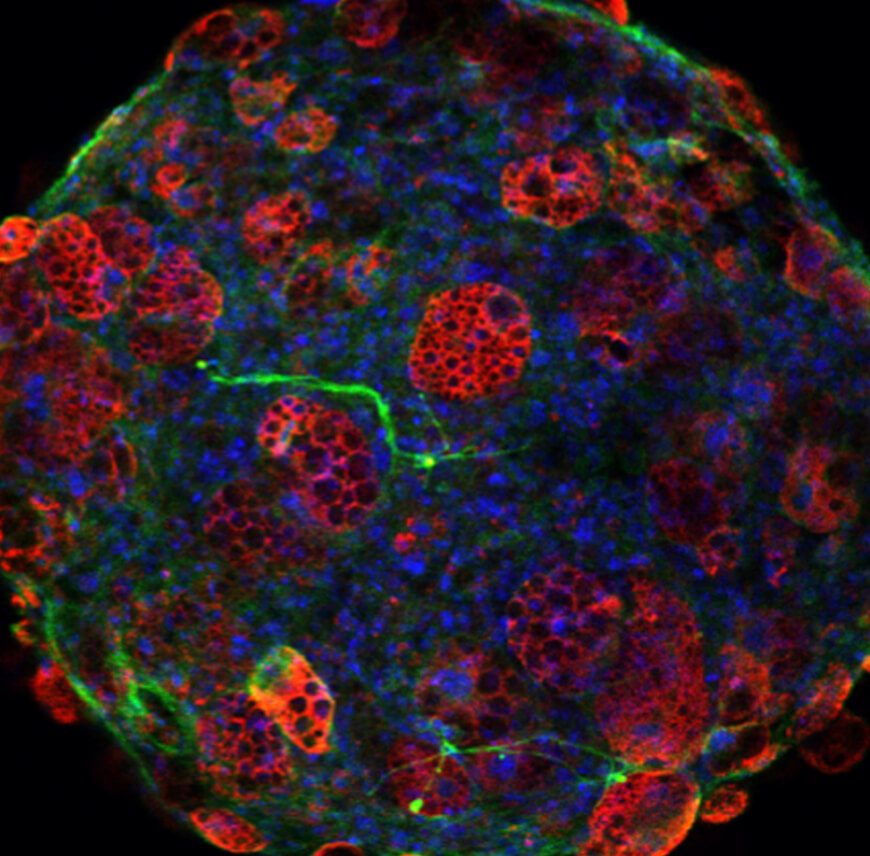
Houston-based n3D aims for producing kits and services for 3D cell culture using its core technology, the magnetisation of cells. According to their website, in this manner, they can either levitate or bioprint cells; and these cultures are faster to assemble than another system.
The spheroid bioprinting technology, which uses 3D bioprinting as well as n3D’s device, the NanoShuttle, is able to create a plate of spheroids in 15 minutes to a few hours for medical research.
13) Rokit
2024 UPDATE: Went out of business.
What we said in 2018:
The South Korean 3D printer manufacturer company entered the bioprinting market after a $3 million grant from the government in 2015.
Since then, it has been developing the impressive Rokit Invivo 3D bioprinter. It’s a multi-use hybrid bioprinter with both an extruder and a liquid dispenser. According to Rokit, the Invivo can print with a multitude of materials including PLGA, PCL, PLLA, collagen, alginate, and silk fibroin. It will definitely not be the only bioprinter of the company. Previously, Seok Hwan You, the CEO of Rokit told 3Dprint magazine that they plan to develop a 3D printer able to produce synthetic skin.
14) Cellbricks
2024 UPDATES: Cellbricks teamed up with the Berlin Institute of Health at Charité in 2022 to develop a 3D printer that can produce a biological wound closure. Although the company seems undoubtedly active, we couldn’t find recent studies or announcements about material progress in their work.
What we said in 2018:
The Berliner start-up, which was established in 2014, produces mini-organs for drug development and vital tissues for regenerative therapies.
Cellbricks not only offers specific bioinks and bioprinters but the entire toolchain around 3D bioprinting: from CAD modeling through printing until cultivating the cell culture. Afterward, researchers can integrate the printed mini-organ into the desired application, e.g., organ-on-a-chip systems.
15) REGEMAT 3D
2024 UPDATE: The last news update on the corporate website is from 2021, but the company is active and working, delivering 3D bioprinting solutions to its partners.
What we said in 2018:
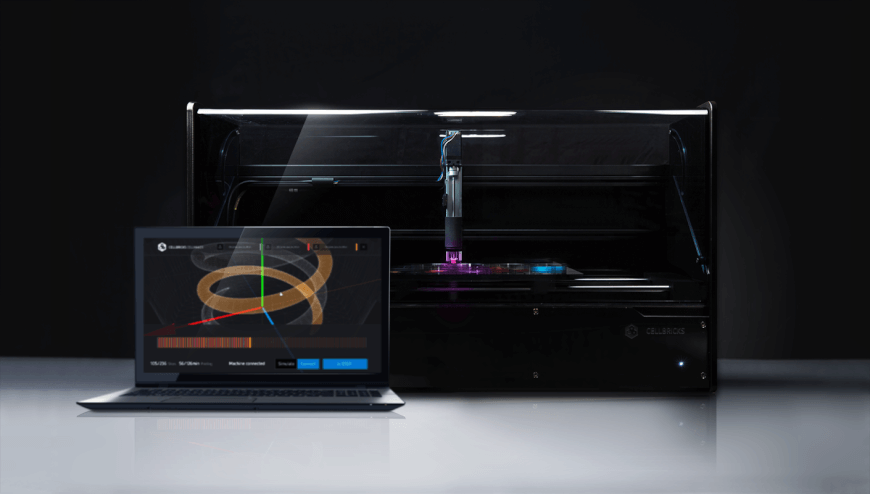
Regenerative medicine is the focus point of the Spanish biotech company, REGEMAT 3D. They offer a modular bioprinting system, but as their motto says they aim for not only selling machines but also introducing researchers to complex systems and building communities.
For example, with REGEMAT 3D’s bioprinters, researchers from the University of Granada are experimenting with cartilage and meniscus regeneration. The Spanish Biomedical Research Center is using bioprinting for research on stem cells and other products.
16) Allevi
2024 UPDATE: Allevi has leveled up in the past few years, expanding its product offerings and advancing its technology. Acquired by 3D Systems in 2021, Allevi has integrated new materials and functionalities into its bioprinters, and it offers a wide range of biomaterials from cells to bioinks. Their enhanced software and hardware capabilities now cater to a broader range of biomedical research, from drug discovery to regenerative medicine.
What we said in 2018:
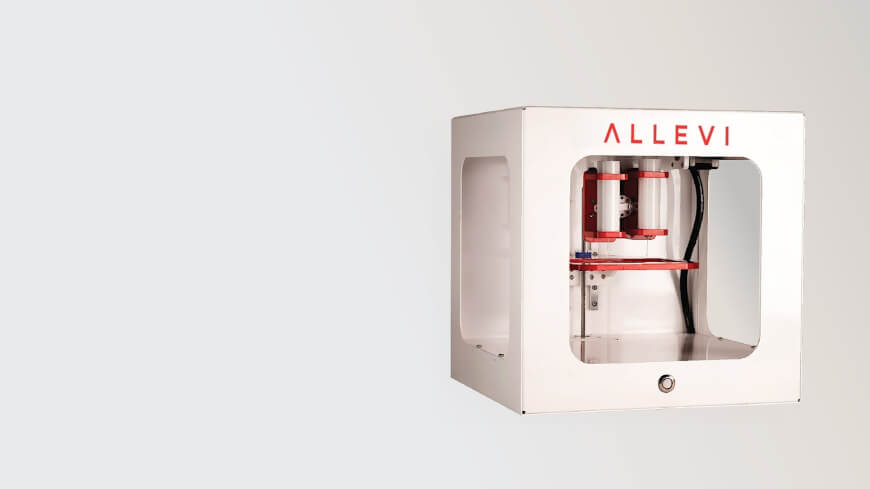
The company formerly known as BioBots and founded in 2014 builds software, hardware, and wetware to design and engineer living tissues. The start-up introduced itself at TechCrunch Disrupt NY by printing out an exact replica of Van Gogh’s ear. Impressive, isn’t it?
According to a report by TechCrunch, Allevi has seen its founders part ways and its business strategy shift – it’s now focusing on developing software to make its bioprinters easier to use. Regarding its desktop bioprinters, the company offers one of the most affordable devices for less than $10,000.
17) Poietis
2024 UPDATE: Poietis current focus is on designing cutting-edge bioprinters, and recently announced new strategic partnerships and their participation in the 4-Deep Brain Reconstruction (4-DBR) initiative, a Horizon European Innovation Council (EIC) project aimed at treating neurodegenerative disorders.
What we said in 2018:
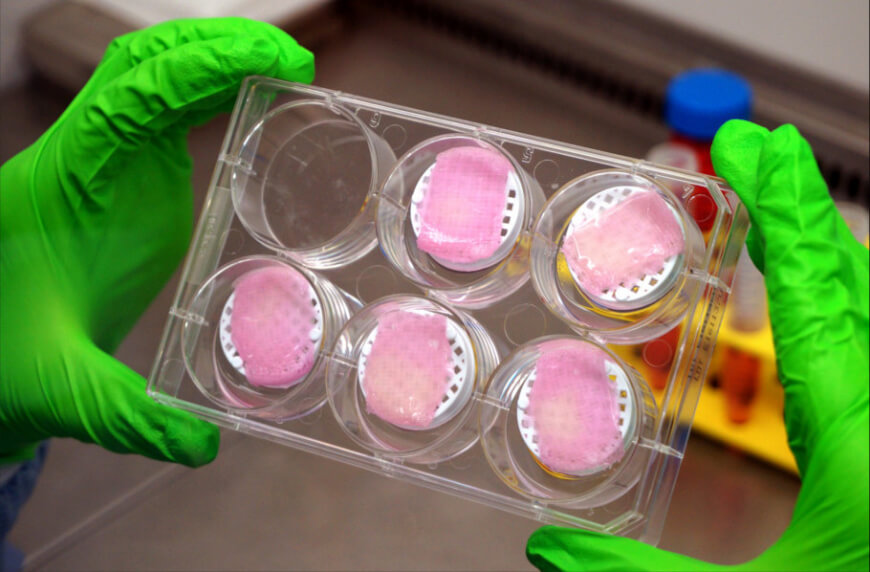
The French company, Poietis, provides industry players and researchers with a unique platform to design and manufacture bio-printed products for regenerative medicine. It develops and produces human, customised tissues using 4D bioprinting for pharmaceutical and cosmetic applications as well as regenerative medicine. They have a research partnership with French cosmetics giant, L’Oreal.
The 2024 additions
These companies were not on our radar six years ago, but today we see them as significant players worth mentioning when discussing the bioprinting landscape.
+1 REGENHU
Swiss REGENHU focuses on advancing 3D bioprinting technology to enable the creation of complex, functional biological tissues. Their platform integrates engineering and life sciences, providing bioprinting solutions for research in regenerative medicine, drug development, and personalised healthcare. The company collaborates widely with academic and industrial partners to develop cutting-edge bioprinting applications.
One of their latest announcements discussed that a multicentric research group developed a novel bacteria-derived polysaccharide hydrogel, to be used as a smart functional bioink for tissue engineering applications. This new bioink is particularly suited for repairing muscle tissue, especially for treating injuries where large amounts of muscle are lost. The study emphasised how this biomaterial mimics natural tissue and helps muscle cells grow into aligned, functional muscle fibers.
+2 Foldink
Armenian Foldink specialises in developing innovative bioinks for tissue engineering and regenerative medicine. Their bioinks are designed to mimic natural tissue environments, supporting the growth and development of cells into functional tissues.
According to their latest major product development report, their newest product is a biomaterial ink called mColMA, which is a freeze-dried, methacrylated, medical-grade collagen that works well for printing tissues like skin and cartilage. “It is important to note that some of customers have used this ink for modeling cancer tissue and drug testing. We plan to test it for cardiovascular tissue engineering and see what happens” – the company wrote.
+3 PrintBio
PrintBio specialises in developing and manufacturing safe, functional, and personalised living tissue implants. The company recently received FDA approval for their 3D-printed resorbable surgical mesh designed for use in the reinforcement of soft tissue, intended for patients undergoing plastic and reconstructive surgery – the product is also FDA’s first clearance of a surgical mesh product that is 3D-printed.
+4 RoosterBio
RoosterBio focuses on making stem cell research faster and easier by providing ready-to-use stem cells, tools, and materials. Their products help researchers and companies speed up the development and production of stem cell therapies, aiming to simplify the process from the lab to large-scale treatments.
A recent study from the University of Chicago described using RoosterBio’s umbilical cord stem cells, culture medium, and exosome collection medium, to explore new treatments for ovarian disorders.
If you know about other bioprinting companies disrupting healthcare, please let us know; as there are plenty of other ventures out there and the market is steadily changing. Moreover, if you are curious about the top-notch companies in other areas of medicine, check out our collection of exoskeletons, our article about robotics companies or the piece about those working with artificial intelligence!

|
At The Medical Futurist, we are building a community for making a bold vision about the future of healthcare reality today. If you’d like to support this mission, we invite you to join The Medical Futurist Patreon Community. A community of empowered patients, future-oriented healthcare professionals, concerned health policymakers, sensible health tech developers, and enthusiastic medical students. If there were ever a time to join us, it is now. Every contribution, however big or small, powers our research and sustains our future. Click here to support The Medical Futurist from as little as $3 – it only takes a minute. Thank you. |
Subscribe To The Medical Futurist℠ Newsletter
- News shaping the future of healthcare
- Advice on taking charge of your health
- Reviews of the latest health technology