The Top Digital Health Stories In 2019
We left behind a great year and decade in digital health and look forward to welcoming a new year with lots of new technologies to be excited about. However, as is common with the internet, things can get a little chaotic and we’re here to help ease things out a bit! This article has been curated to share our favourite stories from 2019, shared as a month-by-month basis so that you can get it all into focus!

9 min |
We left behind a great year and decade in digital health and look forward to welcoming a new year with lots of new technologies to be excited about. However, as is common with the internet, things can get a little chaotic and we’re here to help ease things out a bit! This article has been curated to share our favourite stories from 2019, shared as a month-by-month basis so that you can get it all into focus!
January

We kickstarted the year by covering one of the most exciting events in tech, the Consumer Electronics Show or CES. From A.I.-powered hearing aids to a blood pressure monitor that can track ECGs and doubles as a digital stethoscope to a speaking toilet, we had our fair share of excitement and… surprise at last year’s event! Speaking of A.I., we also highlighted the AMA’s efforts in helping physicians understand A.I. better later that month. We expect medical associations around the world to follow suit in order to get the most effective solutions in the hands of physicians and patients.
February
In February we took a look at the “femtech” market to analyze why digital health technologies keep failing women. Spoiler alert: it’s still very much a man’s world… Afterwards we took a (virtual) trip to China to explore its healthcare landscape, which, depending on who you ask, can be a paradise or a dystopia.

We still stress that A.I. will serve as an aid to doctors rather than replace them and we compiled a list of the most promising algorithms that can become your physician’s best buddy in the near future. Also relying on a lot of algorithms is everyone’s favourite frenemy, Facebook. The latter had a rough start of 2019, and we covered why.
March
March 2019 was quite special to us as our paper titled Opinion leader empowered patients about the era of digital health: a qualitative study was published in the British Medical Journal. In it, we interviewed 11 opinion leader empowered patients from six countries and found that cooperation between technology and healthcare is not enough on its own: the most decisive factor is the return of the human touch and reciprocal communication.

In the same month, we also checked what airlines can do to adopt digital health, analyzed reverse innovations and listed 10 reasons why startups go bust (9 out of 10 digital health startups die out within 2-5 years of their inception).
We also released a free guide for physicians about working with e-patients and digital health. Grab your free copy here!
April
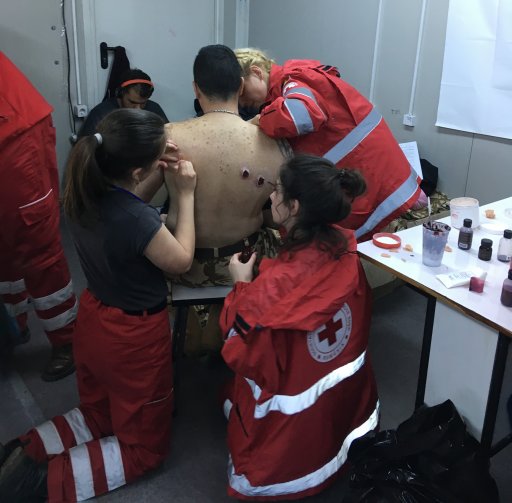
That was the month when NATO invited us to a military medical exercise in Romania, complete with tanks, soldiers and, of course, a simulation scenario involving casualties with handpainted war injuries. We couldn’t refuse.
As futurists, we’d argue that the real art of medicine begins with artificial intelligence and we went on to publish an article detailing how. Still on the topic of A.I., we wrote an ode to the superheroes behind their development: data annotators. That month we also contemplated on a question that we hope everyone is asking themselves: what will being healthy mean in the future?
And for the second month in a row, we published another paper, this time about e-physicians in the Journal of Medical Internet Research.
May
On May the fourth, we did not go all Jedi to fight off the Sith but covered the developments of a technology that will shift the gears of healthcare into hyperdrive mode: 5G. Leaning heavily on cutting edge technology is Estonia, which delivers a healthcare paradise, which we analyzed. And if you need a recap on machine learning and deep learning in medicine, we wrote it down for you, and also compiled a list of what A.I. has done for medicine.

Towards the end of the month, we took a trip to the future to find out what lies ahead for psychiatry and also checked some… weird devices from poo trackers to a blockchain toothbrush to smart condoms… What a time to be alive!
June
June hosted our most popular article of 2019, which included a giant infographic matching all FDA-approved A.I.-based algorithms to their respective specialties. On the topic of A.I., we took a look at its implementation in mental health care. Afterwards, we analyzed the question of whether we will be born in 2050, one that many sci-fi books and movies have flirted with, but is one that we should seriously consider given the progress in technologies like the artificial womb.

July
The WHO named climate change as this century’s greatest challenge and we took a look at how health technologies can aid to fight against the climate crisis. From tackling mosquito-borne diseases to predicting heatwaves to the management of respiratory diseases due to air pollution, digital health technologies show promise.

Death is arguably the only certainty for every human being, but what happens to one’s medical data following death is far from certain. We dived into this mostly overlooked area and almost got lost, so that you don’t have to.
If July’s topics sounded too bleak to you, you might have considered cheering yourself up with a radio-frequency-identification (RFID) implant, right? Then you’re in luck as we wrote an article regarding everything you need to know before getting one.

August
Diabetes is a debilitating condition as the 425 million worldwide diabetics will surely tell you. However, it’s an area that has seen a rise in digital health technologies come to the aid of patients. We took a look at where those technologies stood as of 2019.

Medical conditions like diabetes and practically any other conditions rely on medications that need to go through regulatory bodies and are often tested on animals and/or humans with adverse effects. However, these might be a thing of the past with in silico trials, which might become a reality in the coming years.
Finally: ever wondered what price to put on life? Find the answer in this 10 minute read!

September
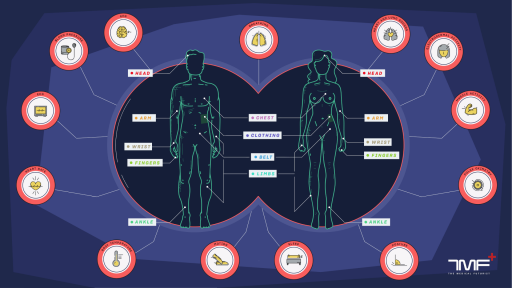
From period tracking to sleep pattern analyzing, it seems like there’s no single square centimeter of the human body without quantifiable data. With this in mind, we set out to collect every trackable parameter to draw the boundaries of your “health data self”.
Still in September, we listed the top companies using A.I. in drug discovery and development and explained how voice-to-text algorithms can reshape electronic health records. However, we also highlighted the inherent bias in A.I. and stressed its need to be fixed.
October
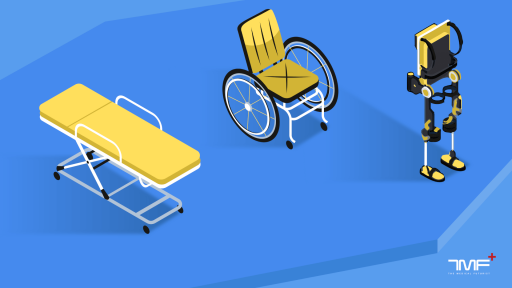
While we pointed out how the digital health landscape has been marred with failures, we also shared how certain advances give us hope for the future in a two part series. Another ray of hope is the progress in exoskeleton technologies that literally give paralyzed people superpowers like controlling one with their mind! Quantum computing also generated some buzz following Google’s claim of reaching ‘quantum supremacy ‘ , so we decided to find out what the technology can do for healthcare.
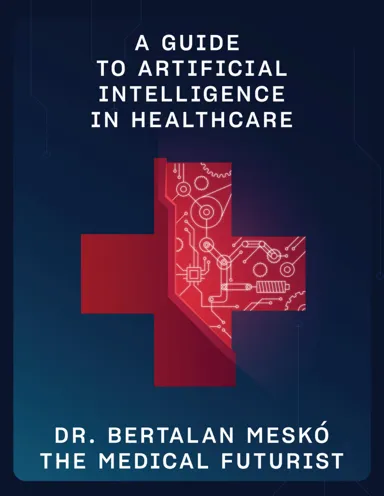
By now, you might have noticed that we covered an article on A.I. almost every month, and so as not to stray from the trend, we released a guide to A.I. in healthcare.
November
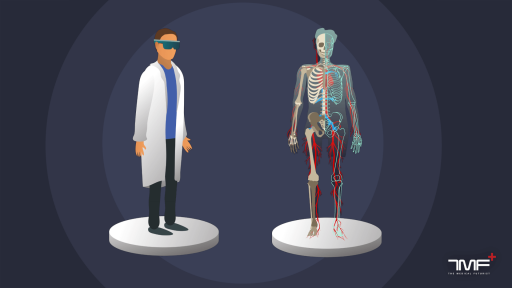
Google got a boost in the fitness tracking industry by purchasing Fitbit and we analyzed how this acquisition might spell the doom or be a boon to the fitness tracking industry. And while your fitness tracker might be happy that you are out and about thanks to Pokémon Go, the augmented reality technology that it relies on is not only used to find Pokémons – it will revolutionize healthcare. Here are 9 examples.
Another hot technology is facial recognition technology (FRT) and we guided you through the basics and its potential implications and ethical challenges lying ahead. FRT and more could change how oncology is managed. We made slight extrapolations of existing technologies and current trends to see how this change will look like in 15 years.
December
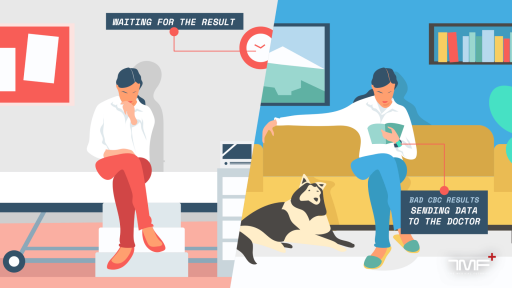
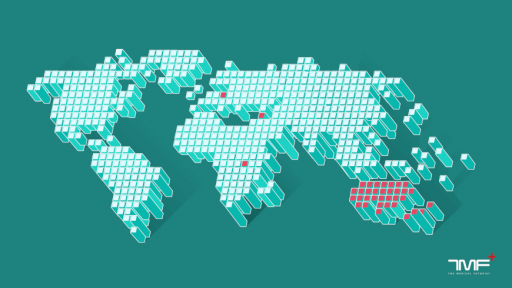
As we neared the end of the year, we looked ahead to the 10 technologies we are most excited about, which ranged from mixed reality to at-home bodily fluid analysis. We also shared the most notable country initiatives pertaining to digital health around the world.
One of our final articles to be published in 2019 involved the sensitive topic of refugees. However, theirs is a plea that we shouldn’t be indifferent about, so we took a look at the best technologies helping them.
Bonus: Digital Health Technology Reviews!
There is no thirteenth month but we’ll gift you with bonus reads by sharing the reviews we published in 2019. Happy reading and oh, happy new year!
- Aspiring Dermatology App Under The Microscope: The SkinVision Review
- When The Best You Can Get Is Zero – The BACtrack Mobile Breathalyzer Review
- Sweet Dreams In A Headband? – The Philips SmartSleep Review
- To Never Skip A Beat – The HeraBEAT Fetal Heart Monitor Review
- Feeling sick? There’s an app for that! – The Big Symptom Checker Review
- A Smart Case For Your Heart – The Prizma G2 Review
- Playback Heart Sounds: The eKuore Pro Digital Stethoscope Review
- Digital Skin Care: Top 8 Dermatology Apps
- Asthma Pocket Tech In The Fighting Ring: AioCare Versus Smart Peak Flow
- The Top Swimming Trackers In 2019
- Great Concept With Unfulfilled Promises: The Omron HeartGuide Blood Pressure Smartwatch Review
- With Quantification Towards Pregnancy: The Mira Fertility Tracker Review
- Cognitive Behavioral Therapy For Better Sleep? – The Dreem 2 Headband Review
- What You Can Learn From Your Gut: The Atlas Biomed Microbiome Test Review
- From Saliva To Lifestyle Change: The Atlas Biomed Genetic Test Review
- One Ring To Rule Them All? – The SleepOn Go2Sleep Review
- The Last Monarch Of The Fitbit Dynasty? – The Fitbit Versa 2 Review
- Let’s Put The Best To The Test: Our KardiaMobile6L Review
- Top 5 Health Trackers For Running