The Current State And Future Of Biohacking
Biohacking spans from lifestyle changes to extreme body modifications, challenging traditional science while influencing future health technologies and regulatory considerations.

5 min |
Key Takeaways
Biohacking encompasses a broad spectrum of practices from simple lifestyle modifications to extreme body modifications, aiming to enhance well-being and abilities beyond traditional methods
The biohacking movement not only challenges conventional science and medical practices with its do-it-yourself approach but also aids traditional science in identifying areas where additional efforts are worthwhile and areas where they are not, thus potentially shaping the future of scientific exploration and healthcare innovations
Despite the potential for innovation and personal improvement, biohacking faces regulatory and safety challenges, underscoring the need for careful consideration
For years at The Medical Futurist, we’ve covered countless digital health devices and technologies, and how they can empower patients in the digital health age. These share the common feature of augmenting the patient experience, and such augmentations can be taken to the next level via biohacking.
In this article, we’ll introduce the biohacking concept, illustrate it with examples of biohackers (you might be one already!) and contemplate its impact on the future of digital health.
What is biohacking?
As the term itself suggests, “biohacking” generally refers to the act of hacking or modifying biological systems outside of traditional academic or laboratory settings, and one who practises such an act is called a “biohacker”. It has also been used interchangeably with terms such as “citizen biology” and “do-it-your-self biology” that bring the hacking and tinkering ethic to biology.
Biohacking has led to a whole movement, which gained popularity over the past decade. Some adherents to this movement even liken it to an alternate or even revolutionary version of science that is not constrained by traditional gatekeeping measures.
Biohacking can apply to human biology with the aim to improve one’s well-being as well as non-human biology such as manipulating plant genes to alternate their growth. For the purpose of this article, we’ll focus on human biohacking.
Levels of biohacking
Based on its definition alone, there’s a whole spectrum to biohacking. On one end of the spectrum, simply drinking coffee or a caffeinated drink could be considered as a form of biohacking as caffeine can influence your biology to improve alertness and focus. At the other end, there are biohackers with devices inserted under their skin to give them new “abilities” such as detecting the North. For simplicity, we can consider three levels of biohacking across the spectrum from least to most invasive, while keeping in mind that there are overlaps.
1. Lifestyle hacks
This level represents the most accessible biohacks, and you could already be a lifestyle biohacker. By taking supplements, working out, and/or meditation, you are aiming to improve your health; and by extension, modifying your internal systems.
“I am a strong believer in the fact that the best biohacks are free,” says Tim Gray, a prominent UK biohacker. “[…] honestly, you can get 80% there with just a small time and financial investment.”
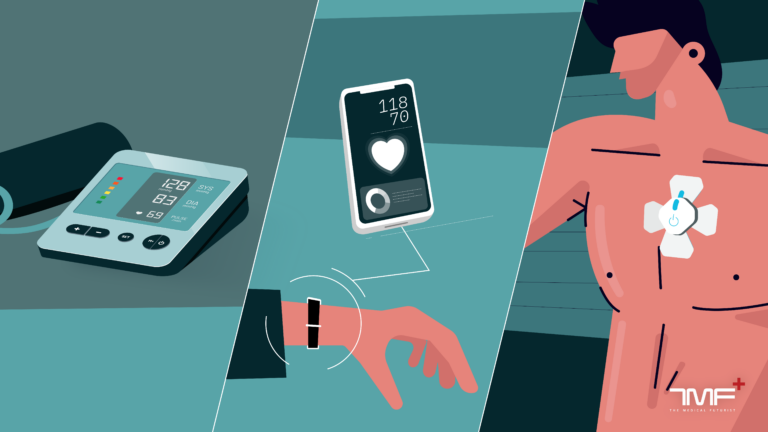
You can further supplement lifestyle modifications with wearables and personal diagnostic devices. Through such technologies, biohacking involves the use of the data gathered to make informed decisions and adjustments to improve your health and performance.
2. Biological modifications
For more invasive manoeuvres to modify our bodies, we are looking at biological modifications. These range from ingested pills such as supplements or nootropics (cognitive enhancers) to stem cells and at-home CRISPR injections.
Part of the daily routine of YouTube sensation and biohacker Bryan Johnson, who wants to live forever, involves taking over 100 pills. He has also experimented with plasma transfusion with his son, although he has given up on this approach due to a lack of results.
3. Grinders
Going one step further are grinders, biohackers who tend to undertake extreme body modifications through technological means. This level of biohacking has some overlap with transhumanism as grinders consider themselves at the forefront of human augmentation.
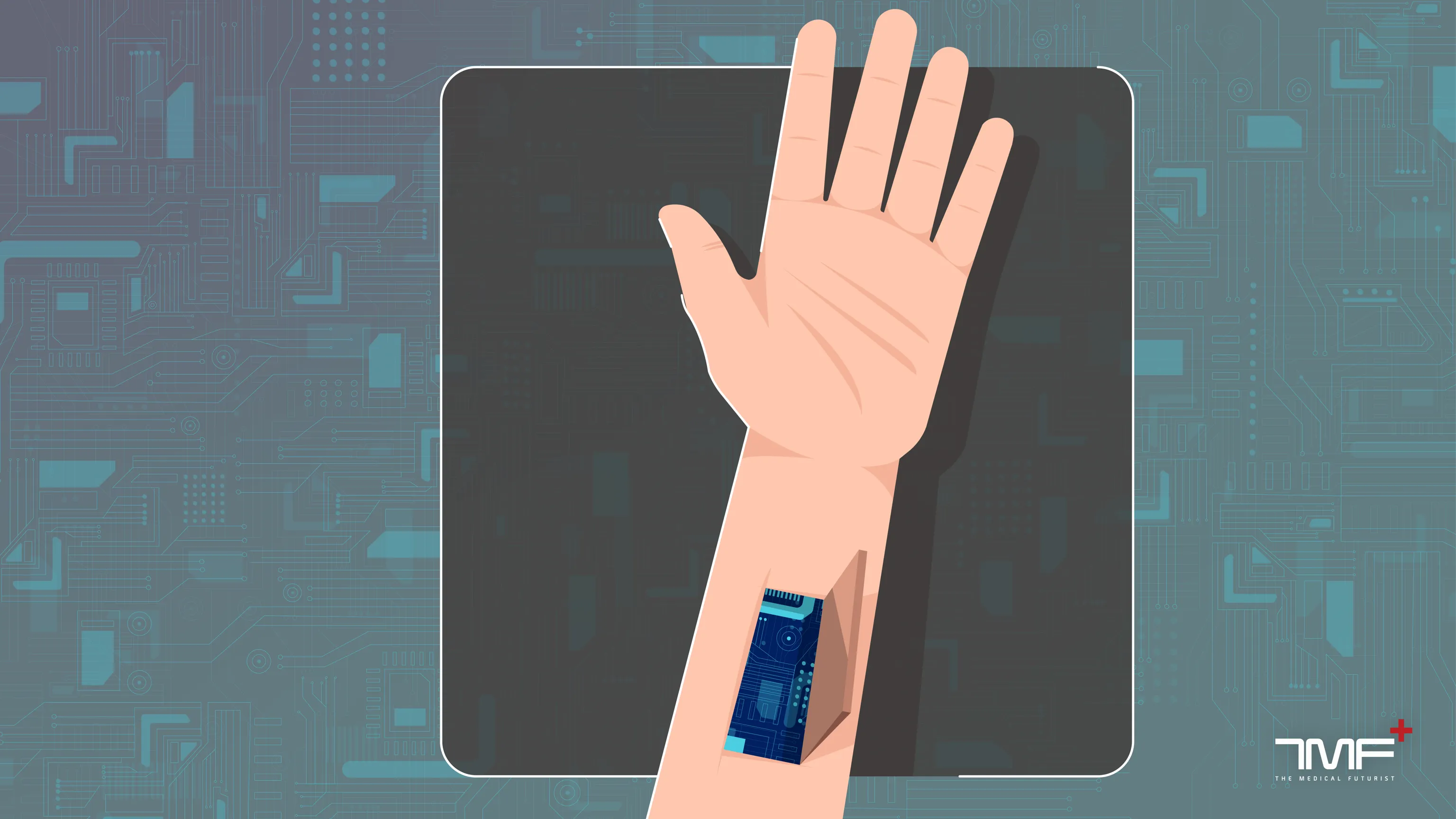
US-based biohacker Rich Lee can be termed as a grinder. He not only has NFC chips implanted in his fingers to perform tasks such as unlocking doors but also has a biotherm chip in his forearm to monitor his body temperature and headphone implants in his ears.
Regulations and future considerations of biohacking
Injecting oneself with CRISPR-modified genetic material and inserting chips in one’s fingers might not sound attractive, or even safe to everyone, and some DIY-biohacks might not be so. In Rich Lee’s case, while he has some successful stories, he also has unsuccessful ones to share such as badly implanted shin guards that had to be removed, leaving scars on his legs.
Regulation around human biohacking is currently limited; and given the DIY and unreported nature of the processes, the success rates and accuracy of biohacks are hard to gauge. Nevertheless, some countries have started taking some regulatory measures. Most EU Member States require biohackers to have a licence to carry out experiments; and in states such as Germany, infringement can lead to imprisonment. In the US, some biohacking activities are illegal such as agrobacterium-engineered plants and soil bacteria cultures.
As a relatively niche field, the biohacking movement is still evolving. “What we see today are the first steps by a brave group of pioneers,” Luke Robert Mason, director of the Virtual Futures organisation, told the BBC. “Today’s reality is a lot more experimental (and painful) than is often communicated to the public.”
“There is a lot that can be learned from the outcome of their self-experimentation,” Mason added. “Some have even argued that biohackers might increasingly be responsible in helping the advancement of wearables and wellness technologies.”
Indeed, while wearable devices for monitoring one’s health and fitness would have been within the realm of biohacking grinders a few decades ago, they are now considered as common tools of daily life. The tinkering of today’s biohackers could thus lead to influencing the digital health landscape of the future. For example, with proper regulations and guardrails, implantable wearables to become more commonplace in the future.
But before attempting invasive biohacks on your own, it would be recommended to consult with a healthcare professional. Considering that even biohacking your metabolism with caffeine can have side effects such as increased blood pressure and headaches, it would be recommended to discuss with an expert before performing more sophisticated types of biohacks.
Written by Dr. Bertalan Meskó & Dr. Pranavsingh Dhunnoo