Ozempic And Other Weight Loss Drugs Will Only Work With Digital Health
Ozempic alone doesn’t promote sustainable weight management and often results in weight regain after discontinuation. If you want long-term success, you need assistance from the digital health arsenal

Dr. Bertalan Mesko, PhD
11 May 2026
Key Takeaways
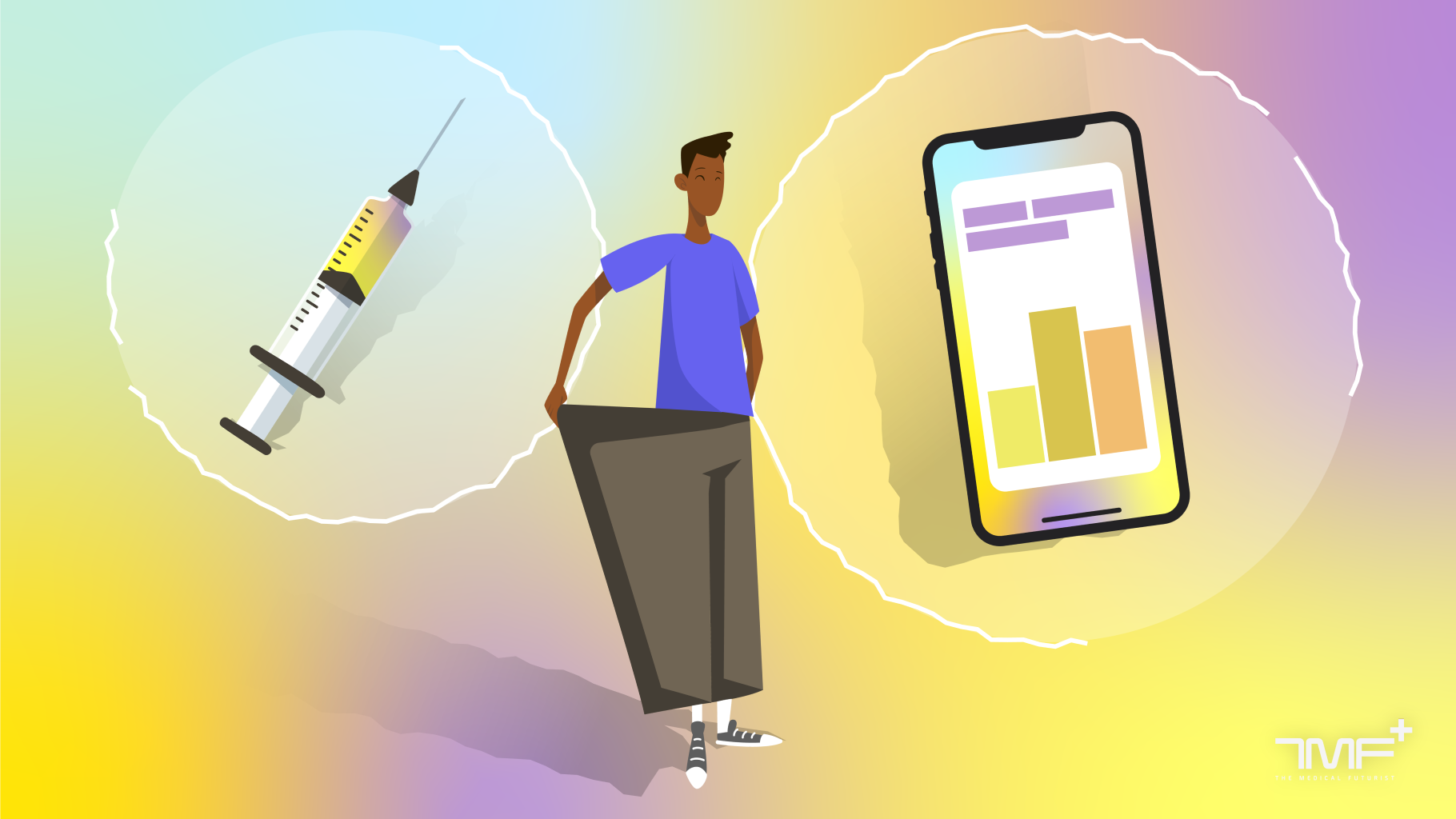
The “miracle drug” narrative surrounding Ozempic dangerously oversimplifies sustainable weight management, potentially leading to disappointment and weight regain when the medication is stopped.
Ozempic and similar GLP-1 agonists should be viewed as tools within a more comprehensive weight management approach, not as a magic solution that guarantees lasting results without effort.
Weight loss injections are now widely used as miracle drugs for effortless skinniness. But without digital health, they just won’t work in the long run. The U.S. Food and Drug Administration, the FDA, approved Wegovy, a semaglutide injection for chronic weight management in adults with obesity or overweight with at least one weight-related condition for use in addition to a reduced calorie diet and increased physical activity in 2021.
Semaglutide was originally used for the treatment of type 2 diabetes, and was found to have a major lucky side effect: being very effective in assisting weight loss. Semaglutide injections are sold under different brand names: Ozempic and Rybelsus are supposed to be prescribed to diabetes patients, while Wegovy was specifically developed for treating obesity.
These drugs belong to the group of GLP-1 receptor agonists, a category everybody just calls weight loss injections.
The miracle-drug epidemic
In the past few years, Ozempic (and the rest) has become a household name for the wealthy families of the most developed countries. It is best known as the miracle drug that makes you skinny without any effort, something that you can easily lay your hands on if you are ok with paying the $1000+ monthly price of moderate appetite. Regardless of whether you are supposed to get the injections from the medical point of view.
How come these drugs became a magic injection epidemic marketed by 19-year-old influencers on TikTok and A-list Hollywood celebrities? Legends from Oprah Winfrey to Whoopi Goldberg, from Al Roker to Elon Musk have an opinion on the issue, and it’s almost impossible to keep track of the dozens (or hundreds) who openly speak about using Ozempic to lose or manage weight.
The issue is a trending topic on all platforms, the #ozempic hashtag has well over a billion views on TikTok, where GLP-1 influencers share their experiences with the audience. They have tens or hundreds of thousands of followers, and they don’t rush to disclose what kinds of sponsorships are behind their weight loss content and often fail to mention potential side effects.
But the hype is not only visible on individual levels. In 2023, WeightWatchers acquired the telehealth company Sequence. Soon after the companyalso launched WeightWatchers Clinic, a platform where clients – who qualify – get prescription weight loss medication. Quite an addition to WW’s traditional focus on nutrition and exercise.
Ozempic alone won’t be enough in the long run
However, if you are willing to see a little beyond the borders of fairyland, it is obvious that the miracle drug narrative should be taken with a grain of salt. Quite a few people talk about how stopping Ozempic makes you immediately gain back the lost weight, including Dr. Terry Dubrow or Remi Bader. Not to mention others who openly discuss the uncomfortable side effects they experienced with these treatments, like Amy Schumer or Stephen Fry.
“There are a million ways to lose weight, why not do it through something that isn’t as boring as working out? And the people who hate on it the most are the people who are secretly doing it or pissed off that they can’t afford it.” – said Kelly Osborne. And her statement is the best illustration of where the whole Ozempic/Wegovy hype went wrong.
Wegovy was approved for weight loss in addition to a reduced-calorie diet and increased physical activity. Which is certainly not as appealing as the “do nothing and get skinny” narrative.
It should be packaged with a digital health solution
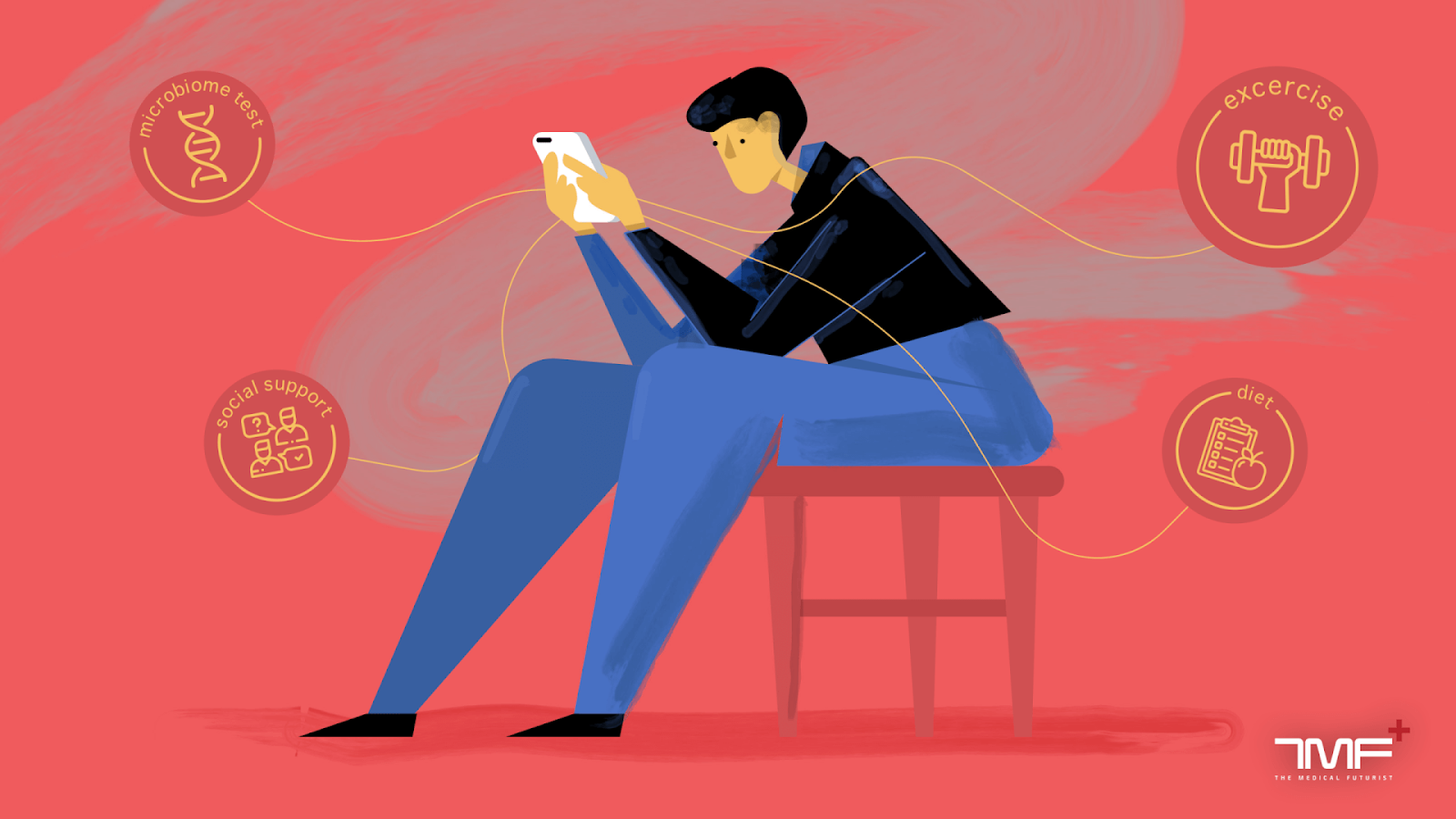
The hype around Ozempic often overshadows a crucial point: sustainable weight management goes far beyond simply suppressing appetite with medication. This is where digital health solutions come in, empowering people to build long-lasting, healthy habits and personalised support systems that make medication truly effective. We already wrote about 7+1 Ways Digital Health Technologies Help Fight Obesity a few years ago, and technology has improved a lot since!
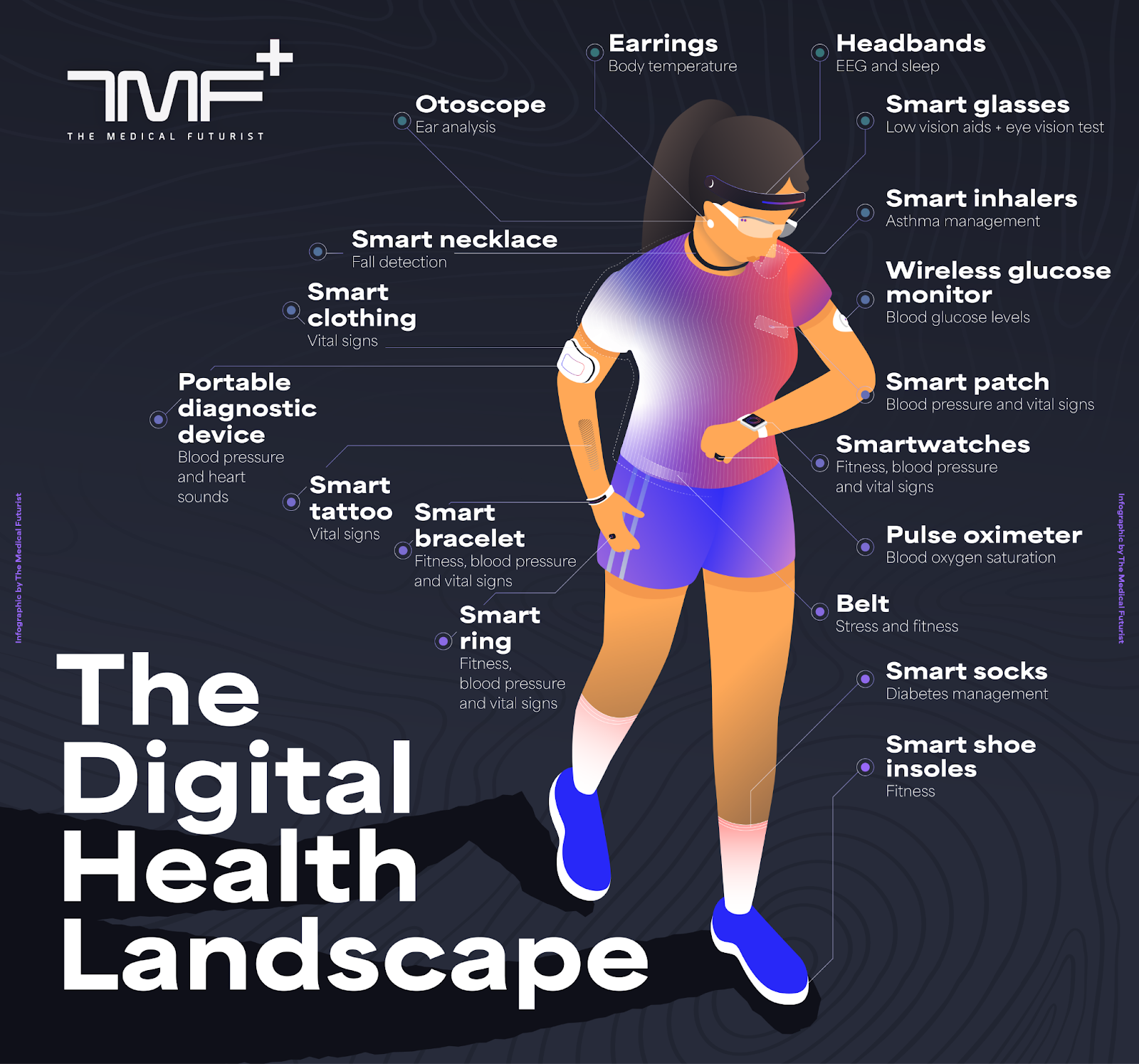
We have such a plethora of wearables with health insights attached. Tracking sleep or steps taken, calories burned, and workouts completed, users see their progress in real time. They can stay motivated and improve their fitness levels by setting daily goals and reminders. Fitness apps often include tutorials, workouts, and community support, making the exercise journey accessible and engaging.
Diet apps are another crucial tool, with features like calorie tracking and detailed nutrient breakdowns. They demystify the process of eating a reduced-calorie diet, empowering users to make informed food choices.
Meanwhile, emerging technologies like microbiome tests provide insight into our unique gut bacteria, potentially revealing imbalances that could make weight loss harder. Results from these tests could be used to develop personalised dietary recommendations in the future. And DTC genetic tests, while still a developing field, can shed light on how our bodies process food, paving the way for nutrigenomics – the potential to tailor dietary advice based on our specific genetic makeup.
The ‘miracle drug’ narrative around Ozempic is dangerously misleading. While GLP-1 agonists can be a helpful tool, sustainable weight management requires a multifaceted approach. Digital health solutions offer the personalizósation, tracking, and support needed to create the healthy habits that make long-term success possible. It’s time to shift the focus from quick fixes to true healthcare technology.
As proof of the above-mentioned reasons, MyFitnessPal announced a new set of tools and content to support members taking GLP-1 medications by helping them maintain proper nutrition and consistency while experiencing weight loss.
“Members will have access to a library of exercise videos to help maintain muscle, along with encouragement to eat and log high quality, nutrient-dense food to support the development of consistency and lasting healthy behaviors.” – the company statement says.
“The weight loss industry is rapidly evolving with GLP-1 medications at the forefront, but still little is known about the nutritional guidelines and wellness recommendations this cohort of patients should be following,” says Maya Feller, MS, RD, CDN, Founder and Lead Dietitian at Maya Feller Nutrition and MyFitnessPal Scientific Advisory Council Member.
“My biggest concern is that patients are accessing these medications without additional guidance on nutrition, exercise, mental health, or any other lifestyle changes that should be considered when taking a prescription medication.”