Network Medicine in the Fight Against COVID-19
Another promising area joining the fight is network medicine, a branch of network science.

7 min | · Updated
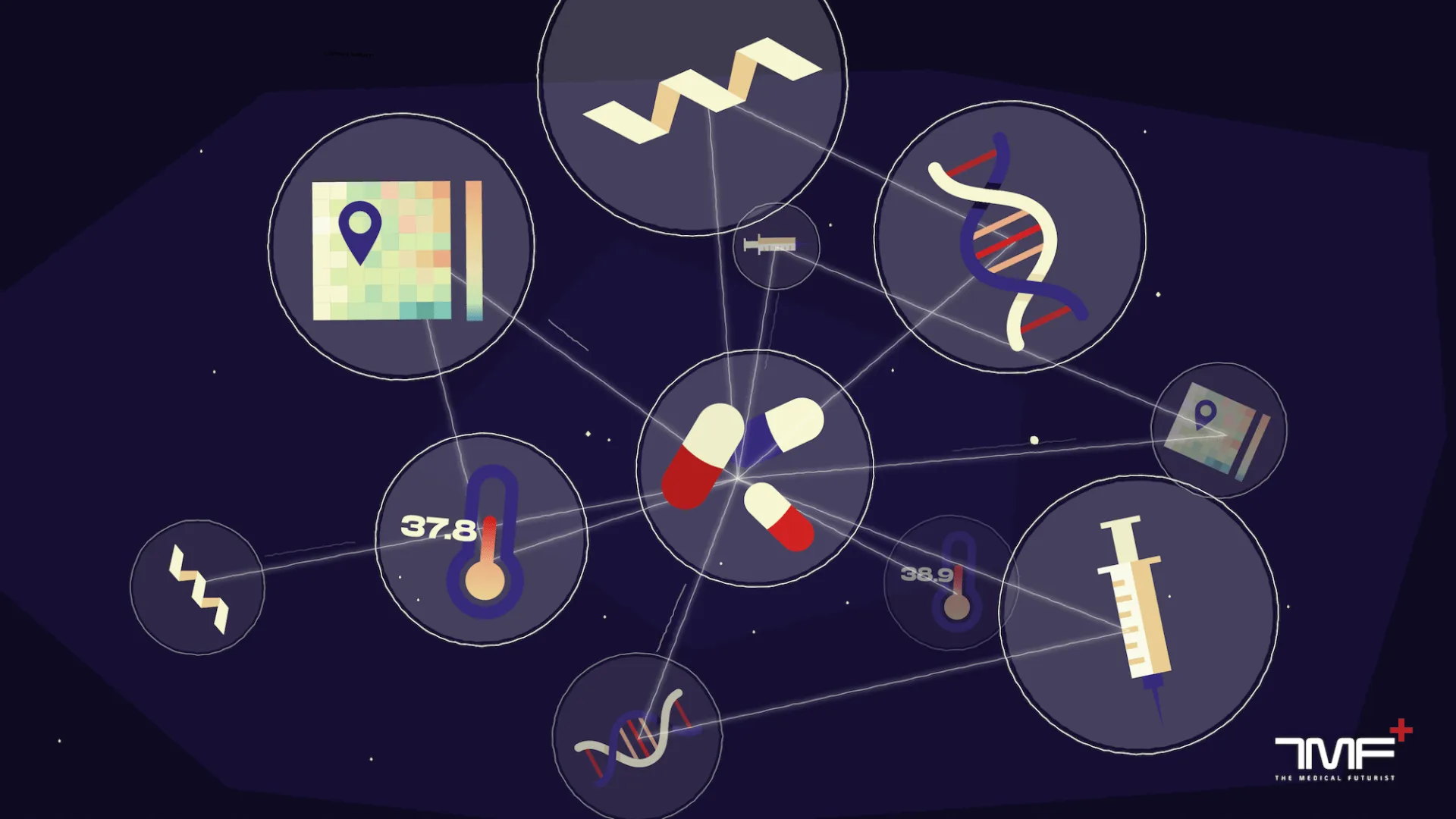
COVID-19 forced stakeholders in the healthcare landscape to adopt a new perspective in this sphere. Telemedicine rose to fame as a ready-made solution; artificial intelligence’s contribution became more apparent from early outbreak predictions to resource management; and digital health technologies lent a helping hand early on.
Another promising area joining the fight is network medicine, a branch of network science. The latter field studies the interaction between actors within a network. Such analyses are applicable to virtually any sector, from the world wide web through social networks to how molecules interact with each other. Applying such theories to human biology yields network medicine; the study of biological networks to better understand and help treat diseases.
One of network medicine’s pioneers is Albert-László Barabási, a distinguished university professor at Northeastern University in Boston, and his research lab, the BarabasiLab. In less than 10 days since repurposing their network medicine toolset to find a treatment for COVID-19, the BarabasiLab had a list of promising drugs for testing in human cell lines in an experimental lab. We turned to Prof. Barabási for additional insights regarding network medicine’s contribution in the COVID-19 fight. But first, let’s get acquainted with the science in question before turning to the scientists behind it.
What is network science?
It is often claimed that “networks are everywhere”, and it’s not far from the truth. Network science hails its origin from scientists studying the interaction between entities, essentially, analyzing their networks. Two major components make up those networks: nodes (or vertices) and links (or edges). The latter are the connections between the nodes, which themselves represent anything from individual humans to websites to economic systems to, you guessed it, viruses. These actors within a network can influence their “neighbors” and such interactions, if studied with the help of mathematical models, can better help understand the network in question and address issues relevant to it.
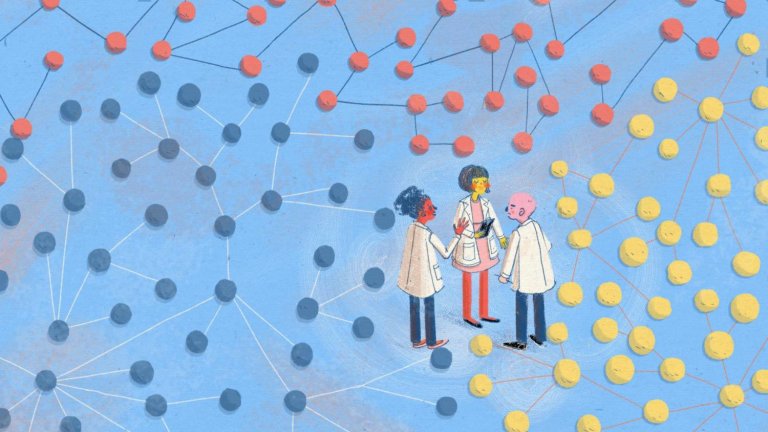
A seminal paper from 1998 put forth the model of ‘small-world’ networks; an idea stipulating that “everyone in the world is connected to everyone else by just six degrees of separation”. This theory led to more research interest in this field; and thanks to the increased computing power that came along during those times, the ability to study networks in more details was possible; further leading to a boom in researching the science of networks.
From network science through network medicine to COVID-19
Prof. Barabási wrote in his 2007 paper that “networks pervade all aspects of human health”. By applying network science to human physiology (and pathology), he raised a paradigm shift in how we perceive ailments; writing that “diseases may not be as independent of each other as medical practitioners currently consider them to be”. He concluded the paper by coining the term “network medicine”; where networks include nodes representing biological factors, such as molecules and diseases, and links are their relationships, like metabolic pathways and shared genes.
Network medicine has since picked up steam. It now helps scientists study the interconnected relationships between networks such as that of genes, proteins and pathogens. Even institutions like MIT and Harvard offer courses dedicated to this field.
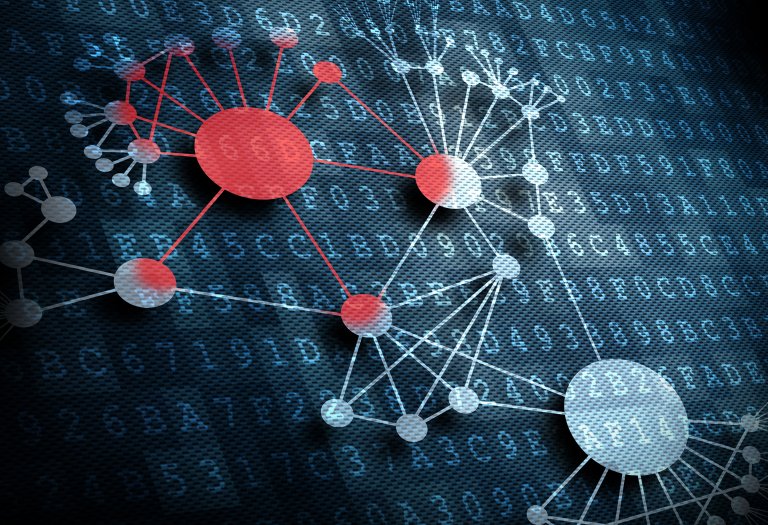
Naturally, Prof. Barabási’s research lab, the BarabasiLab, has dedicated its work in this field, and recently took interest in COVID-19. They are using past research on viral-host interactions, along with new data on protein-protein interaction map for COVID-19, as well as assistance from artificial intelligence, to find a treatment for the novel coronavirus.
“In many ways, the COVID offers a great test for us to marshal the set of highly predictive tools that we as a community [have developed] in the past two decades,” Barabási said.
How is network medicine finding a treatment?
A treatment for COVID-19 does not necessarily mean a brand-new vaccine or drug. In fact, existing drugs can be repurposed to improve the conditions of those infected. Moreover, given the urgency of the current pandemic, “we do not have time to develop, test, and clinically approve new drugs,” Barabási told us. “The most time-efficient approach is drug-repurposing.”
With this in mind, the BarabasiLab turned to the findings from a group of researchers published this March about 26 of the 29 proteins that make up the SARS-CoV-2 viral particle. They also identified 332 human proteins that bind to those 26 coronavirus proteins; interactions of which lead to COVID-19’s devastating consequences.
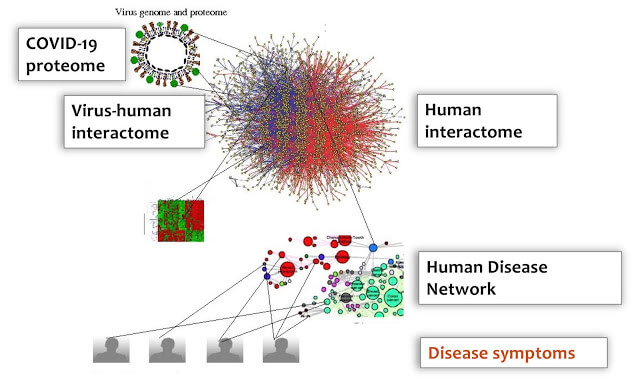
Prof. Barabási and his co-researchers used their network medicine toolset to track all possible interactions between these proteins. Out of these 332, they found that 208 interact with one another, effectively forming an interactive network.
“By simply identifying what neighborhood the virus hits, we can identify what are the potential drugs that are hitting in the same neighborhood, and therefore could be effective against the virus,” Barabási said.
Using this method, they identified promising drugs previously not considered. “We are not limiting ourselves to drugs that hit those proteins that the virus targets,” Barabási explained. “We can also discover drugs that hit in the neighborhood that the virus targets”. These candidates are now in experimental labs for testing.
Fresh insights into COVID-19
Interestingly, applying network science in better understanding how the novel coronavirus interacts with the human cell is not only uncovering new potential treatments but also fresh insights into its functioning. A majority of the human proteins that interact with SARS-CoV-2 are in the lungs; hence the common complications that arise.
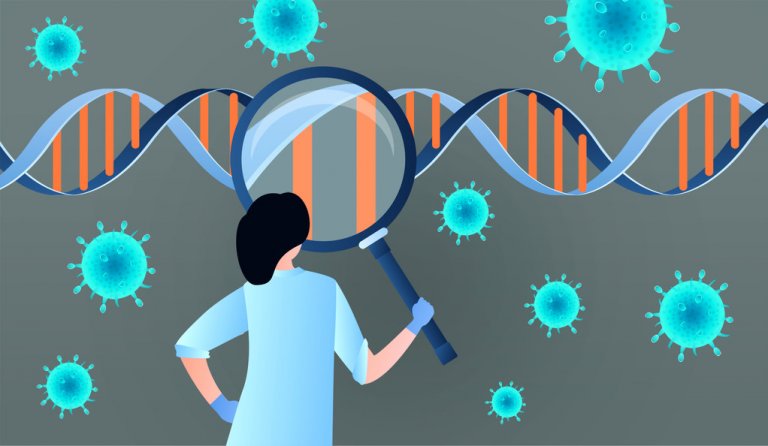
However, Barabási’s group also found coronavirus network-based activities in several areas of the brain. This could help explain the neurologic symptoms reportedly associated with COVID-19, such as loss of smell and taste sensations or a higher risk of stroke.
Moreover, the brain and the lungs aren’t the only areas of interactivity within the COVID-19 network. Their findings showed that it may affect the reproductive organs, digestive system, kidney, spleen and even the skin of some patients. This could bring researchers from other fields’ attention to these organs; and better help decipher the conditions that could be associated with COVID-19, without traditional symptoms.
The need for a helpful network
Just like the networks of interconnecting proteins studied, a robust network of people and technology is needed to fight COVID-19. The BarabasiLab’s findings involved a group effort. Marinka Zitnik, an assistant professor at Harvard Medical School, applied machine learning to help Barabási’s group sift through the data on potential drugs for repurpose. Joseph Loscalzo, professor at Harvard Medical School, helped the team further narrow down the drug candidates by discarding those potentially toxic or impossible to administer intravenously or orally.
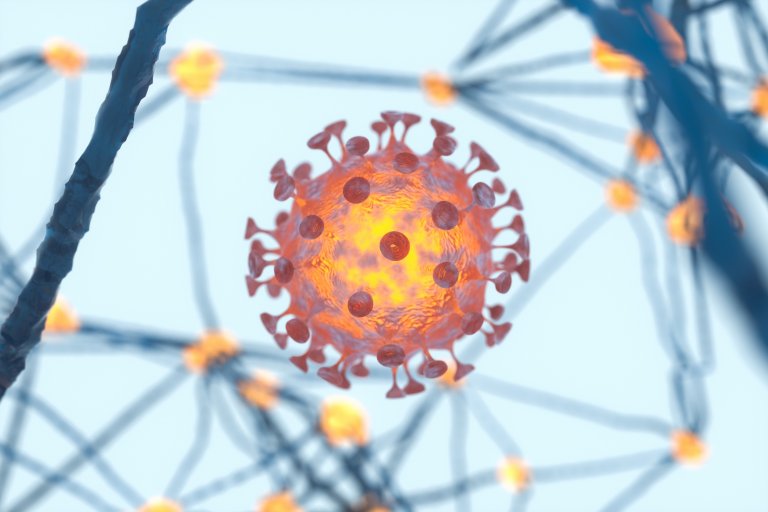
“This cannot be done by one group,” Professor Barabási told The Medical Futurist. “Even the predictive pipelines were built by researchers from two universities, Harvard and Northeastern, as well as a company, Scipher, whose researchers have donated predictive tools and time. The experimental testing will be done by yet another facility, the National Emerging Infectious Diseases Laboratories at Boston University. And if we fund promising drugs, I am sure that multiple hospitals will get involved in clinical trials.”
Similarly to this network of collaborating experts, we need collaborative efforts on every level of society to defeat the ongoing COVID-19 crisis. If we embrace digital health technology sooner within our network, the impact of a subsequent crisis will be less severe.