Looking Back At COVID-19 From 2030
This time we put on our VR headsets, fast forward to 2030 and have a look at what we have gained and what we lost to the virus.

7 min | · Updated
We have already analysed how COVID-19 would have taken place in a digital health utopia, if all the digital tools had already been in place when this pandemic hit us. (Spoiler: it would’ve been much, much better). When weighing the possible outcomes of COVID-19, we drew three scenarios on how life will, can, and should change after the pandemic. This time we put on our VR headsets, fast forward to 2030 and have a look at what we have gained and what we lost to the virus.
There are certain points in our history we all remember. Whoever lived, knew exactly what he was doing the moment JFK got shot. When the twin towers collapsed. And when COVID-19 hit.
“It’s the end of the world as we know it” – sang R.E.M. back in 1987, and although there was no pandemic in sight, the band got the message so right that 33 years later the song got back on charts: it was the 23rd most downloaded song in the U.S. this March. The apocalyptic song might be with us for 33 years but the pandemic probably won’t. However, we surely know what we were during the first months of 2020, and how the world has changed from one day to the other. There will be books, novels, memoires, pop songs and films about this as 2020 will most certainly mark the beginning of a new era.
Handshakes are soooo 2019
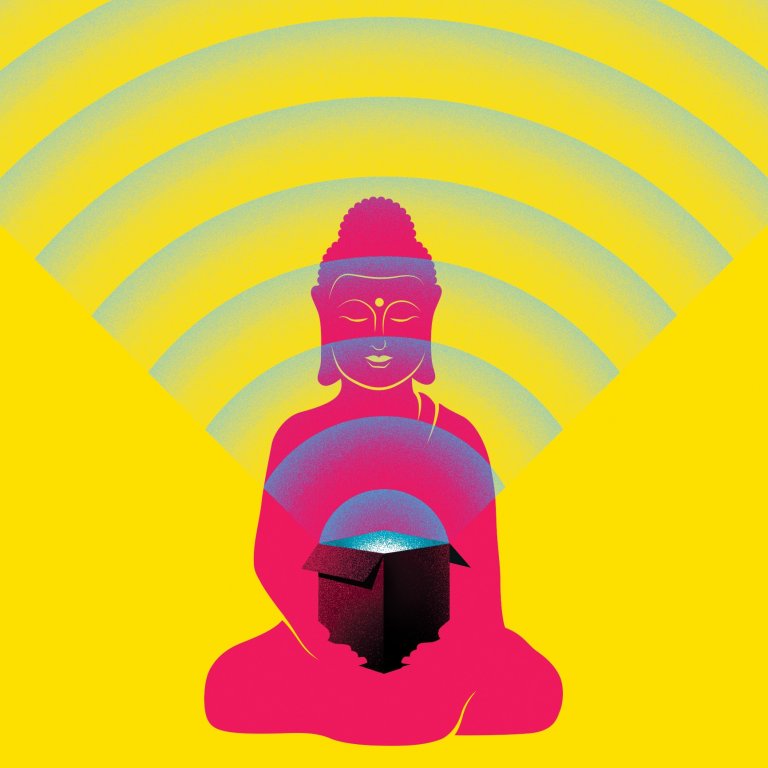
Remember the time people used to shake hands upon meeting each other? This was one of the first things we got rid of when the virus hit. Long gone the father-son moments of teaching a proper handshake – in 2030 we’d rather do the Vulcan salutation. Much more modern, and it also requires a bit of finger training to do it right.
Washing hands, blast from the past
Simply because we’ll all wear protective gloves – at all times. In fact, these are haptic gloves and we can control pretty much everything with it: our smarthomes, our cars, our computers and of course, our games.
Social distancing as alienation effect
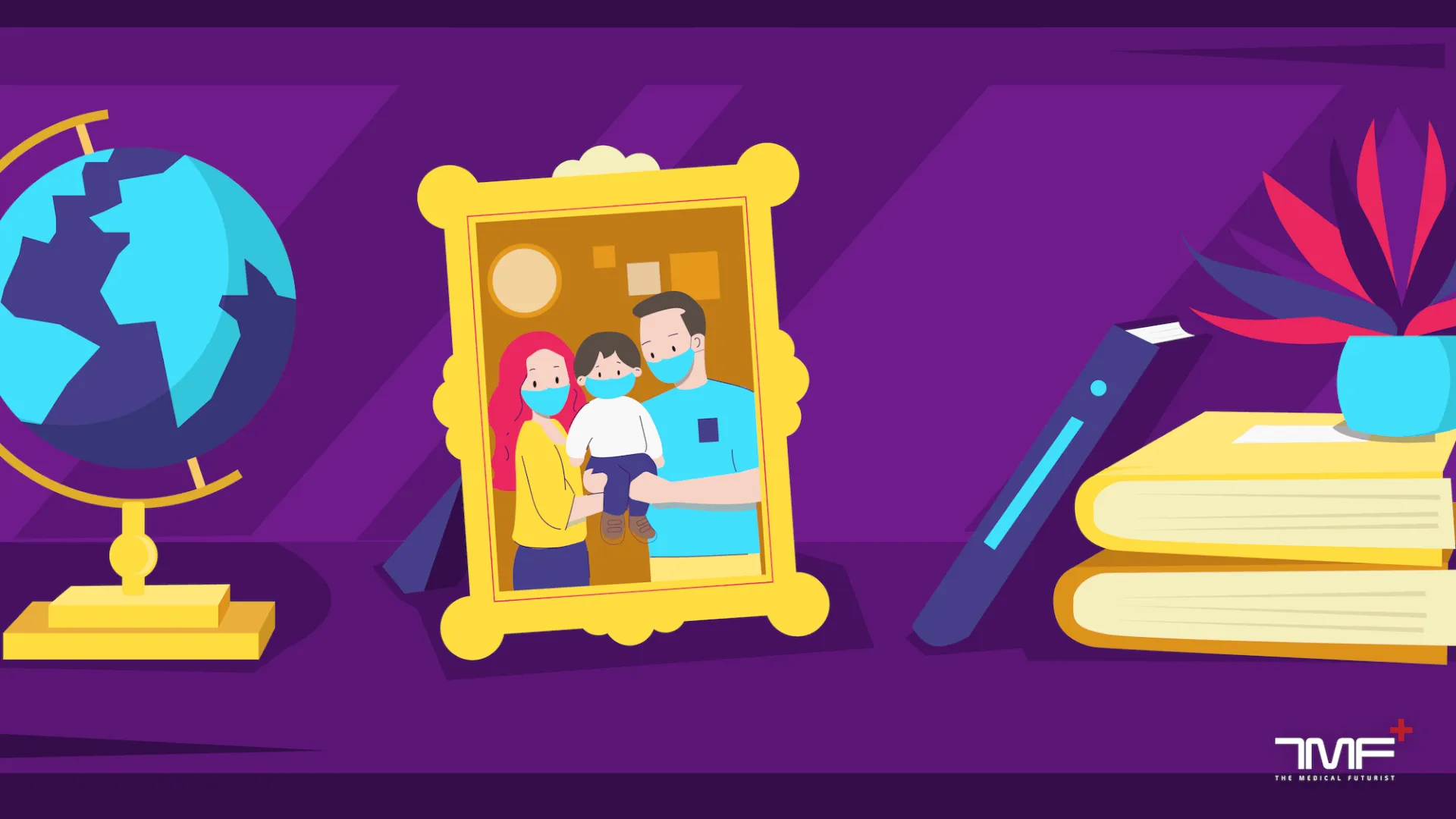
The so-called “Verfremdungseffekt” is originally a theatrical technique based on the concept of German drama Bertold Brecht. This “distancing effect” was used to prevent viewers from forgetting they watch a play. This is one of the real unfortunate effects of the first pandemic – our lives in the human sense never got back to normal. We only hug the ones close to us (and we trust), our classrooms are much bigger since pupils need more space among each other away from teachers (will all high school yearbooks feature kids in masks?!), and kindergarten nannies teach keep-away rhymes to kids to remember not to hug each other (or require immunity ID first).
Holidays? We’d rather go domestic
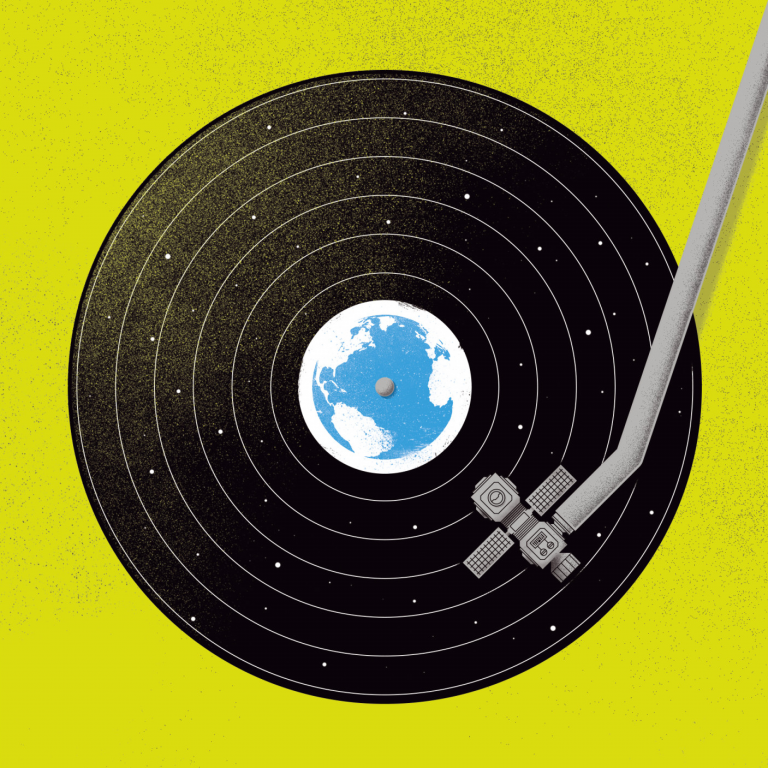
The extreme amount of global travel we experienced in the 2010s is also a thing of the past. With many airlines never recovered from the 2020 lockdown, traveling by air is much more seldom. Supertrain networks in the US and in Europe make sure one can get to places superfast. People also opt for taking cars to discover domestic destinations. Moreover, with the evolution of VR technology, VR equipment helps you easily set up a little Havana or Bali on your balcony, which costs a lot less and lets you stay safe at all times.
As 2020 brought the era of online meetings, the number of business travelers are down, and by 2030 most companies have a no-go policy, saying goodbye to unnecessary air mile-collecting. Cautious air travel is possible, but is challenging: it takes more time and there are extra security costs. Many people have simply decided it’s not worth it.
Science above politics
Luckily, humanity finally chose the right path – at least for now. In 2030 we all listen to scientists before politicians, and the media is only a platform provided to facilitate the clash of smart argumentation between society and scientists. Is this too far-fetched? This is what the Swedish are trying to do (and in 2030 we’ll already know if that was successful). In any case, humanity had to experience a global pandemic to start listening to science again. And hopefully won’t ever stop doing so.
…and smart politics over old slogans
The 2020 U.S. elections showed a distinct split from the past both in terms of social and healthcare issues. Since then, politicians and parties all over the world (with only a few exceptions) have been focusing on improving healthcare and rewarding the health workforce in their campaigns.
We listen to A.I. (but make decisions on our own)
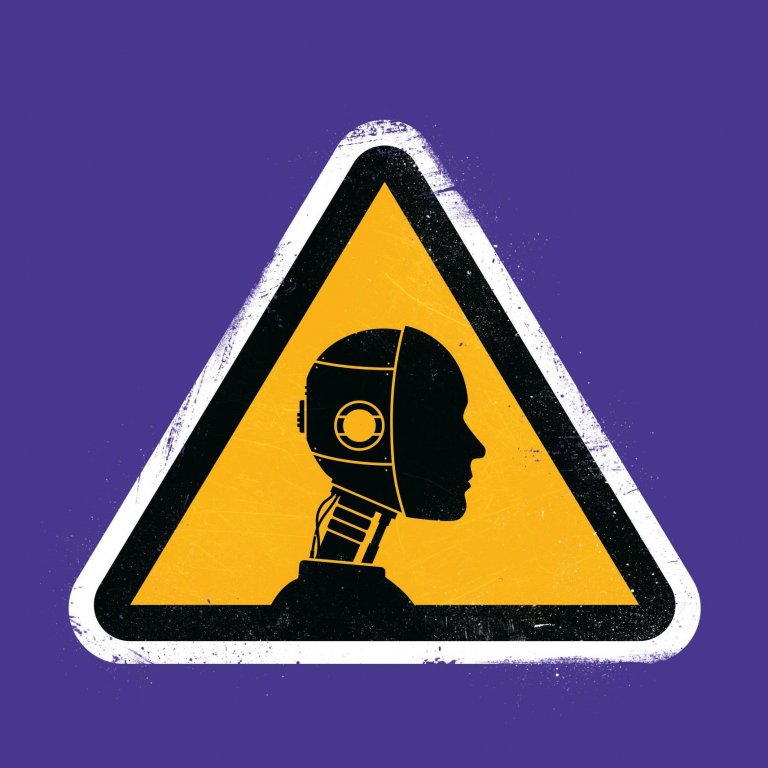
By the end of the decade, we mastered the science of digital technologies and eradicate bias out of all programming. This means we can trust A.I. when it comes to big data, when it issues warnings, helps in drug design. It even helps forecast the spread of the outbreaks that occur from time to time. Ultimately there has been a global cooperation on pandemic control and digital dominance does not overwhelm everyday life of people but helps us make informed decisions.
Patients as the point of care
By 2030 telemed has become the normal way of primary care: what started with COVID-19, became full reality. It takes only a technological step (telemed or chatbot) to get to meet a medical professional. As patients become the point of care, doctors handle their patients’ data online through blockchain technology. They cooperatively make joint decisions, based on the apps and wearables of the patient.
Healthcare data is the new oil
Since the heat of coronavirus, we all know we have to give up some of our privacy aspects for better healthcare and virus spread prevention. Sharing our data keeps our families and societies safe. We also know that our sensitive data is securely locked as global guidelines were set for it in 2022.
Biotechnology on top
Biotech is now the new energy industry. It helps create innovative medications and vaccines when needed and are valued more than ever – we said in 2020 that it would revolutionize healthcare, and by 2030 it certainly did. Biotechnology is featuring products that combine electronics and living cells, implants and body improvements are a new norm just as gene sequencing is the first gift babies receive all over the world including their pharmacogenomics, so parents immediately know which medicine will help their child in the future.
Okay, so all the above is imaginary.
We can’t surely know what really will happen to humanity by 2030. There will probably be multiple waves of pandemics over the next decade. There will be major decisions that need to be made on digital security as well as environmental issues on local and global scales; and those will affect everything from the economy to housing, travel and our lifestyles directly.
It will also affect who we elect as our leaders, as in 2020 many governments try to take advantage of the pandemic situation, an issue we must bear in mind next time we stand at the polling station. And maybe all this will bring a spiritual uplift where compassion and cooperation are real and ordinary.
One thing is certain, in 2030 we’ll all remember what we were doing during these first months of 2020. Or, as the Queen put it in her memorable speech:
“I hope in the years to come everyone will be able to take pride in how they responded to this challenge (…). The pride in who we are is not a part of our past, it defines our present and our future.”
May you need a more down-to-earth guide into the future, check out the Guide To The Future Of Medicine as it reflects on the very latest innovations and what we can expect in the future.