Gyms As Longevity Centres Of The Future
What will such centres look like, and what does this evolution signify for the general public? We dive into these and more in this article.

4 min |
Key Takeaways
Gyms are evolving to integrate services that are looking beyond near-future fitness and into longer-term benefits.
The concept of longevity has gained traction in recent years, and gyms are tapping into this trend.
In this article, by analysing real-life trends and examples, we consider the very possible ways that gyms could turn into the longevity centres of the future.
When you think of gyms, what comes to your mind? It’s likely a combination of fitness activities and equipment (and maybe some long-forgotten New Year’s resolution). This traditional gym concept is set to receive a serious makeover in the digital health era.
Some fitness centres are already incorporating services that are looking beyond near-future fitness and into longer-term benefits. This might indicate a very plausible scenario where gyms become longevity centres.
What will such centres look like, and what does this evolution signify for the general public? We dive into these and more in this article.
What is longevity, and how do gyms fit in?
“Don’t die” might be the most simple, if not oversimplified, way of describing longevity. This concept has been popularised recently by social media influencer Bryan Johnson, who has a book and a Netflix documentary titled ‘Don’t Die’ that describe his attempt to live forever.
However, longevity endeavours have existed for decades, although relatively niche until now, with institutes such as Human Longevity Inc. and the Google-backed Calico dedicating research to “solve death”. Essentially, longevity is a subfield of healthcare that focuses on prolonging human lifespan and healthy living.
While longevity was mostly constrained to academia and the ultrawealthy (Bryan Johnson is a multimillionaire who spends $2 million a year on his attempt for eternal life), the aim of living healthier for longer has gained popularity in recent years. This is partially due to the COVID-19 pandemic, which highlighted the importance of immune and mental resilience as well as general long-term well-being.
As a result, the global wellness economy is booming, with longevity considered the fastest-growing subsector. This has enticed clinicians and investors to create dedicated longevity clinics, but gyms might have an edge over classic medical care.
The healthcare field has traditionally been among the slowest to adopt new technologies and trends. Even if some dedicated longevity clinics have emerged, their novelty means that engagement is not guaranteed. On the other hand, gyms are well-positioned to tap into the longevity trend thanks to their existing infrastructure and membership base. Above all, being consumer-driven means that gyms move fast to satisfy their clients and can expand their offerings to integrate cutting-edge technology.
How can gyms serve as longevity centres?
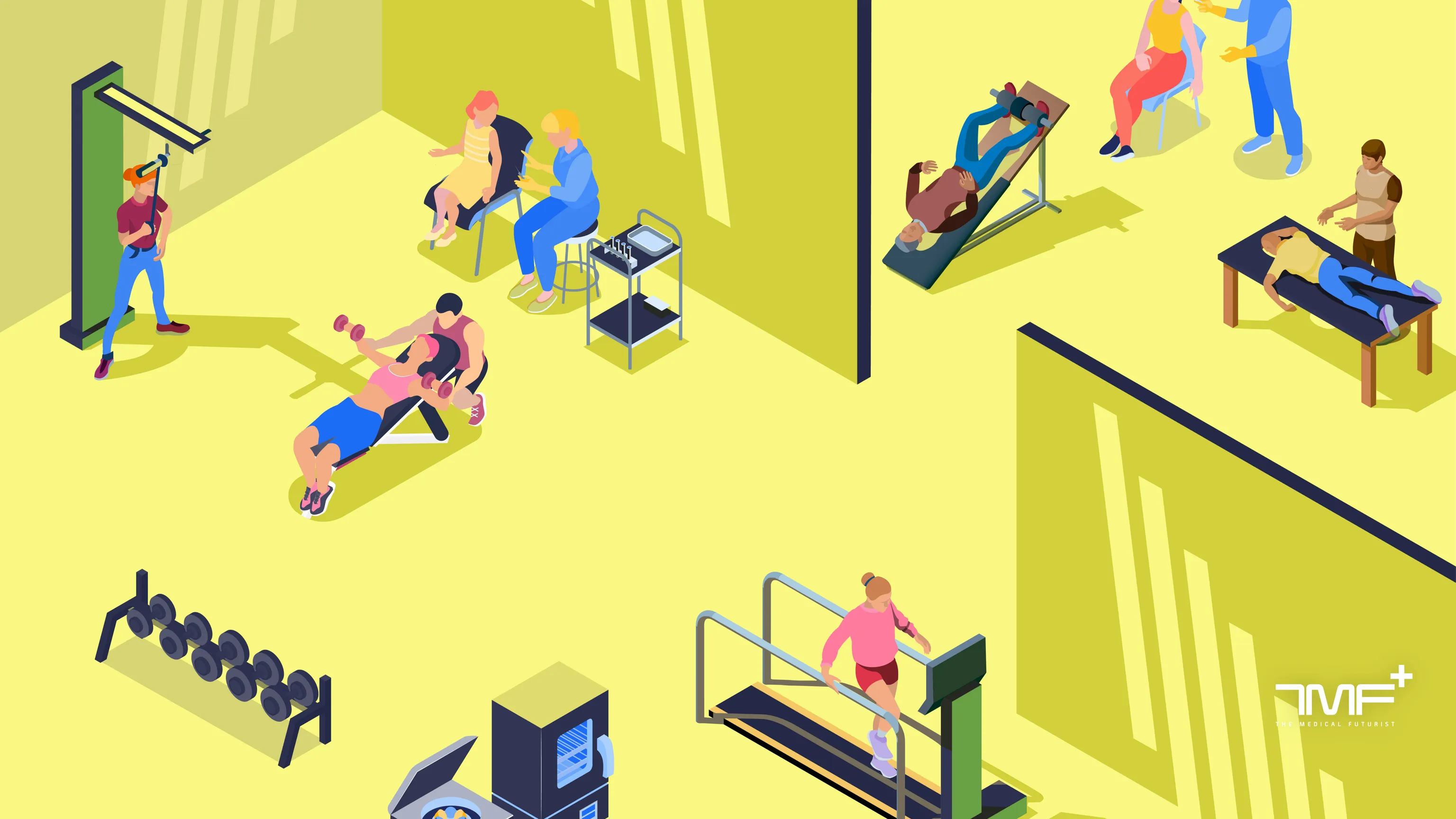
Within their existing infrastructure, gyms can be adapted to include areas for longevity services such as recovery zones and diagnostics. Given that their existing audience is already invested in their health, that audience is likely to be receptive to longevity services. In addition to their traditional services, gyms could provide, under one roof, lifestyle coaching, recovery therapies and personalised diagnostics to promote longevity.
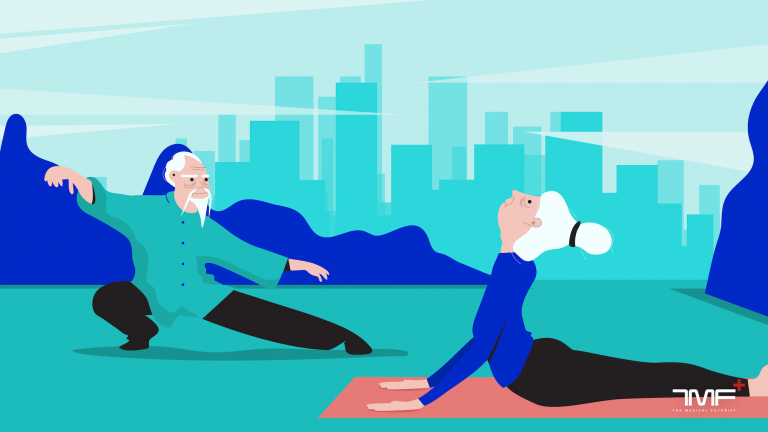
These are not just hypothetical potentials, but several gyms around the world are evolving to become what could be termed as longevity centres. Equinox, which has over 100 clubs worldwide, has expanded its services to include biomarker testing and personalised health regimens. With this service, a dedicated team of health and wellness experts covers fitness, nutrition, sleep and massage for Equinox’s members. London’s KX club adopts a holistic approach to fitness with medical diagnostics, IV vitamin therapy and nutritional coaching for comprehensive health optimisation.
In Singapore, Chi Longevity and Sparkd have launched what they call “the first evidence-based healthy longevity gym in the world”. Guided by medical diagnostics to ensure measurable outcomes, their programme focuses on a “brain-body fitness” concept designed to enhance cognitive and physical performance. “The future of longevity isn’t just about living longer, it’s about living sharper, stronger, and healthier for longer,” said Anna Milani, founder of Sparkd.
A new era of gyms
This trend towards the adoption of longevity in their midst indicates that a new era might be on the horizon for gyms. We are likely to see more of such services being offered for a holistic luxury fitness experience. However, this means that they might not be out of the price range for most people.
But beyond pricing, there are challenges that traditional gyms will have to face as they evolve into true longevity centres. Their staff will have to be upskilled to gain additional training and expertise, and they might even want to include healthcare professionals to ensure the quality of their services.
The integration of longevity services into gyms is likely to become more prevalent as consumer demand for preventative care increases and technology advances. This trend could lead to a more personalised and integrated approach to healthcare, with gyms playing a key role in promoting well-being and extending healthy lifespans.
Written by Dr. Bertalan Meskó & Dr. Pranavsingh Dhunnoo