Generation Q(uarantine): Children Of The Pandemic
A child, who is now 10 years old has spent one-tenth of his/her life in quarantine, away from grandparents, friends, school, sports and other activities. […]

8 min |
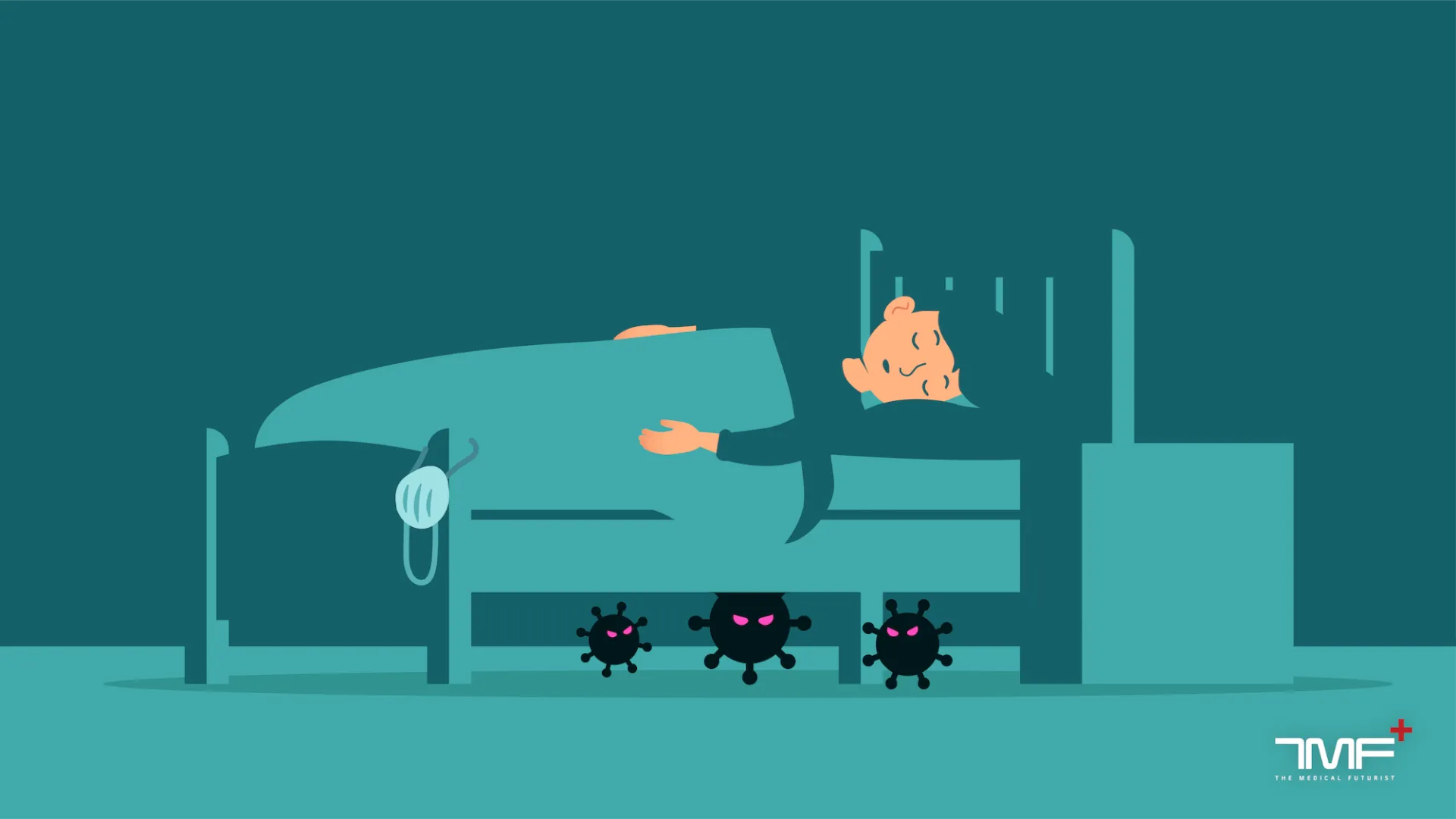
A child, who is now 10 years old has spent one-tenth of his/her life in quarantine, away from grandparents, friends, school, sports and other activities. This has a devastating effect on their social, physical and mental development. More than a quarter of children (aged 5–16 years) reported disrupted sleep. 18% of kids in the UK with probable mental health problems felt fearful of leaving the house because of COVID-19. COVID-19 became the monster under the bed – and it’s likely to stay. No wonder these kids are already being dubbed as Generation Q – as in quarantine.
COVID-19 has put a spotlight on existing problems that some call the biggest pandemic issue we face today: mental health.
The fears implanted by the virus are going to be embedded into this young generation. We can’t even begin to think about how it will turn out when they grow up. Will they be more fearful? Less independent, less brave, or right the opposite, will they become more resilient? Studies are in the making, but what is certain is that this generation has way too much on their shoulder.
A worldwide scale of anxiety, loneliness and fear that had been there before added up, and investigation found rise in school safeguarding reports, eating disorders and sleeping pill prescriptions. Parents struggle to get help, and, as a social worker in the UK put it “everybody feels anxious at the moment. You don’t want that to develop into anything more sinister for a young person.” And without help, these kids have the chance to deteriorate.
Help is hard to come by
Despite the fact that governments know of the impending issue of children being unable to cope with the aftermaths of the pandemic, with vaccinations and economic struggles on their minds, these issues are most likely not on the top of their agenda. Small-scale solutions are, however, popping up. Even though they don’t reach too many children (like this teacher who wrote a children’s book about COVID-19 while in quarantine), they are steps into the right direction.
“By April last year, the pandemic had disrupted education for around 90 per cent of the world’s school-age children. An unprecedented 1.4 billion students were shut out of schools in 192 countries” – wrote advocacy NGO Human Rights Watch in a report. And those who had access to technology were considered lucky, as, according to the same report, “more than a third have no access to remote education because they have not been provided with the tools or support to continue learning from home.”
The ups and downs of technology
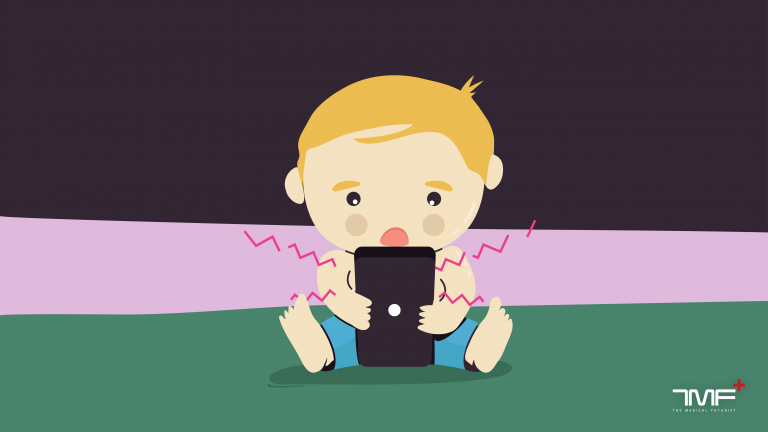
Technology was at hand to help kids participate in online classes, do exercise and stay social. But that didn’t always turn out right.
As UNICEF pointed out, “while technology and digital solutions provide significant opportunities to keep children learning, entertained and connected, these same tools may also increase their exposure to a myriad of risks. Even before the pandemic, online sexual exploitation, harmful content, misinformation and cyberbullying all threatened children’s rights, safety and mental wellbeing.”
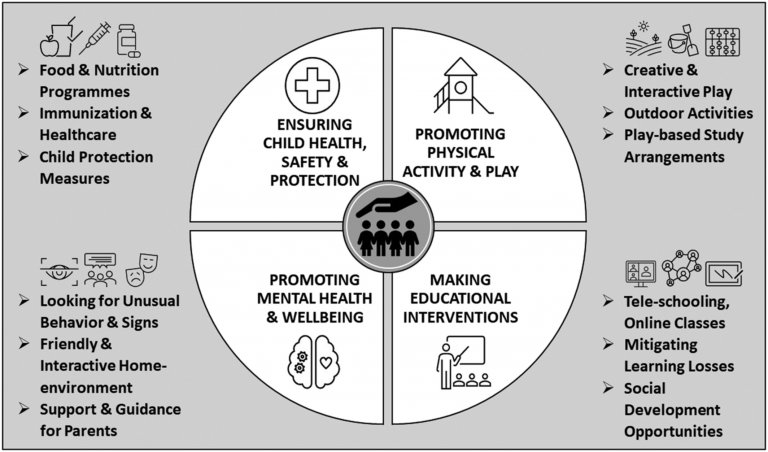
UNICEF recommendations
In their February 2021 statement, the agency put forward several milestones on how various stakeholders can step forward and protect children. Some of the key suggestions were
1) For Governments: train health, education and social service workers about the impact of COVID-19 on child well-being, including increased online risks;
2) For The Tech Industry: guarantee that online platforms have enhanced safety and safeguarding measures for children as well as to increase investments in safe technologies and content that promote quality learning and skills building;
3) For Parents: help the children understand the risks presented by the Internet and digital technologies as well as be alert to signs of distress that may arise with online activity;
4) For Schools: grant children access to school-based counselling services.
If you want to know more about how children are exposed to these sometimes problematic technological developments, The Global Campus of Human Rights created an online course, where experts (from Edward Snowden to Dr Bertalan Meskó) are promoting a more ethical, human-centric, and accessible tech-infused future for our kids.
Child rights in healthcare
Children’s rights were also compromised in healthcare systems. That is why a new organisation called the European Children’s Hospitals Organisation (ECHO), representing leading paediatric hospitals across Europe, calls on children’s hospitals and public health systems to ensure that the rights of children are central in the new normal of COVID-19.
As they mentioned in their study in The Lancet, “as anchors of paediatric care in our communities, children’s hospitals have a moral responsibility to ensure that the rights of children are protected and promoted in pandemic response planning. This applies not only to the COVID-19 response but also to planning for future pandemics.”
Netherlands-based international children’s aid and advocacy organisation KidsRights created their KidsRights Index 2020, and began with the statement “around the globe, children’s rights are seriously affected by the coronavirus outbreak.” The organisation also pointed out how under-funded child’s issues are globally: “The index shows that countries worldwide allocate insufficient budget for children’s rights, specifically on domains such as protection, health and education.”
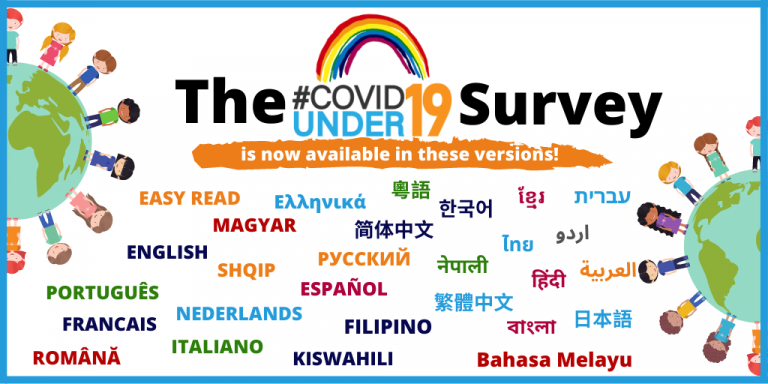
Swiss-based Terre Des Hommes created a worldwide survey to measure children’s wellbeing during COVID. Their project, #CovidUnder19: Life Under Coronavirus is an initiative to meaningfully involve children in responses to the COVID-19 pandemic. 26,258 children from 137 countries responded to the survey – and the results are not surprising.
“I’m waiting when school will reopen so that I don’t need to work,”
said a 13-year-old girl from India.
The pandemic had a major impact on children’s experiences and rights. Beside feeling pressured from school tasks, respondents also spoke about missing physical closeness and hugging their family and friends, missing out on key milestones such as birthdays and graduation.
As the survey also served as a channel for children around the world to portray their thoughts and feelings about the pandemic to the world, they took the chance and put forward a couple of suggestions to governments. For example to provide reliable & accessible information and prioritise & invest in health.
Maybe it’s time for us adults to start listening to them.
|
At The Medical Futurist, we are building a community for making a bold vision about the future of healthcare reality today. Dr. Bertalan Mesko, PhD, the Director of The Medical Futurist Institute, launched The Medical Futurist to help individuals, companies, and governments understand how digital health technologies bring healthcare into the 21st century. “Digital health technologies empower patients to become proactive in their life; empower medical professionals to do their job being supported by advanced technologies, and companies and policymakers to make better decisions about their future.” – Dr. Bertalan Meskó To support this transformation, Dr. Meskó and The Medical Futurist team is working relentlessly analyzing the latest trends in digital health and bringing insights to the 800,000+ readers and followers of our publications, along these principles:
For 2021, we commit to another year of high-impact reporting that helps people navigate the jungle of digital health and to see where it is heading. With no shareholders or billionaire owners, we set our own agenda and provide unbiased insights that are free from commercial and political influence. If you’d like to support this mission, we invite you to join The Medical Futurist Patreon Community. A community of empowered patients, future-oriented healthcare professionals, concerned health policymakers, sensible health tech developers, and enthusiastic medical students. If there were ever a time to join us, it is now. Every contribution, however big or small, powers our research and sustains our future. Click here to support The Medical Futurist from as little as $3 – it only takes a minute. Thank you. |