Digital Health Helps Tackle Indoor Air Pollution
“We are placing a spotlight on the fact that air pollution isn’t just a problem on our streets, but in our homes too. You can’t […]

6 min |

“We are placing a spotlight on the fact that air pollution isn’t just a problem on our streets, but in our homes too. You can’t just close your door and shut out air pollution.” says Chris Large from Global Action Plan after their study found that indoor air is 3.5 times more polluted than the air outside. This 2019 study measured polluting nanoparticles in four British towns and cities in- and outdoors as well. At one point they even found a family living in pollution levels 560 times higher than the pollution level on the street.
According to another research, people spend approximately 90 percent of their time indoors. And for them the health risks may be greater than we first realize. The longer you spend in pollution, the greater the health effects. Pollution in general is a great problem we all should keep an eye on and strive to resolve. So, let’s talk about it a bit more!

Air-care
The main problem is, indoor air pollution is hard to notice. We’re not talking about clouds of gray smoke coming from the bedroom- it’s invisible, mostly odorless and the short-term symptoms are too general to alarm anyone. We get used to them.
There are so many sources: from tobacco products to certain (not just outdated) building materials, from household cleaning and personal care products to central heating systems, air conditioners and excess moisture. And, of course, in case of well insulated homes the jolly jokers: the outdoor sources such as: smoke, radon, pesticides, and so much more.
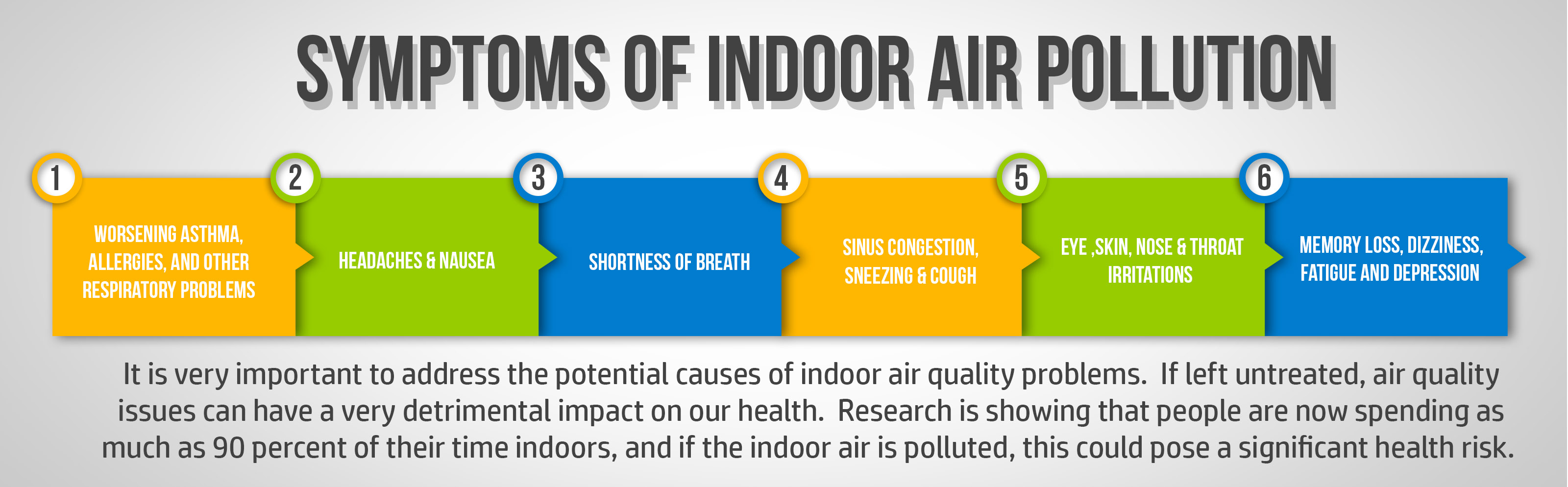
Depending on the type of pollution, the short-term effects are generally allergy-like symptoms: irritation of the eyes and nose, sore throat and headaches. Dizziness and fatigue are fairly common as well. At least the treatment of these short term symptoms is quick and easy: just leave the room and symptoms usually vanish in the next couple of hours. Some people are completely unaffected and symptom-free on the short run.
However, after long periods of exposure to indoor air pollution, other health effects might develop. These are more serious and treatment isn’t as quick and easy as in the short term. Respiratory diseases, heart problems and cancer could show up after years of exposure, so it’s important to improve the air quality of your home even if no symptoms are present at the moment.
We can be absolutely sure that indoor air quality is more important than we first think and neglecting this aspect of your home can carry a health risk, but there is no universal understanding of how long the exposure period and how high the concentration have to be to produce the said effects. People also react very differently to the same particle.

Room for improvement
Facing different health risks every day is normal. Some risks are unavoidable if we want to keep living life on the current standard. Some risks can be avoided with simple decisions about our lifestyle, usually. The good news is: indoor air pollution is a health risk we can all avoid. We can do something to stop it and prevent it from lurking its way back to our home.
So, what are your options? First things first, you can always let a bit of fresh air in. And that’s probably the easiest and quickest fix there is. In addition to ventilation, if you keep your floors and furniture clean, control humidity and make your house a non-smoking area, you’ve already avoided a great deal of pollution. You can always test for radon and stop using scented candles and cleaning products to improve the air quality a bit more. But you can only improve what you can measure properly…
Why is tracking carbon dioxide concentration at home useful? Because it’s a common contaminant and at high levels it can cause headache, dizziness and problems concentrating. It can even affect sleep quality.
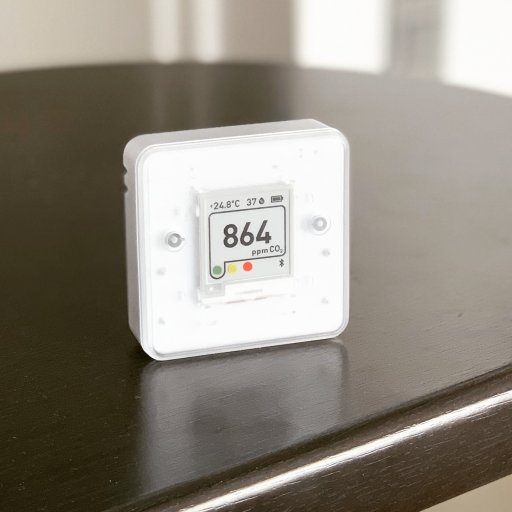
In our personal experience, a device like aranet4, a CO2 monitor is a game changer. This device measures air quality and uses colored lights to show the result- green light means everything’s alright, and a red sign lights up if the concentration of these particles are too high. We noticed the symptoms of too much CO2 when the red light was on and after a few minutes of ventilation we got back to our normal state.
Love is in the air…
Because we love smart solutions. Like smart buildings. Our prediction is that we don’t have to buy multiple devices to measure each and every aspect on its own as smart homes will be able to take care all of these. They’ll measure CO2 levels, allergens and other nanoparticles, constantly monitoring our air and when the air quality drops, either send us a text telling us if we need to ventilate a bit, or open the smart windows and do the work itself. The pollution situation has to change and we view smart buildings as the most practical and elegant solution. And we all need some fresh air when it comes to our workplaces, schools and other public buildings.
Technology, demographic and climate change all have a strong effect on this day and age. The demand to live a comfortable life and accompanying social changes led to technological inventions. Sensor-based networks are used to improve living conditions in smart buildings. Living in one of these means we have to spend less time with chores and insignificant tasks, and more time on what really matters.
“Originally, the idea of the smart home served primarily the efficient use of energy and the optimization of ventilation technology connected with new ways of constructing buildings (low-energy and passive houses, respectively). Today the term ‘smart home’ is also linked to the networking of home automation systems, home appliances and entertainment electronics. Living in a smart home often makes significant demands on the occupants who are required to drastically change some of their living habits.” – As we can read in a study about smart homes and their role in air quality control.

The great indoors
When it comes to indoor air pollution, the typical reaction is: oh, come on now, how bad can it be? Now you have your answer. In developing countries, where people heat and cook with fumes evaporating straight into their rooms, this is a serious threat and kills millions every year. In western countries, the health risks are more subtle, but they are there and avoiding these doesn’t take that much.
Finding devices to measure parameters and keeping an eye on those at work and at home is sure to help a lot. And living in smart homes could eliminate this problem for good. Until then, add ventilating every day into your daily routine for a better life.