5 Ways Digital Health Can Help Athletes Break Records
By winning his 7th Super Bowl on February 7th, 2021, Tom Brady made it to the American football history pantheon for winning the most rings, […]

10 min |
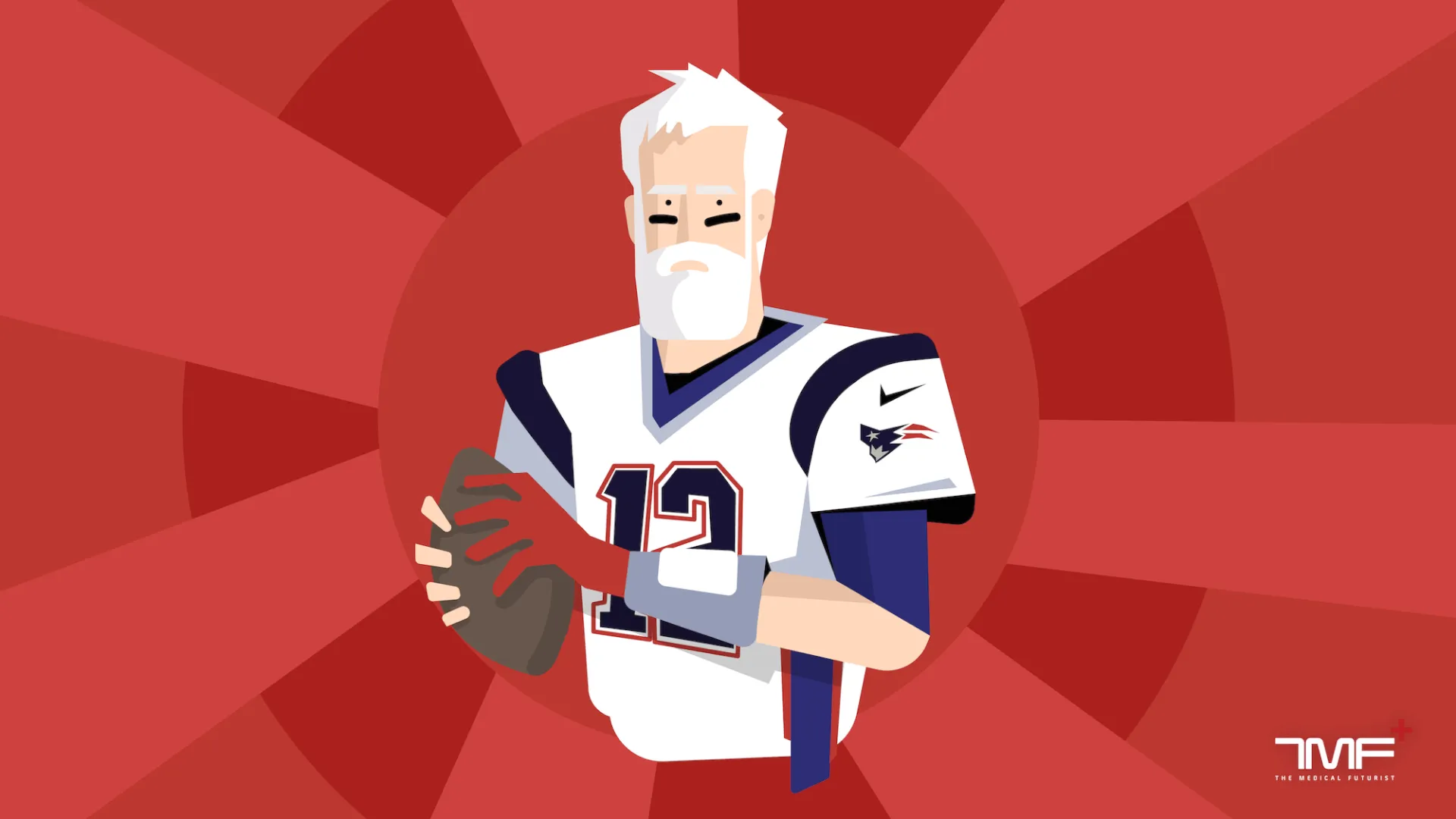
By winning his 7th Super Bowl on February 7th, 2021, Tom Brady made it to the American football history pantheon for winning the most rings, and also for making the most Super Bowl appearances (10). But at 43, he also broke the record for being the oldest quarterback to lead his team to win a Super Bowl. Skipping fruits and infrared rays-emitting pyjamas aside, Brady must be doing something right to maintain such longevity to his athletic, record-breaking performance.
Brady has credited this to the “TB12 Method”, a strict health and wellness regimen he co-created with his longtime trainer Alex Guerrero. His diet involves no white sugar, no caffeine and other restrictions that involve determination to execute. He follows a strict daily routine schedule, as well as a rigorous one for sleep. Of course, he has the capital to do it all with a personal chef looking after his nutrition, a trainer for his fitness routine and $200 to spare on high-tech pyjamas.
However, many aspects of Tom Brady’s routine can be supplemented with digital health tools. These can in turn help other athletes improve their performance to potentially break records themselves. That’s because to really boost one’s performance, a fitness and diet routine tailored to individual athletes has to be optimised. And with the advent of digital health technologies, this is now possible. In this article, we will explore 5 areas where digital health can come in handy for athletes.
1. Health and performance tracking
Tom Brady described his trainer, Alex Guerrero, as his “body engineer.” Guerrero reportedly micromanages the quarterback’s schedule months and even years in advance. While not everyone can employ Guerrero as their trainer, digital health devices can help you engineer your own body. By tracking your fitness and health metrics, these devices offer personalised insights that can allow you to fine-tune your routines to the best of your abilities.
There is literally a health tracker that can measure your performance from head to toe. Smartwatches like the Withings ScanWatch or TicWatch monitor your heart rate, calorie burnt, pace and more. The Polar H10 chest strap provides accurate and detailed cardiovascular monitoring. Its data helps you better analyse your workout more than what your Fitbit is already allowing you to. Its 4-minute Orthostatic Test further allows you to visualise how your body responds to training based on personalised results. Subsequently, your trainer or yourself can fine-tune workout routines based on how much you can exert your abilities.
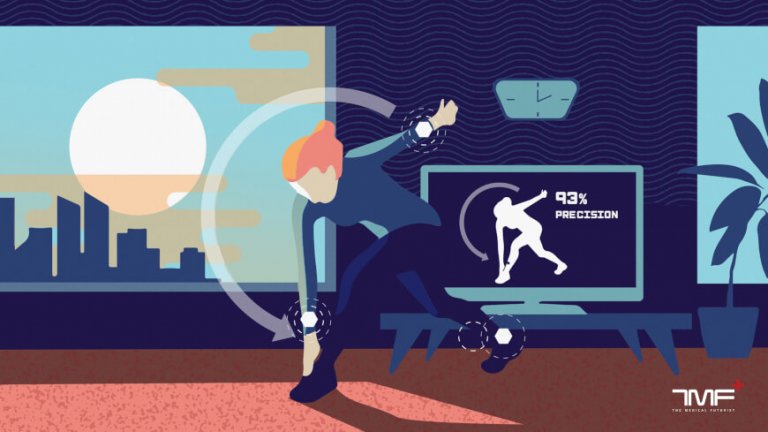
Osman Hassan Ahmed, a physiotherapist to the Football Association in the UK, told The Medical Futurist that in the future, sportswear will be able to show the clinician standing at a playfield’s sidelines vital physiological data in real-time. That will enable them to gain an accurate picture of the individuals’ status; and combining this with GPS data may also help to make decisions as to when to substitute the player in a match or to remove them from the field of play when training, he added.
Already we have smart clothes like HexoSkin that give a glimpse of what Ahmed is envisioning. Designed as a tank top with inter-woven sensors, it continuously monitors the wearer’s cardiac and pulmonary activities, as well as number of steps taken, pace, and intensity level in real-time.
2. Tailored nutrition with nutrigenomics
Proper nutrition for athletes is as important as their workout, and Tom Brady would agree. As mentioned, he even has a personal chef to make sure that he follows his strict diet. On top of avoiding alcohol and caffeine, he doesn’t eat too late. This ensures that his food is well digested well before bed time. “The last thing I eat at night is dinner—and if I ever eat dessert, I try to do it after lunch, so the excess sugar won’t keep me up at night,” Brady said in his book.
CBS Sports’ reporter even tried the quarterback’s diet for a week, calling it an “absurd diet” and that he got really gassy during the process. The thing is, Brady’s diet works for him and might not do the trick for someone else. To find a nutrition plan that is tailored to a specific individual, the emerging field of nutrigenomics can help. This hybrid field combines genetics and nutrition science. The idea is that since our genetic makeup varies from individual to individual, it inadvertently affects how we react to food we consume.
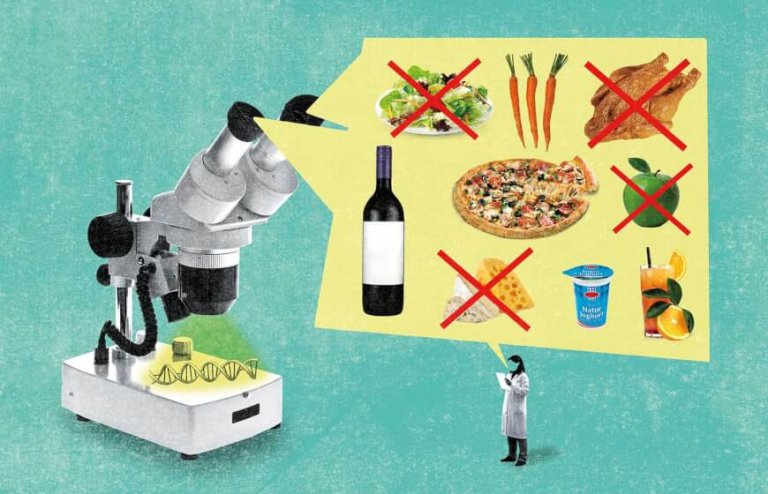
Start-ups like Gini, Nutrino and DNAfit offer services that help give a better idea of what we should eat. After a genetic analysis, they layout a personalised diet and even workout plans to maintain a healthy lifestyle. Others like Atlas Biomed, GUTXY or Thryve offer direct-to-consumer kits that analyse one’s microbiome. Based on individual results, they also offer personalised diet plans.
Alternatively, you could also use a device like the Lumen to guide you. It functions as a breathalyser that determines whether you are burning mostly carbohydrates or fats. Subsequently, it helps you achieve a balance to enhance your workout with personalized meal plans.
3. Restorative (and regenerative?) sleep
In his 2017 book, Tom Brady writes that he aims for nine hours of sleep every day. He takes his sleeping routine so seriously that he uses a layer of memory foam on his mattress and sets the thermostat between 15-18°C. However, while the amount of sleep varies between 7-9 hours for adults, the right time to wake up varies even more significantly. Based on your own sleep cycle, waking up feeling refreshed rather than groggy can be mere minutes apart. That sweet spot is not at the same time every morning.
To determine the optimal time for you to wake up, a smart sleep alarm will make that decision for you as it tracks your sleep pattern throughout the night. Great apps to start with sleep tracking and waking up pumped up are Sleep as Android for Android users and Sleep Cycle for iOS users.
While sleeping, Brady also wears “bioceramic recovery pyjamas” that he developed in partnership with Under Armour. These PJs use far infrared rays to restore muscles faster, claims the TB12Sports website that sells the sleepwear. While studies showed that far infrared rays help relieve chronic pain and promote muscle repair, we still need more research about it. That’s because the majority of data comes from rat studies and very little from human studies.
“I don’t think that it’s a proven technology, which is why it’s not FDA-approved,” Jocelyn Cheng, an assistant professor of neurology at NYU Langone Medical Center, told ESPN. “It’s possible theoretically, but the exposure and the optimal duration for there to be any benefit is not clear.”
If you’re looking for a scientifically-backed device that can help in pain control and help you get better sleep, you could consider the NeoRhythm neurostimulation headband; although the experience is rather subjective.
4. Preventive genomics
At 43, the record-breaking quarterback is more prone to muscle tears if he exerts himself too much. That’s why, as part of his workout schedule, he uses less weights and focuses on exercises that use his own body weight. But is there a way to tell how you could adjust your workouts to prevent injury? The answer lies in so-called preventive genomics and is what genetics company Athletigen offers to athletes.
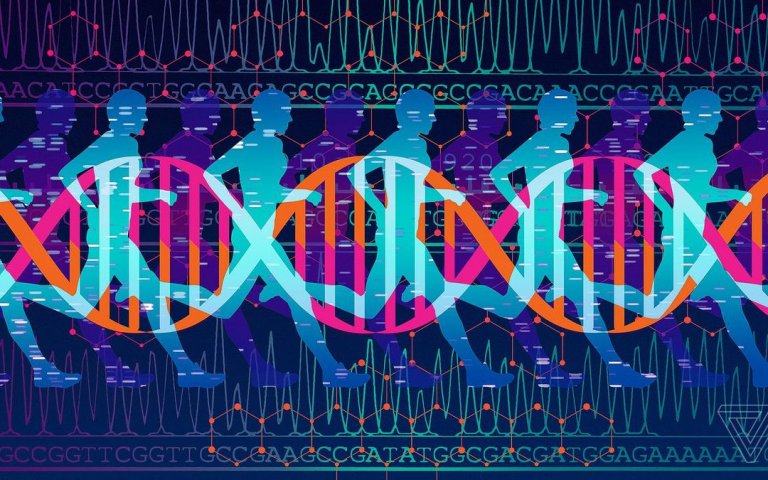
By analysing clients’ DNA, the company provides personalised insights from a heightened risk of injury to nutritional demands. The Athletic Report covers aspects such as muscular fitness, recovery and sleep. The Nutrition Report is similar to a nutrigenomics analysis. It gives insights for over 40 nutrients and details how your genetic composition influences your response to your diet. Their service is also compatible with DNA tests from other companies like 23andMe and AncestryDNA.
5. Mental and emotional health
Brady’s trainer says that the athlete strives to become “emotionally stable and spiritually nourished.” And for that, the quarterback practices transcendental meditation. There is no shortage of digital health tools to help you get into meditation. Recently, we tested 3 smart headbands – the Muse S, NeoRhythm and BrainLink Pro – and shared our findings. You don’t need to invest in a pricey device to start meditating with free apps like Smiling Mind. COVID-19 had its psychological toll on society as a whole and we could all employ such methods for our mental and emotional well-being.
Still on the topic of mental health, Tom Brady uses the BrainHQ app to exercise his brain with at least two dozen brain games daily. BrainHQ was in fact designed for those with neurological conditions in mind, such as those with cognitive damage or memory loss. However, the athlete uses it to sharpen his reactions. “Tom explained it like this,” said Henry Mahncke, CEO of the app’s creators, Posit Science. “When he gets the [ball], he remembers the play, then he has to scan the field, locate the receivers, figure out which ones are on their routes and which are open, and make the pass. All in about three seconds.”
If you want to heighten your focus and improve your reaction time, you could follow Brady and try BrainHQ. But there are other apps that you can use to train your brain. There’s the Peak app, whose Decoder component showed improved concentration among its users. Then there’s Lumosity, an app designed by neuroscientists that uses principles of neuroplasticity to improve brain function.
This concludes our list of areas where digital health can help enhance athletes’ performance. If you are an athlete yourself and use similar tools to improve your performance, do share them with us!
|
At The Medical Futurist, we are building a community for making a bold vision about the future of healthcare reality today. Dr. Bertalan Mesko, PhD, the Director of The Medical Futurist Institute, launched The Medical Futurist to help individuals, companies, and governments understand how digital health technologies bring healthcare into the 21st century. “Digital health technologies empower patients to become proactive in their life; empower medical professionals to do their job being supported by advanced technologies, and companies and policymakers to make better decisions about their future.” – Dr. Bertalan Meskó To support this transformation, Dr. Meskó and The Medical Futurist team is working relentlessly analyzing the latest trends in digital health and bringing insights to the 800,000+ readers and followers of our publications, along these principles:
For 2021, we commit to another year of high-impact reporting that helps people navigate the jungle of digital health and to see where it is heading. With no shareholders or billionaire owners, we set our own agenda and provide unbiased insights that are free from commercial and political influence. If you’d like to support this mission, we invite you to join The Medical Futurist Patreon Community. A community of empowered patients, future-oriented healthcare professionals, concerned health policymakers, sensible health tech developers, and enthusiastic medical students. If there were ever a time to join us, it is now. Every contribution, however big or small, powers our research and sustains our future. Click here to support The Medical Futurist from as little as $3 – it only takes a minute. Thank you. |