How Could Digital Health Fight Against The Climate Catastrophe?
Climate change is the greatest health challenge of the 21st century, and threatens all aspects of society, says the WHO in its COP24 Special Report. What could digital health technologies do to support the fight against the climate crisis? How could healthcare processes, facilities, medical devices become more sustainable? As it is humanity’s priority to mitigate the worsening as well as the impact of rising temperatures and extreme weather events, we tried to figure out what role digital health could assume here. We found many options – and even more possibilities for future development.

13 min | · Updated

|
THIS ARTICLE HAS NOT BEEN UPDATED SINCE 2019. THE INFORMATION SHARED IN THE ARTICLE WAS ACCURATE AT THE TIME OF ITS PUBLICATION, BUT IT MAY BE OUT OF DATE NOW. BROWSE OUR LATEST ARTICLES HERE |
Climate change is the greatest health challenge of the 21st century, and threatens all aspects of society, says the WHO in its COP24 Special Report. What could digital health technologies do to support the fight against the climate crisis? How could healthcare processes, facilities, medical devices become more sustainable? As it is humanity’s priority to mitigate the worsening as well as the impact of rising temperatures and extreme weather events, we tried to figure out what role digital health could assume here. We found many options – and even more possibilities for future development.
The climate crisis is our third world war
That’s the main argument of Joseph Stiglitz, recipient of the Nobel Memorial Prize in Economic Sciences and former chief economist of the World Bank on why opponents of green policies, such as the Green New Deal in the US, should not be asking whether we can afford it – as no one asked that during the Second World War, but did what they thought was necessary to do. The problem with the climate catastrophe is that many people don’t feel it immediately on their own skin – but by the time it becomes painfully palpable for millions, we have already lost the battle.
It’s similar to the tale when two frogs jumped into a cooking pot full of cold water. The first one screamed that they were going to die and jumped out, while the second was completely relaxed thinking they found a nice pond to spend the time in. As the temperature of the water was raised gradually, the frog got accustomed to the change and didn’t realize that he’s being cooked. That’s what happens to humanity – if we don’t take action.
Death Valley cooler than Southern France
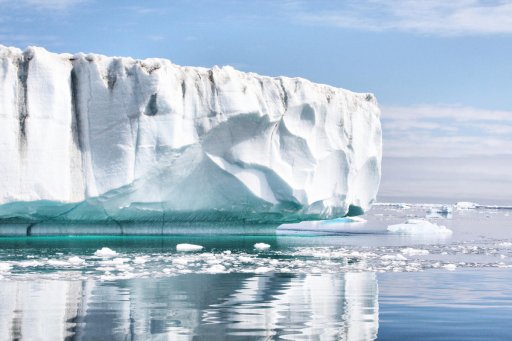
So far, we are a bunch of second frogs not noticing – although the signs are everywhere. In May, extremely hot air masses reached the Russian town of Koynas, near the Arctic circle, and the temperature reached 31.2 degrees (88.2 degrees Fahrenheit). That’s “just” 25-30 degrees above the usual. The photo about huskies galloping in melted ice on Greenland went viral in June, while a heatwave hit Europe at that time – resulting in Death Valley being cooler than southern France. Temperatures reached a record-breaking 45.8 degrees (114.6 degrees Fahrenheit). To make the scary extent of global warming more palpable, The New York Times together with the Climate Impact Lab, a group of climate scientists, economists and data analysts from the Rhodium Group, the University of Chicago, Rutgers University and the University of California, Berkeley, created an interactive map where anyone can see how hotter their hometown has become over the years and what are the predictions for the future.
Those are just a couple of recent examples, but the climate crisis has extremely serious health consequences for entire communities, too. In its COP24 Special Report, the WHO outlines that the direct health impacts include physiological effects of exposure to higher temperatures, increasing incidences of respiratory and cardiovascular disease and injuries and death due to extreme weather events such as droughts, floods, heatwaves, storms, and wildfires. In addition, the changing climate conditions also have indirect effects on health due to ecological changes, such as food and water insecurity, the spread of climate-sensitive infectious diseases, and also to societal responses to climate change, such as population displacement and reduced access to health services. The US Global Change Research Program’s Climate and Health Assessment projects that climate change will cause thousands or tens of thousands of premature deaths a year by the end of this century.

Climate catastrophe strains health systems already on the edge
Healthcare systems around the world already struggle with unsustainability and the climate catastrophe will likely to become a further burden on their resources. According to OECD projections, in Europe, public expenditure on health and long-term care in OECD countries is set to increase from around 6% of GDP today to almost 9% of GDP in 2030 and as much as 14% by 2060. The international organization also found that the causes for the rising public costs stem from the growing needs of aging populations, the increasing share of chronic illnesses in societies, the rising incomes driving higher expectations – and the introduction of new technologies.
In addition, the needs-based shortage of healthcare workers globally is about 17.4 million, says The Medical Futurist Institute in its latest paper. That’s almost the entire population of Chile and twice as many as living in Austria or Israel. Moreover, the WHO’s Global Strategy on Human Resources for Health: Workforce 2030 reports that shortages can mount up to 9.9 million physicians, nurses and midwives globally by 2030. What if we add a significant number of extreme weather events and catastrophes to this picture? How far could we strain healthcare systems?
In order for public health systems to be able to better prepare for the consequences of the climate catastrophe, they must be able to increase the quality, range and population coverage of their services and ensure that they are resilient to changing climate conditions, such as extreme weather events. While digital health technologies might not be able to take up arms against climate change per se, they can offer a lot of help when it comes to arming public and private health systems for dealing with the health consequences of extreme weather events. Let’s see some examples.

Digital health technologies against mosquito-borne diseases
As outlined before, one of the most significant repercussions of the changing weather conditions is the spread of climate-sensitive infectious diseases – alongside the spread of mosquitos. Unfortunately, rising temperatures are in favor of our least beloved animals, the mosquitos and their little friends spreading around lethal illnesses. For example, The Lancet found that due to changing climatic conditions in countries where dengue fever is endemic, the capacity for one of the main mosquitoes (Aedes aegpyti) to transmit dengue fever has increased globally since 1950 by 9.5 percent. In another example, extreme climatic conditions during one month in several parts of South America in 2015 were followed by the spread of the mosquito-borne Zika virus to that location the next month.
Digital tools could help take action against mosquito-borne diseases. Nicely drawn electronic maps indicating different pieces of information could help prevent, closely follow or monitor epidemics and/or the spread of diseases. Technology is not only able to visualize data but it already “reasons out” grey spots – and thus helps predict events. For example, American researchers were using data from NASA satellites (such as the Landsat series) to predict malaria outbreaks by identifying areas where the soil moisture creates prime breeding grounds for malaria-positive mosquitos. That could make the taking of public health measures a lot more efficient. As the saying goes: an ounce of prevention is worth a pound of cure.
Releasing sterile specimen into the wild has proved to be an effective method in decreasing insect populations. Numerous countries experiment with the approach with the help of several technologies. In 2018, Australia’s James Cook University, the Commonwealth Scientific and Industrial Research Organisation, and Alphabet’s Verily life biotech division concluded a similar trial. And how could Google’s parent company be of any help? Experts needed to raise 20 million mosquitos for the project to produce the 3 million male insects required for the sterilization process. Verily’s technology helped them sort out the sexes.
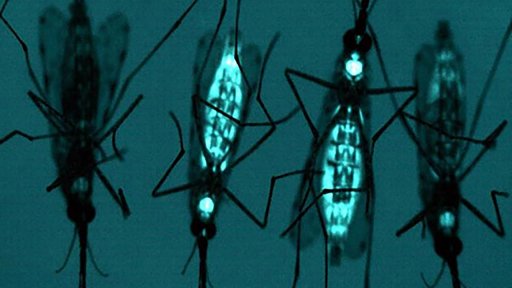
In the future, mosquitos entirely resistant to the parasite that causes malaria could be created with the help of the CRISPR/Cas9 gene-editing method, while some researchers dream about building a cybernetic dragonfly combining “miniaturized navigation, synthetic biology, and neurotechnology” to join the fight against mosquitos – and climate change.
Technologies for predicting heatwaves and information for managing health
Extreme heatwaves could be deadly – and they are not likely to become any more bearable in the future. Quite the contrary. In 2003, a heat wave lasting two weeks killed an estimated 15,000 people in France – and 70,000 throughout Europe. Heat usually strikes the vulnerable: the elderly, infants, people with medical conditions, but deaths also occur among athletes and outdoor workers. That’s why individuals, as well as healthcare systems, should put more emphasis on the prevention and management of heat-related conditions more in the future.
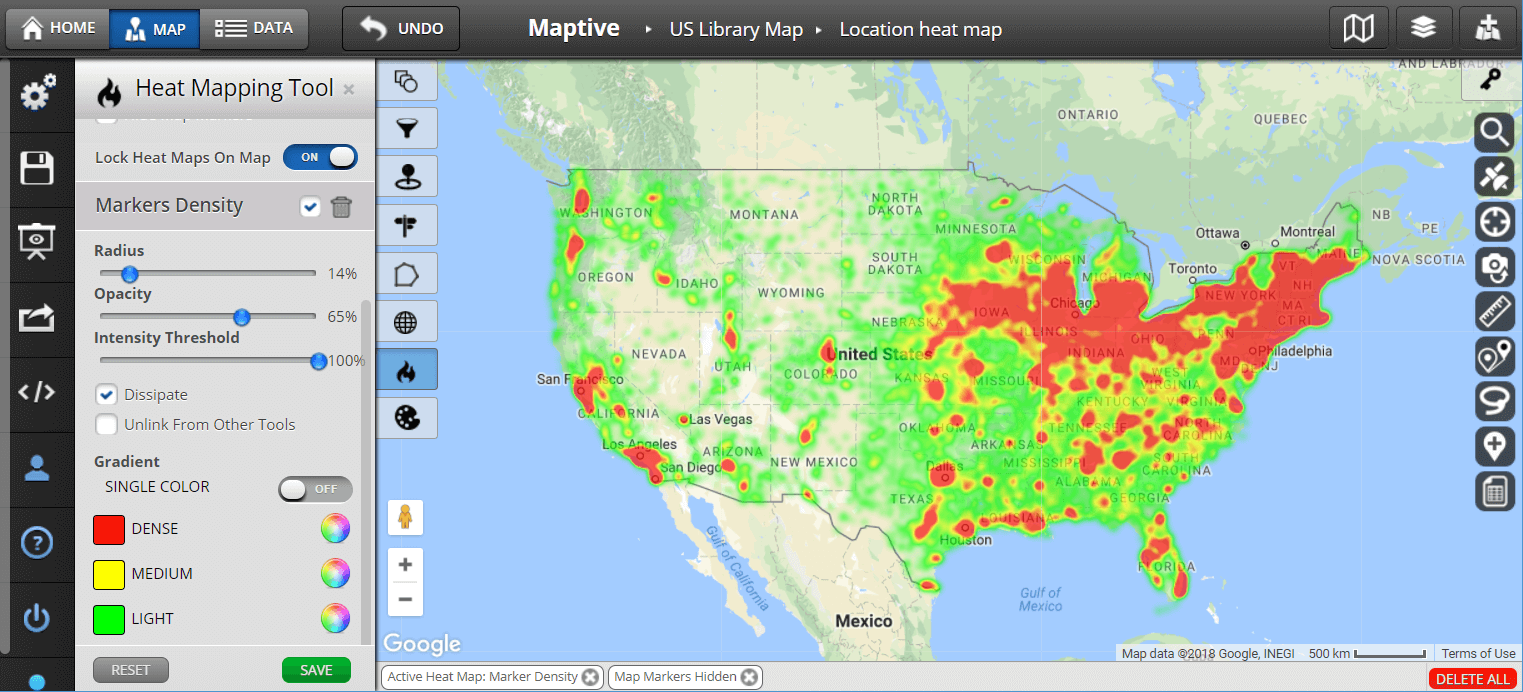
Beyond creating more parks, green roofs, or vertical gardens, which would significantly lower the temperature of the surrounding streets in urban settings, as well as placing mist showers, fountains, and reflective pools around towns, early alerts, advisories, and a variety of emergency measures could also mitigate heat dangers. Such heat health warning systems could include dissemination of information on relevant websites, pamphlets or media campaigns – and in the future, they could involve health apps or alerts sent to smartphones, too. The early warning systems base their data on interactive GIS maps, such as the Extreme Heat Risk Map or the Climate Prediction Center.
Digital health for the management of respiratory diseases – due to air pollution
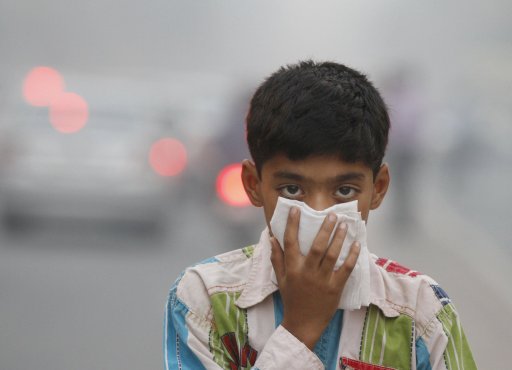
The drivers of climate change – principally fossil fuel combustion – pose a heavy burden of disease, including a major contribution to the 7 million deaths from outdoor and indoor air pollution annually. The air pollutants which are causing ill-health, and the greenhouse gases that are causing climate change, are emitted from many of the same sectors, including energy, housing, transport, and agriculture. While digital health technologies cannot put an end to the emission of harmful materials, the development of health sensors, connected devices, and wearables could help with the diagnostics and management of respiratory diseases.
The development and routine use of smart inhalers that could passively collect data and transmit it to a patient’s GP, or store it in a mobile phone for future use would enable symptoms to be monitored over time. Future inhalers might even alert users to potential environmental triggers. The FDA approved the first smart inhaler, Teva’s ProAir Digihaler, at the beginning of 2019. It has a sensor that tracks when it is used in real-time and syncs this data to a mobile app. The ProAir Digihaler can determine how well the patient uses it, as the sensor measures a breath actuation and sees how well a patient inhales, giving them a rating.
During the management of asthma, the measurement of lung capacity to monitor breathing irregularities through peak flow meters is necessary. Smart Peak Flow offers a small, pocket-sized add-on to every smartphone that allows users to track their peak flow on their phones. The data can be shared with the pulmonologist, thus makes it easier to discuss the management of asthma. We tested it here comparing with another similar device, AioCare. A team of researchers at the University of California experimented with a sticker asthmatics can wear on their skin, which could warn when an attack is looming. When worn on the abdomen, sensors in the sticker measure the strain being put on a user’s rib cage. In the future, a similar patch could connect to the user’s smartphone and urge them to seek help.
Paperless and A.I.-based: beneficial for both the environment and medical personnel
Sustainability in healthcare could mean making the entire system more efficient and thus using resources in better ways. Going digital, cutting back on paper-based practices is in fact not only a blessing to the environment but also patients and healthcare professionals benefit greatly from streamlined digital processes without the meddling of old-school paper. Moreover, in the future, artificial intelligence could help a lot in streamlining administrative practices and managing medical processes. For example, 97% of healthcare invoices in the Netherlands are digital containing data regarding the treatment, the doctor, and the hospital. These invoices could be easily retrieved. A local company, Zorgprisma Publiek, analyzes the invoices and uses IBM Watson in the cloud to mine the data. They can tell if a doctor, clinic or hospital makes mistakes repetitively in treating a certain type of condition in order to help them improve and avoid unnecessary hospitalizations of patients.
Nevertheless, striving for sustainability doesn’t stop at optimizing processes. Medical facilities, doctors, and patients could all make efforts to use sustainable energy sources, as there are already excellent alternatives powered by solar energy. For example, Botswana-based Deaftronics has manufactured the first solar-powered hearing aid unit, Solar Ear – harnessing the energy of the Sun also for tackling the lack of medical specialists in the African country.
Although experiments have produced the introduction of a solar toothbrush without the need to use toothpaste, as well as a solar blood pressure monitor, a truly fascinating, futuristic, and extremely useful innovation in the area was presented by Swiss researchers two years ago. They showed that postage-stamp size panels implanted under the skin could theoretically generate enough electricity to run pacemakers and similar devices that now require bulky batteries. Imagine that in the future, we might be able to wear solar-powered digital tattoos and send tiny nanobots into our bloodstream to collect information and send it to the doctor – all through tiny solar panel technology and other amazing nanotechnological innovations.
Until then, we’ll stay with our pocket-sized wearables and health sensors. And if you are concerned that the digital devices might end up somewhere in a dumpster in Africa as e-waste at the end of their life cycle, you should rather send them to Recycle Health. They established the so-called Tracker Lending Library: they package 25 refurbished Fitbits and send them to doctors’ offices in low-income regions, for physicians to give to interested patients. The overall goal of Recycle Health is truly noble: to help older and lower-income individuals have access to devices – and in the meantime, they are also taking steps to save the planet from another batch of e-waste. We hope that many other initiatives follow this excellent example.
Rising sea levels, melting ice caps, extreme weather events – these all are upon us and if we don’t take action very soon, we might find ourselves needing the giant gill designed by material scientist Jun Kamei. His 3D-printed garment, Amphibio, functions as a gill, allowing the wearer to pull oxygen from an aqueous environment and breathe it. Is he one step ahead of us preparing for the worst to come?
Should we challenge him and try to reverse the detrimental environmental processes one step at a time? The Medical Futurist team believes we should – we should do everything in our power to preserve the planet for future generations as we received it.
|
At The Medical Futurist, we are building a community for making a bold vision about the future of healthcare reality today. If you’d like to support this mission, we invite you to join The Medical Futurist Patreon Community. A community of empowered patients, future-oriented healthcare professionals, concerned health policymakers, sensible health tech developers, and enthusiastic medical students. If there were ever a time to join us, it is now. Every contribution, however big or small, powers our research and sustains our future. Click here to support The Medical Futurist from as little as $3 – it only takes a minute. Thank you. |