Top 6 Crowdsourcing Examples In Digital Health
During your school years, you might have encountered several instances where your teacher laid out a task or asked a question, and asked you and […]

10 min | · Updated
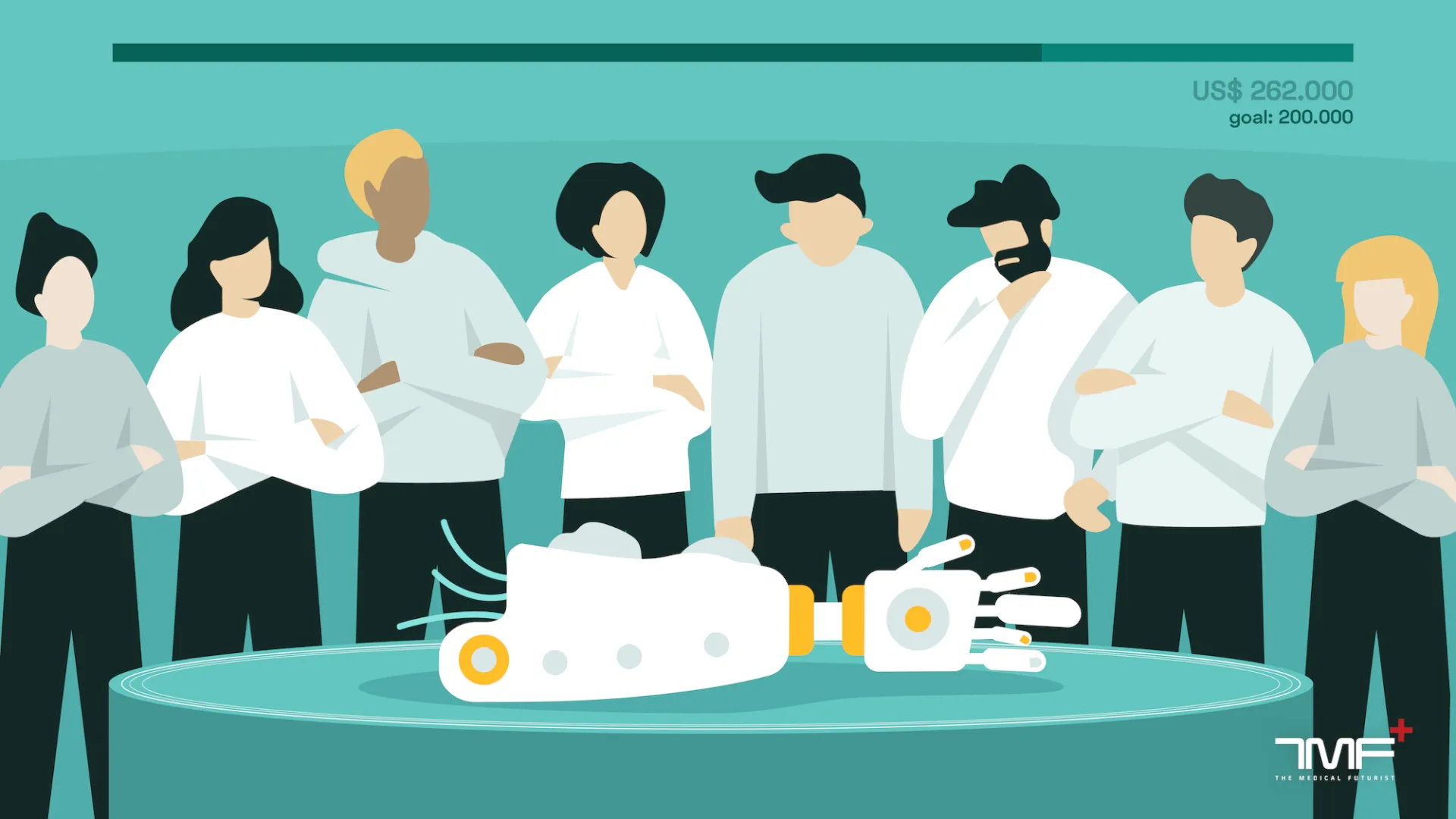
During your school years, you might have encountered several instances where your teacher laid out a task or asked a question, and asked you and your classmates to come up with an answer or solution. This “method” somewhat exemplifies crowdsourcing, albeit in analogue form. In essence, the term refers to the act of gathering information or input into a task from a large group of people; or simply, “outsourcing work to the crowd” as the Wired editors who coined the term in 2005 described it.
However, one must not confuse crowdsourcing with crowdfunding. The latter involves raising relatively small amounts of funds from a large group of individuals to realise a project. It’s the method employed to fund campaigns on Kickstarter and Indiegogo; or GoFundMe, where there’s a worrying trend in the U.S. for people turning to crowdfunding to pay their medical bills.
Getting back to crowdsourcing, while the term is relatively new, the practice has existed for longer. Nowadays, the term is associated with an online component even though it doesn’t necessarily have to involve the internet. Online, crowdsourcing models are commonly associated with services such as Wikipedia, Quora and Reddit. In healthcare, the practice experienced a slower adoption but with the rise of digital health technologies and the advent of the empowered patients, crowdsourcing stories keep sprouting.
These stories portray how patients of the 21st century are taking matters into their own hands to address issues they face on a daily basis. For long, the ivory tower of medicine would not even remotely consider their input. But thanks to online tools and community support, they are proving that that ivory tower model is obsolete.
In this article, we will look at some of the most promising examples of crowdsourcing in healthcare and digital health.
1. DIY artificial pancreas
One of the prime examples of patients barging through the impenetrable ivory tower tightly controlled by the medical and pharma industries is that of diabetes. Diabetics, fed up with lagging regulations that kept medtech companies from introducing an artificial pancreas into the market, took matters into their own hands.
It was Dana Lewis, a diabetes patient, and her husband who initiated the movement. Together, they hacked a homemade ‘artificial pancreas’ to help Dana manage her condition. After seeing it work well, they decided to spread their solution around. But with the obstacles that regulations laid ahead, they established the Open Artificial Pancreas System (OpenAPS) project. This open source community shares the know-how and lends a helping hand to anyone interested in DIY-ing their own ‘artificial pancreas’.

This initiative further led to discussion platforms like DiabetesMine and cloud-based solutions like Tidepool for more accessible and actionable diabetes data. Following patients’ demands, the FDA approved of the first artificial pancreas. But they were late to the party as they did so two years after the open source DIY artificial pancreas had made its debut. By further embracing patients’ input, the FDA created its own patient engagement advisory board.
2. The TikTok pill bottle for patients with Parkinson’s
No, this is not a TikTok-branded medication bottle. Rather, it is one of the latest examples of crowdsourcing ideas with the help of social media. As one of its characteristic symptoms, patients with Parkinson’s exhibit uncontrollable hand tremors; even among those with the Young Onset Parkinson’s disease variant. Those with Parkinson’s experience daily struggles with fine actions others take for granted like buttoning shirts and tying shoelaces. This also includes picking up pills required for treating their condition.
Athlete Jimmy Choi, who suffers from Parkinson’s, shared this struggle on his TikTok page. While browsing his ‘For You’ section on TikTok, a videographer Brian Alldridge saw Choi’s video. Touched by the struggle, he decided to address this issue that millions face worldwide. He designed a 3D-printable pill container with a rotating base to isolate an individual pill. This would direct the latter towards a tube within the container through which the pill can be taken “like a shot glass”. This would eliminate the need to dig into the container, a very challenging action for patients.
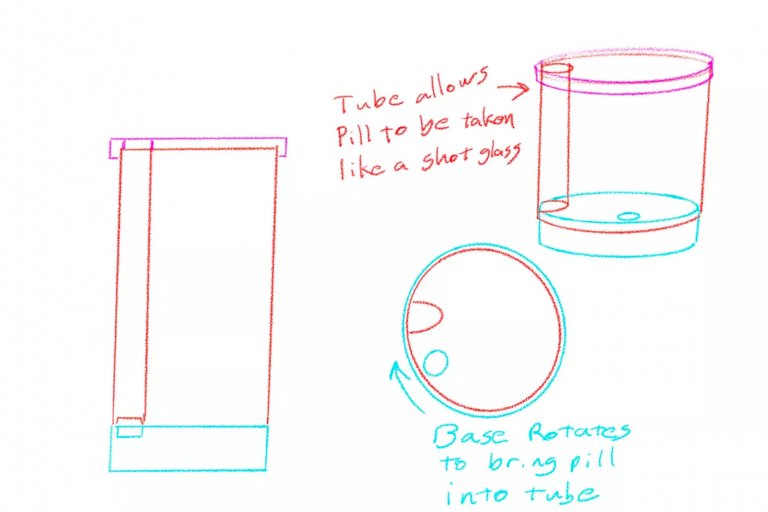
Source: https://www.theverge.com/
Since Alldridge didn’t have a 3D-printer himself to test his design, he shared it on TikTok to seek those who do and could give him some feedback. Overnight, his video received thousands of views and viewers did 3D-print his model. However, the pieces would not fit; nevertheless that did not falter the community to fine tune the design and get it to function. Several TikTok users are printing those functional containers and sending them to people. The 5.0 version of the 3D-printable model is now freely available to anyone to print and use.
3. Tracking COVID-19 vaccine locations
On its website, the CDC writes that “the risk for severe illness with COVID-19 increases with age, with older adults at highest risk.” However, with the ongoing worldwide vaccination efforts to limit those complications, this vulnerable demographic is facing challenges to obtain relevant information such as eligibility and appointment procedures.
After Patrick McKenzie tweeted the idea of the need for a database with up-to-date information about COVID-19 vaccination in California, it picked up steam rapidly among other users. The following morning, they launched the VaccinateCA website. This volunteer-run effort aims to provide Californians with information about vaccine availability and the steps involved for getting one. Every day, some 60 volunteers make calls to about 500 healthcare facilities to find vaccine availability details. They subsequently update the website in real time.
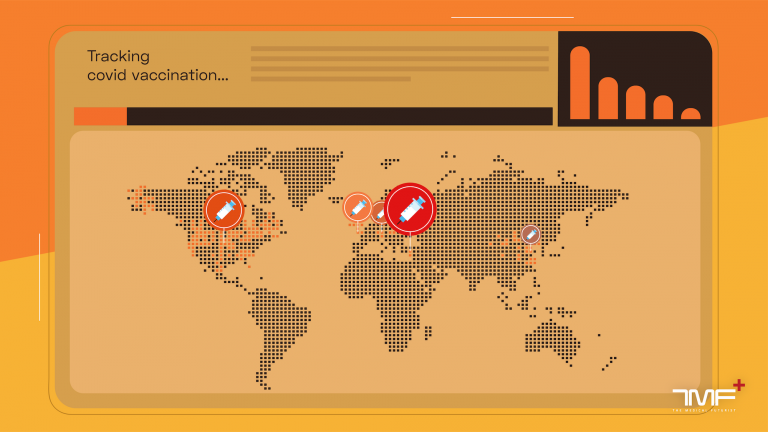
Carri Craver developed a similar crowdsourcing site for the state of Texas after her 69-year old father hadn’t been able to find a vaccine. The website, COVID19vaccineTX.com, allows its users to share information about the availability of appointments and shots near them. The website is then updated with those details.
4. 3D-Printed Medical Equipments
The pandemic laid bare the flawed supply chain of medical equipment. The lack of protective and medical ventilators, coupled with an overwhelming number of cases forced healthcare workers to ration resources. This effectively had them choose between whom to let live or die. This shortage prompted the 3D-printing community to band together and lend a helping hand to crowdsource medical supplies for hospitals.
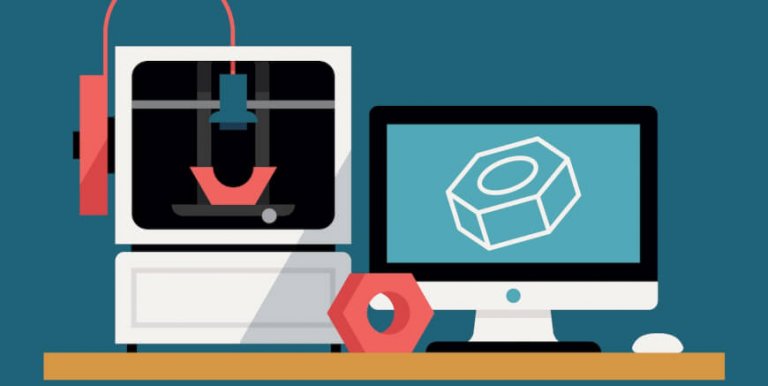
In Spain the Coronavirus Makers group designed open-sourced masks and even mechanical ventilators for milder symptoms, which can be freely 3D-printed. While at the peak of the outbreak in Italy, the maker community created 3D-printable ventilator parts that were in low supply available for free.
5. Gaming for a cause
Gaming and healthcare might not initially seem to have much in common, but upon closer inspection, we can notice the overlaps. From helping to improve patient outcomes to hinting at the future of medical events, there are several instances of merging gaming and healthcare; including crowdsourcing.
Foldit is one such example. This online computer game allows players without any prior biochemistry knowledge to compete and solve puzzles by folding protein structures so that they best fit to a target. The best solutions that players come up with can help better understand diseases like AIDS and find potential therapies. The not-for-profit company also released new puzzles adapted to the coronavirus so that players can find promising antiviral proteins.

PC gamers with beefy gaming specs can also contribute to finding cures with Folding@Home. The latter allows anyone (even non-gamers without a high-end computer) to donate their unused GPU and CPU computing power. The aggregated, crowdsourced computational resources are used to run simulations so as to find potential drug candidates against conditions like cancer, ALS, Parkinson’s and, of course, COVID-19. The organisation is now focusing its efforts on screening for potential drugs against COVID-19.
6. Evaluating risks and benefits of “immunity passports”
Last year, we contemplated the need for so-called immunity passports; and this year, the U.K. is already considering trialing such an option in the form of a smartphone app. In order to assess the risks and benefits of such a passport, U.K.-based Ada Lovelace Institute is crowdsourcing relevant evidence.
The think tank issued an open call to “public health officials, civil society organisations, researchers and interested citizens from across the world” to share evidence about potential risks and benefits of vaccine passports and COVID status apps. That evidence will be reviewed by an independent panel, and the institute will subsequently publish a series of short reports. In April 2020, the British think tank issued a similar report after gathering evidence about contact tracing.

This concludes our list of crowdsourcing examples in digital health. But we will surely come across more and more examples in the near future. If you came across any other promising ones, do share them with us!
|
At The Medical Futurist, we are building a community for making a bold vision about the future of healthcare reality today. Dr. Bertalan Mesko, PhD, the Director of The Medical Futurist Institute, launched The Medical Futurist to help individuals, companies, and governments understand how digital health technologies bring healthcare into the 21st century. “Digital health technologies empower patients to become proactive in their life; empower medical professionals to do their job being supported by advanced technologies, and companies and policymakers to make better decisions about their future.” – Dr. Bertalan Meskó To support this transformation, Dr. Meskó and The Medical Futurist team is working relentlessly analyzing the latest trends in digital health and bringing insights to the 800,000+ readers and followers of our publications, along these principles:
For 2021, we commit to another year of high-impact reporting that helps people navigate the jungle of digital health and to see where it is heading. With no shareholders or billionaire owners, we set our own agenda and provide unbiased insights that are free from commercial and political influence. If you’d like to support this mission, we invite you to join The Medical Futurist Patreon Community. A community of empowered patients, future-oriented healthcare professionals, concerned health policymakers, sensible health tech developers, and enthusiastic medical students. If there were ever a time to join us, it is now. Every contribution, however big or small, powers our research and sustains our future. Click here to support The Medical Futurist from as little as $3 – it only takes a minute. Thank you. |