8 Ways Medical Robots Can Enhance Healthcare
Science fiction movies are filled with depictions of medical robots as integral parts of the healthcare system. From Anakin Skywalker’s surgery by autonomous robots to […]

Dr. Bertalan Mesko, PhD
27 January 2021
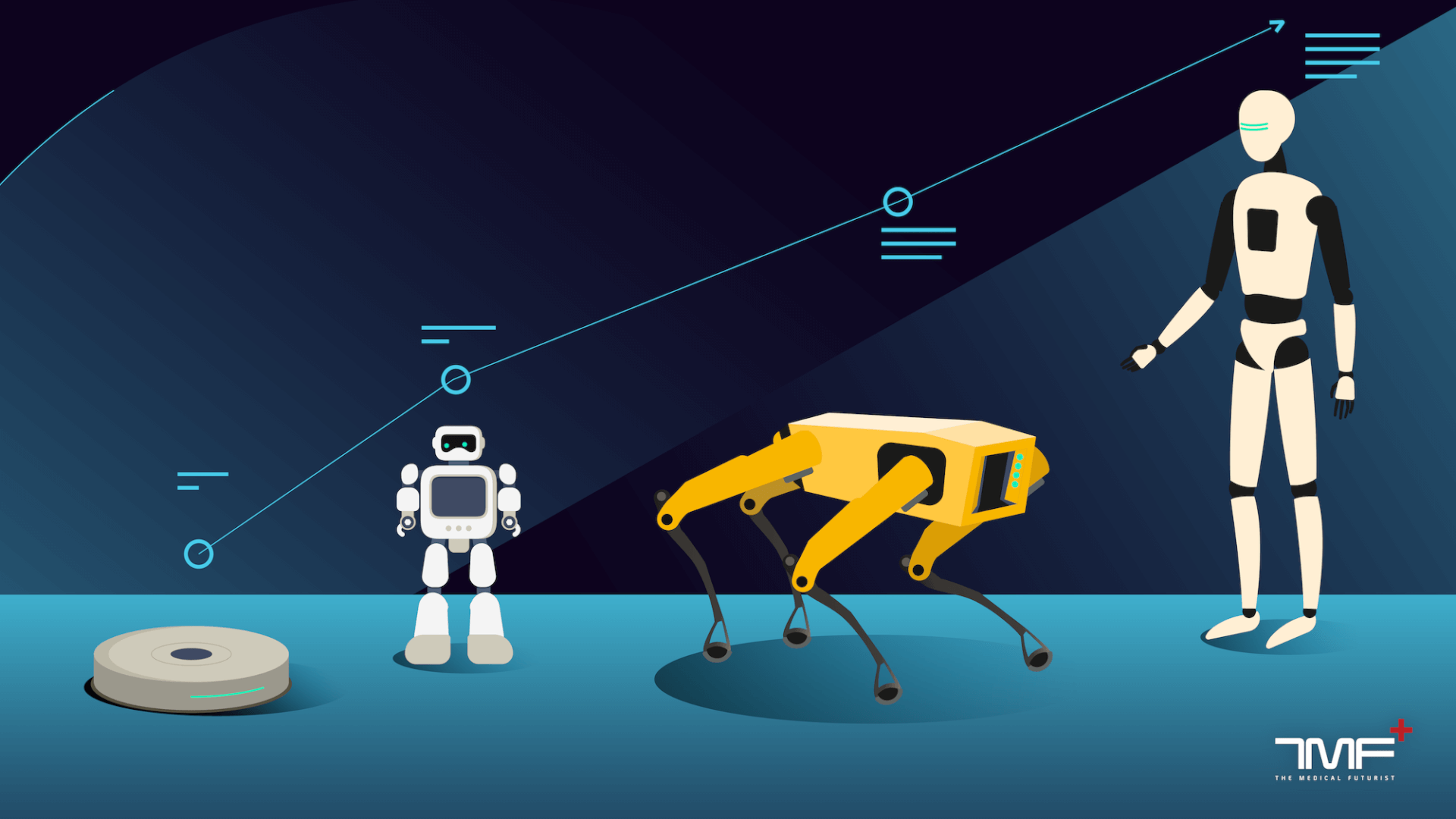
Science fiction movies are filled with depictions of medical robots as integral parts of the healthcare system. From Anakin Skywalker’s surgery by autonomous robots to Big Hero 6’s healthcare robot Baymax, these mechanical staffers stayed only within the realm of sci-fi movies and one’s imagination for a long time; but not for much longer. Indeed, as we exemplify in this article, they are steadily making their way into healthcare institutions. The healthcare industry is betting on those potentials as well, with the global medical robot expenditures expected to rise by about 20% by 2025 to reach $24.6 billion.
However, while there are aspects to medicine that medical robots can’t replace like creative thinking, all stakeholders must prepare for their presence. This is because even if they won’t put medical staff out of their jobs, that personnel who don’t embrace such technologies will be replaced by those who utilise them successfully. Indeed, the COVID-19 highlighted the importance of integrating robots in the medical workforce and they are set to stay.
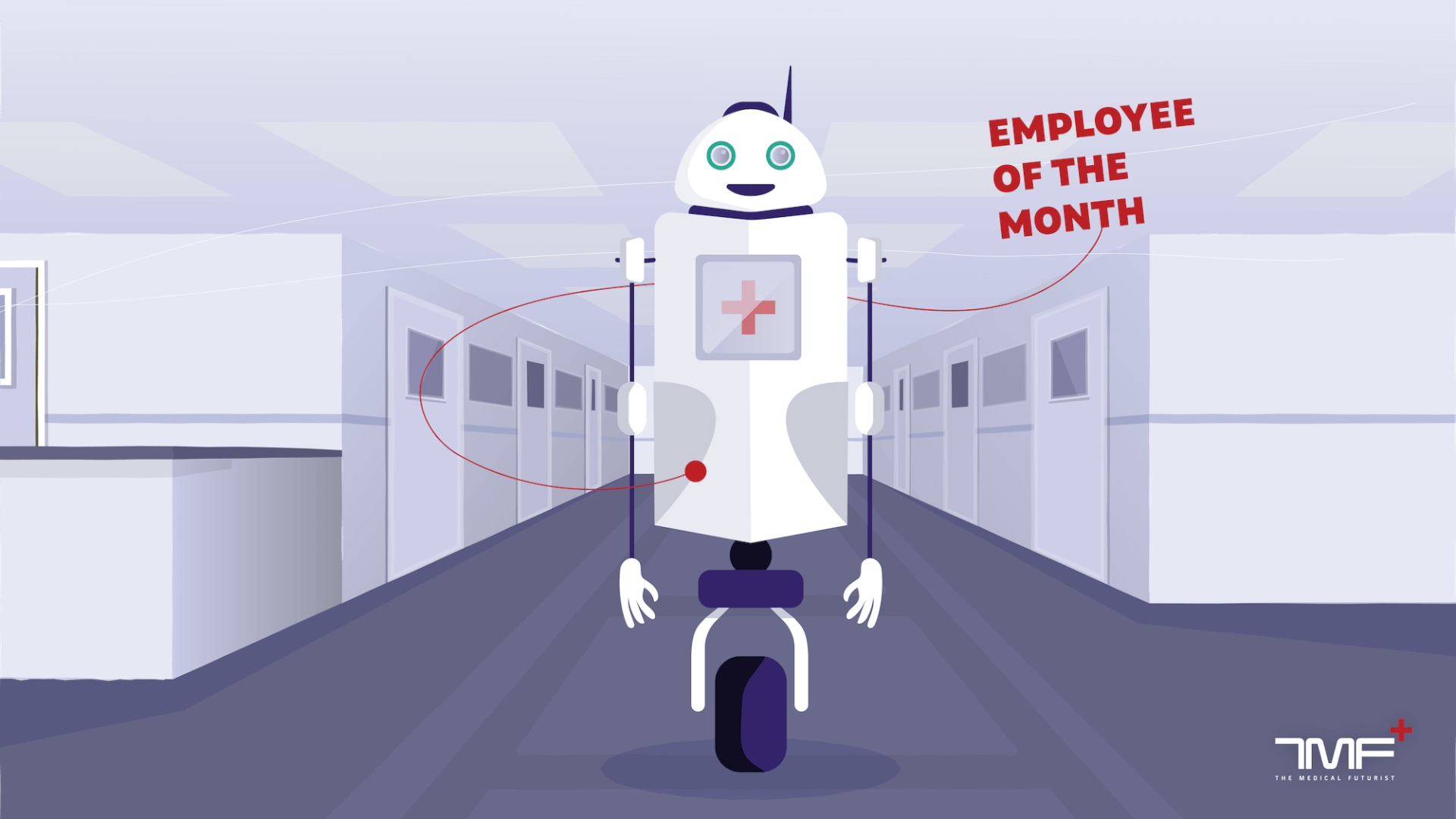
Medical robots can support, assist and extend the service health workers are offering. In jobs with repetitive and monotonous functions, they might even obtain the capacity to completely replace humans.
Thus, medical professionals and caretakers would do well to learn more about medical robots: what they are capable of, how to work with them and in what way they might complement the tasks they perform daily. In this article, we’ll explore 8 ways medical robots can enhance the healthcare landscape with practical examples.
1. Medical robots slashing the rate of hospital-acquired infections
Hospital-acquired infections (HAIs) are an unfortunate consequence that anyone can be exposed to when admitted to or even visiting a hospital. In the U.S., the CDC estimates that 1 in 31 patients has at least one infection associated with their hospital care. The Centre for Evidence-Based Medicine found that 17.6% of COVID-19 infections are likely due to HAIs in England. With the help of UV disinfection robots, we can reduce these numbers significantly.

Studies have shown that UV-C can reduce the amount of live coronavirus on surfaces by 99.7% in 30 seconds and 99.9% of airborne coronaviruses in about 25 minutes. And several companies are coupling UV-C with robots which are themselves impervious to infections. Danish company UVD Robots shipped hundreds of its disinfectant robots around the world during the pandemic.
Another disinfectant robot, Violet, can completely disinfect a CT scanner room in 15 minutes; a procedure that would take a human radiographer up to 60 minutes. Xenex says that its LightStrike UV disinfection robots can disinfect dozens of rooms per day per robot.
2. Hiring robot receptionists
Pepper is a 1.2 meter-tall humanoid “social robot” that has already been “employed” as a receptionist in a Belgian and Czech hospital. It’s a fascinating idea – because let’s be honest: there is not a single person who has not even once been greeted by a grumpy receptionist during a hospital visit and got lost on a hospital floor due to information hastily provided by kind but tired nurses at the end of their shift. But also during the pandemic with overburdened healthcare systems low on staff, the extra help from such a high-tech assistant can prove to be crucial.
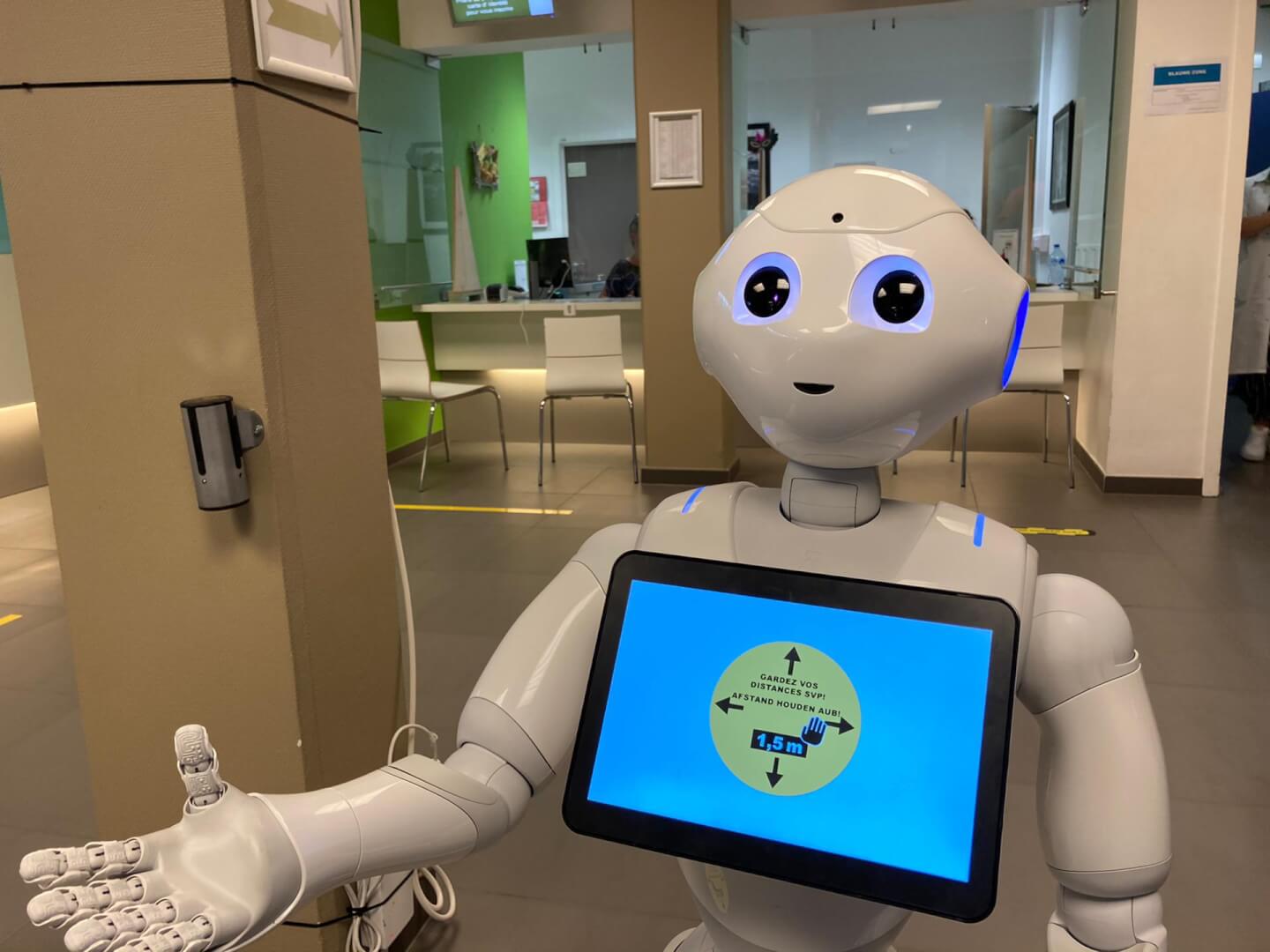
Pepper can recognise the human voice in 20 languages and can detect whether it is talking to a man, woman or child. Its skills enable Pepper to “work” as a receptionist in huge hospitals and to accompany visitors to the correct department so they do not get lost while trying to see their loved ones. “Social robots” such as Pepper might also be used as assistance in exercise sessions and help children overcome their fears of surgery. At UZ Brussel university hospital, Pepper, which was made available for a period of 2 months for testing, not only greeted visitors at the reception but also reminded them to adhere to hygienic measures to limit COVID-19’s spread.
Thus, the monotonous and repetitive job of being a receptionist might be replaced by Pepper whose programmed smile will greet everyone in the same way, while the person behind the reception might receive a more creative task in the future.
3. Airborne medical deliveries
When talking about airborne medical deliveries, you might be thinking about supplies traveling by cargo planes across long distances. Yet, we are talking about remote-controlled, unmanned drone deliveries.
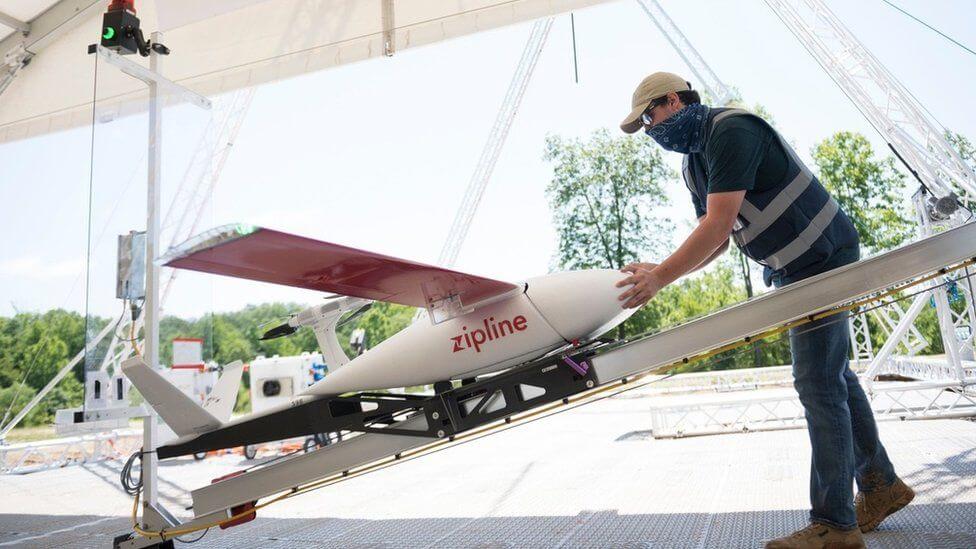
This is already happening on a regular basis in countries like Rwanda and Ghana, where drone firm Zipline delivers medical goods quickly by aerial route. Following COVID-19 needs, Zipline was given the go-ahead to deliver medical supplies and personal protective equipment to hospitals in North Carolina in the U.S.
4. Contactless access to care
The fact that medical robots are impervious to cross-infections does not only make them well-suited to disinfect hospitals but also to assist in monitoring patients. Equipped with a keyboard, screen, camera and medical equipment to measure vital signs, InTouch Vici, a telemedical robot from InTouch Health, allows doctors to communicate remotely with the patient in isolation.
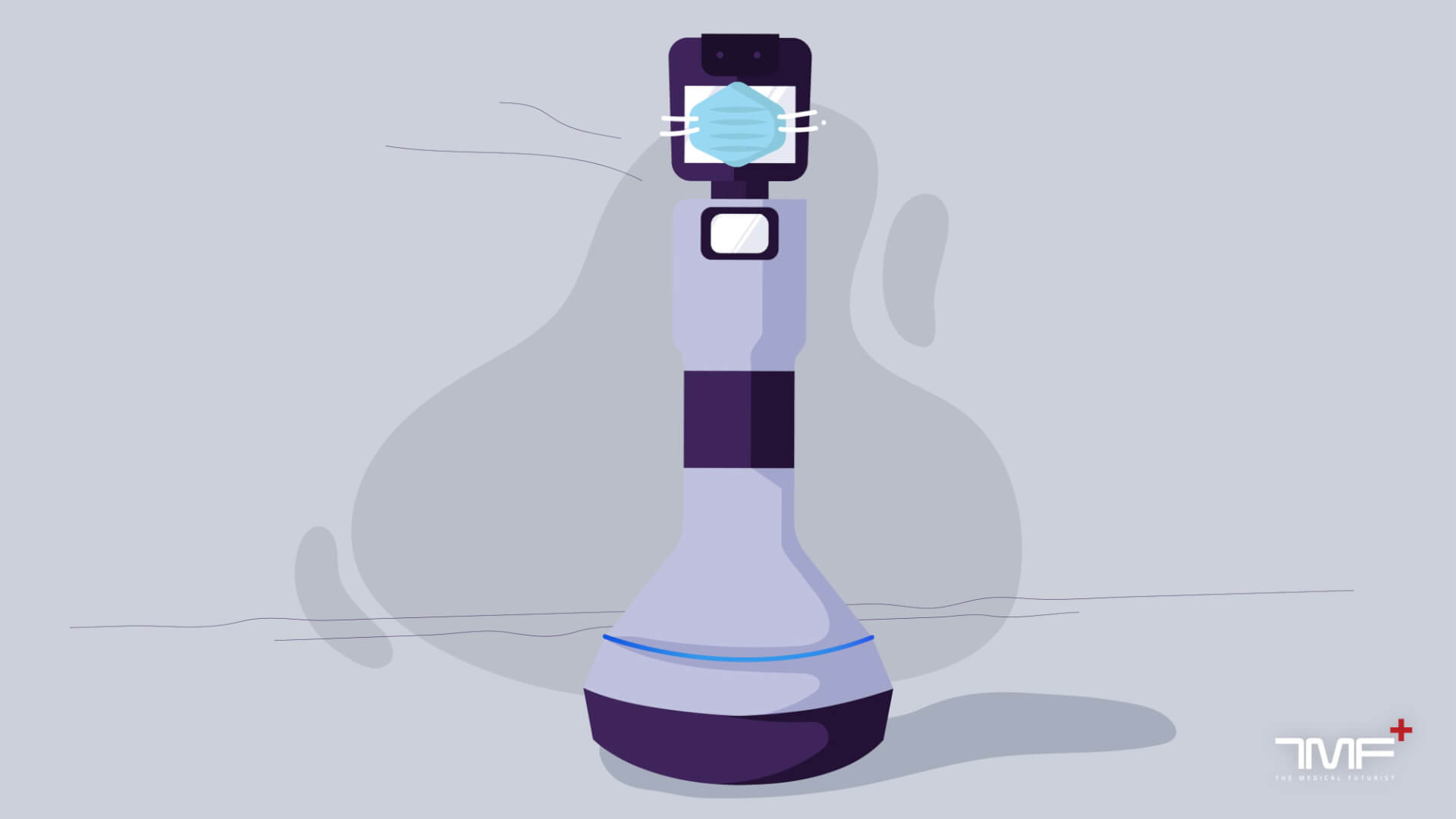
InTouch Vici’s assistance proved crucial during the novel coronavirus outbreak to limit cross-infection between medical staff and patients. The first U.S. COVID-19 case was monitored by Vici. Israel’s Sheba Medical Center also employed Vici to assist medical staff during the pandemic.
Even after the virus subsides, we are likely to see Vici in hospital wards to help limit cross-infections and HAIs.
5. In-house deliveries
Not only are robots used to deliver medical supplies from the air but they are also used to make deliveries within healthcare facilities. And the benefits? These robots work around the clock, so fewer employees are necessary for the burdening night shifts. Staff can spend more time with patients or assist nursing instead of transporting goods through the hospital. Moreover, nurses do not have to carry around heavy loads and can avoid related injuries.
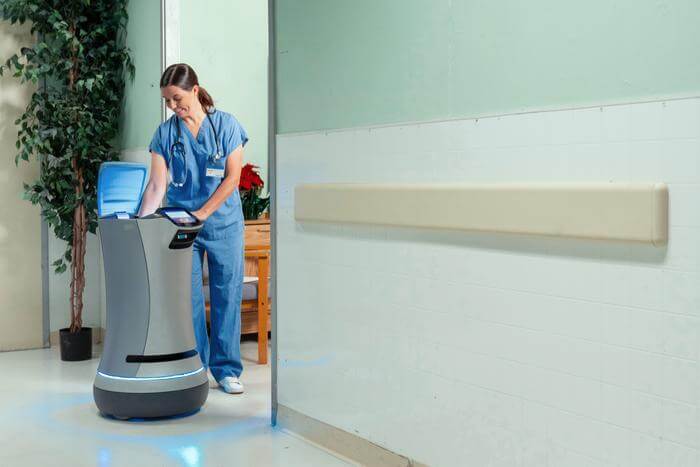
Aethon’s TUG robot is the robust and muscular big brother of Pepper, who is able to carry around a multitude of racks, carts or bins up to 453 kilograms in the form of medications, laboratory specimens or other sensitive materials. The TUG is sent or requested using a touch screen interface and upon completing its “mission”, it returns to the charging dock for a sip of energy while it is loaded for the next job. Six TUG robots are actively delivering linens and medicine across the MedStar Washington Hospital Center in Washington, D.C. The hospital says that in 2019, they traveled 2,974 miles and completed 26,574 stops.
Another delivery robot, the Savioke Relay, delivers blood samples in Hutchinson Health, Minnesota between the main hospital lab and its onsite clinics since 2018.
6. Lift patients safely
On a regular day, nurses may need to lift patients off their bed 40 or more times a day, according to some estimates. However, this heavy physical activity puts themselves and the patients at risk of injury. Robots, not constrained by human anatomy, can lift this strain from nurses.
This was what the Robear was designed for. Developed by the Riken-SRK Collaboration Centre in Japan, this 140kg bear-shaped robot can lift and move patients in and out of bed into a wheelchair, help patients stand, and turn them to prevent bedsores as many times as you want.
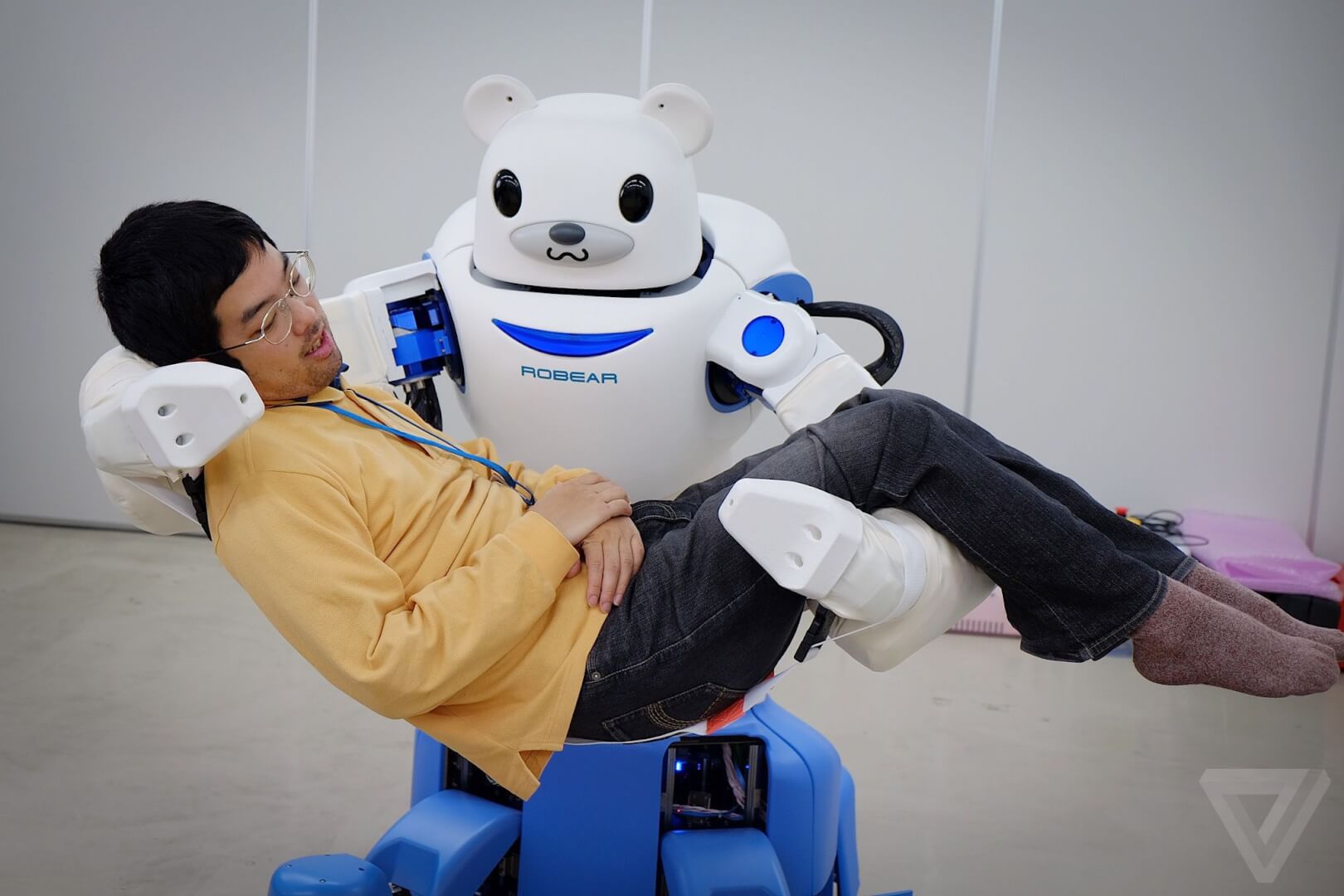
While Robear is still experimental, such robots not only promise to make up for the shortage of carers, but to save human personnel from having to carry out strenuous tasks.
7. Drawing blood accurately
There is hardly any adult in the developed world who has never been the subject of a blood draw. Many have serious fears about it. On the one hand, it might be pretty scary that it is carried out with a needle. On the other hand, sometimes it takes a lot of time and more than one attempt until the nurse or the phlebotomist finds the appropriate vein to carry out the procedure. Robots, with their mechanical precision and absence of a shaking hand, pose as an adequate new solution to draw blood.
Veebot, the “first robot phlebotomist”, uses a combination of infrared light and image analysis to detect a suitable vein, and then applies ultrasound to see if the vessel has sufficient blood flow. It can correctly identify the best vein with an accuracy of about 83%; comparable to that of an experienced technician. This means less room for painful errors and less time spent on the procedure. However, it’s still in development, with little news coming from the company in recent years.
8. Animal-shaped social robots to improve patient experience
It is widely known that pets and cute animals help to ease stress, to divert attention from pain and to reduce the feeling of loneliness. Unfortunately, not every hospital or extended care facility allows animals to live next to patients. Thankfully, animal-shaped, fluffy robots are a viable alternative. A 2019 study showed that such “social robots” foster positive emotions and improve paediatric patient care experience. The researchers designed a robot teddy bear named Huggable, which is operated remotely and can hold a conversation with children to make them feel more at ease.
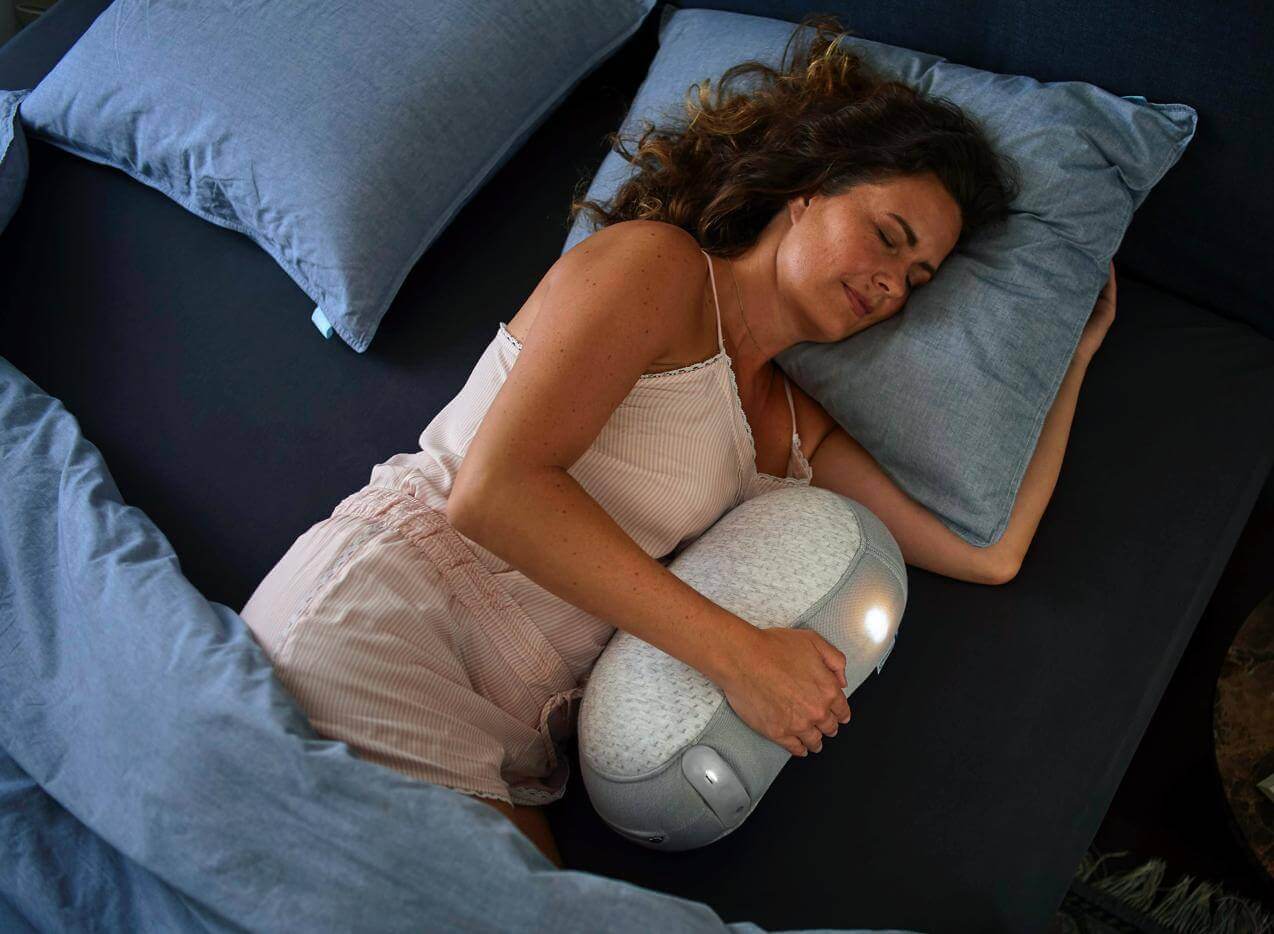
Another use of robots is to help those with sleeping difficulties. Somnox’s kidney-shaped pillow, Sleep Robot, was shown to help 75% of users fall asleep faster and more easily. Its built-in sensors monitor users’ breathing rate to generate a breathing pace to which users synchronise. This helps guide them towards slow deep breathing techniques proven to aid in reducing stress and anxiety.
Another example of such a fluffy companion is PARO. The robotic baby seal packs multiple sensors that respond to stimuli such as touch, light and sound to respond to the user. This allows it to, for example, turn its head towards a voice if a patient is speaking to it. Additionally, it adapts to patients’ behaviour the more they use it. An earlier study with PARO even found out that the robot helped decrease stress and anxiety levels among patients who used it and even led to reduced use of psychoactive medications and pain medications in elderly clients with dementia.
As we come to the end of this article, we hope it helps you get a better insight into what to expect of medical robots in the near future. If you’ve come across any other exciting examples, do share them with us!
|
At The Medical Futurist, we are building a community for making a bold vision about the future of healthcare reality today. If you’d like to support this mission, we invite you to join The Medical Futurist Patreon Community. A community of empowered patients, future-oriented healthcare professionals, concerned health policymakers, sensible health tech developers, and enthusiastic medical students. If there were ever a time to join us, it is now. Every contribution, however big or small, powers our research and sustains our future. Click here to support The Medical Futurist from as little as $3 – it only takes a minute. Thank you. |