5 Things Healthcare Lost In 2021
As 2020 passed, we all thought we’d be better off with 2021, so we were happy to roll the old year off the cliff (or […]

5 min |
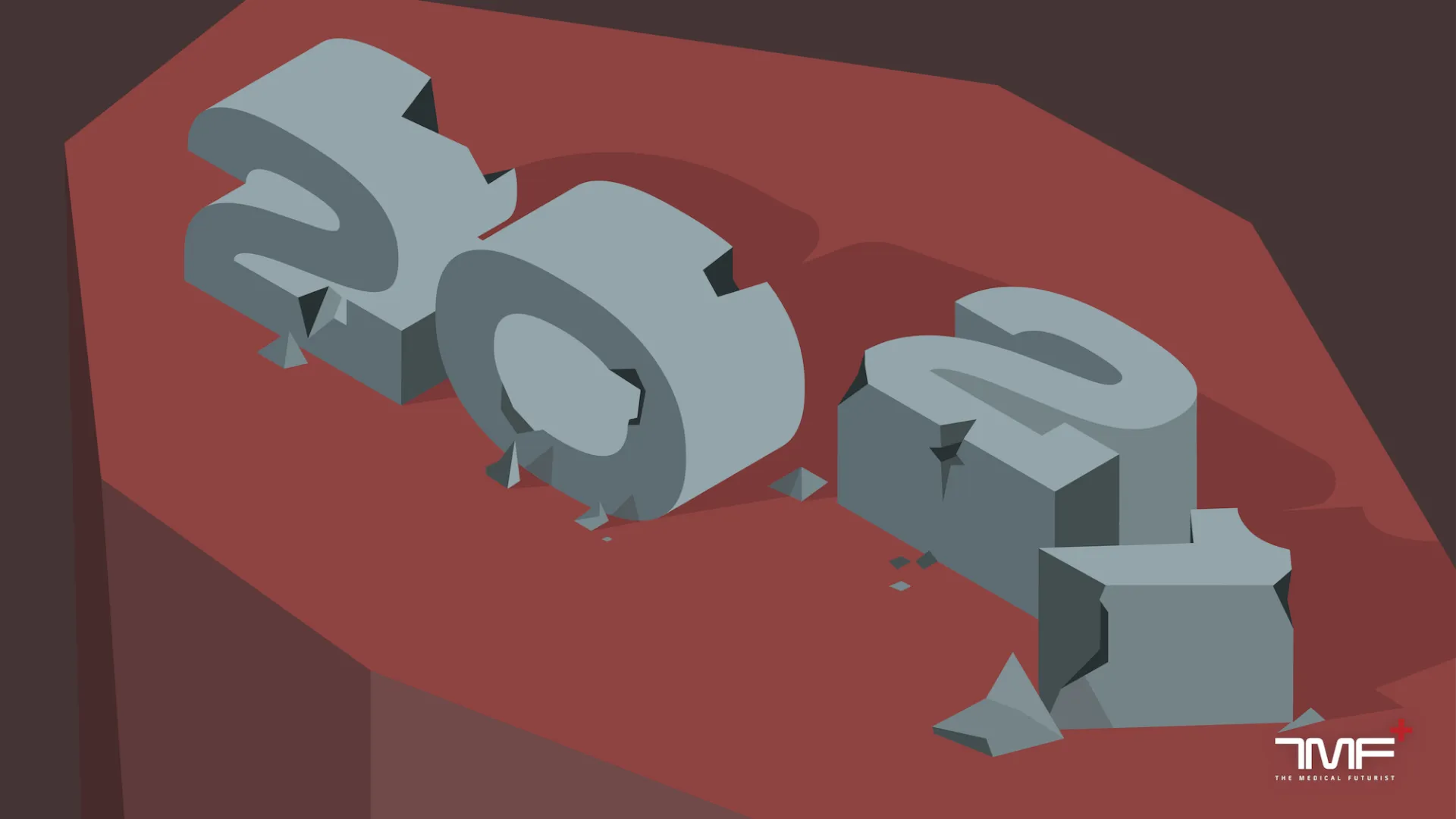
As 2020 passed, we all thought we’d be better off with 2021, so we were happy to roll the old year off the cliff (or blow it off, for that matter). When setting expectations for the new norm, masks, some social distancing and even a subtle range of vaccines lined up were being considered… But not this. Nearing the end of 2021, we think of the end of the pandemic as a white sail gleams in the distance (and just as we publish this article, news arose of yet another virus mutant called omicron).
In 2021, we could’ve gotten over with the pandemic, period. But, (as it was famously said in the movie Charlie Wilson’s War), we messed up the endgame. Healthcare in particular. It is time to investigate what went wrong and if it could be regained.
1) Trust
In terms of trust, healthcare had the most horrific year. Fake news. Anti-vaxxers. Conspiracy theories, misinformation, and more – 2021 was probably the worst year of all to experience these, for there was no greater need to trust science than now. No wonder that our most-watched video on YouTube this year was the one on conspiracy theories – debunked.
Researching the options before medical intervention could be the sign of the informed e-patient – however, the resources people started using in this era of fake (including Facebook or Instagram, unable to cope with the amount of fake on their pages) are often misleading and only add to the confusion. Regaining trust in science will be the No.1. task in 2022 for governments, institutions and medical professionals.
2) Adoption of advanced technology
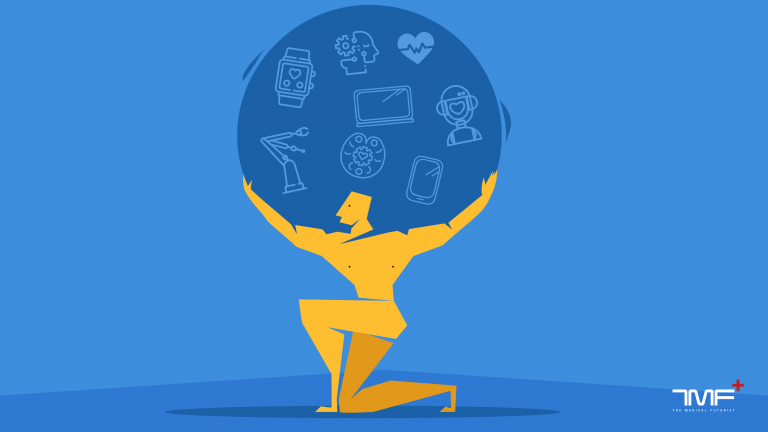
One of the most interesting phenomena in 2020-21 was how fast the digital transformation of healthcare took place. The rapid and much-needed adoption of digital solutions, from telemedicine to at-home lab tests, from disinfecting robots to the use of A.I. in research, overcame the infrastructural or even operational hurdles that stood before these solutions for a long time. However, cultural adoption is still lagging behind. So what would make every doctor use digital health? We listed the steps in this article.
In our pre-COVID-world, it would have taken a lot of time for physicians and patients to accept that they sometimes have to talk on the phone or via zoom and not always in person. In such a world they would have had time to figure out how to build the same or similar relationship they used to have in person. In the post-covid era, they had to accept the technology element in a matter of weeks – and now still nobody knows how to build those relationships through virtual calls. (Read more about An Overnight Change: A Clinician’s First-Hand Experience About Switching to Telemedicine in our Patreon interview!)
3) Burnout
The pandemic’s toll on healthcare workers and the long-term impact on their physical and mental health is already devastating, and we can only guess when it will end. The global shortage of medical professionals that characterised healthcare even before the pandemic could really make it a luxury to meet our physicians. The seemingly endless battle against the virus furthers this problem, and physician burnout due to COVID-19 is an issue that needs to be taken seriously.
Studies confirm the severity of this predicament. From 30-40% in early 2020, the prevalence of severe burnout grew over 60% for Canadian physicians, nurses, and other healthcare professionals. Other parts of the world experienced a similar expansion in numbers.
4) Delayed non-COVID treatments
There is an unbearable amount of delayed medical interventions worldwide due to the pandemic. Surgeries, treatments or even chemotherapies are postponed even for vaccinated patients because the intensive care of the unvaccinated places an unnecessary burden on healthcare systems. According to this analysis, one in 7 cancer operations was delayed due to COVID-19 worldwide, even in essential pediatric care.
Although the use of digital tools in healthcare can lift some of this burden off the shoulders of hospitals and healthcare personnel, remote care or telemedicine won’t be able to make up for the loss in time in diagnosing patients or receiving treatment.
5) The future
The pandemic will affect physician applicants worldwide and will have an unimaginable long-term impact on medicine. Already, about 5 million healthcare workers are missing from hospital systems worldwide; and the interlude that already disrupted medical education, and the weight of the profession new applicants already see in healthcare have a reverse effect for medical students.
However, this will hopefully be a temporary halt. I sincerely hope and believe that with the greater use of digital technologies, the focus of healthcare will return to the best part of medicine: human relationships. And this might increase their willingness to choose this wonderful career.
|
At The Medical Futurist, we are building a community for making a bold vision about the future of healthcare reality today. If you’d like to support this mission, we invite you to join The Medical Futurist Patreon Community. A community of empowered patients, future-oriented healthcare professionals, concerned health policymakers, sensible health tech developers, and enthusiastic medical students. If there were ever a time to join us, it is now. Every contribution, however big or small, powers our research and sustains our future. Click here to support The Medical Futurist from as little as $3 – it only takes a minute. Thank you. |